

Spanish
Official VisaVerge Logo Official VisaVerge Logo
  • Home
  • Airlines
  • H1B
  • Immigration
    • Knowledge
    • Questions
    • Documentation
  • News
  • Visa
    • Canada
    • F1Visa
    • Passport
    • Green Card
    • H1B
    • OPT
    • PERM
    • Travel
    • Travel Requirements
    • Visa Requirements
  • USCIS
  • Questions
    • Australia Immigration
    • Green Card
    • H1B
    • Immigration
    • Passport
    • PERM
    • UK Immigration
    • USCIS
    • Legal
    • India
    • NRI
  • Guides
    • Taxes
    • Legal
  • Tools
    • H-1B Maxout Calculator Online
    • REAL ID Requirements Checker tool
    • ROTH IRA Calculator Online
    • TSA Acceptable ID Checker Online Tool
    • H-1B Registration Checklist
    • Schengen Short-Stay Visa Calculator
    • H-1B Cost Calculator Online
    • USA Merit Based Points Calculator – Proposed
    • Canada Express Entry Points Calculator
    • New Zealand’s Skilled Migrant Points Calculator
    • Resources Hub
    • Visa Photo Requirements Checker Online
    • I-94 Expiration Calculator Online
    • CSPA Age-Out Calculator Online
    • OPT Timeline Calculator Online
    • B1/B2 Tourist Visa Stay Calculator online
  • Schengen
VisaVergeVisaVerge
Search
Follow US
  • Home
  • Airlines
  • H1B
  • Immigration
  • News
  • Visa
  • USCIS
  • Questions
  • Guides
  • Tools
  • Schengen
© 2025 VisaVerge Network. All Rights Reserved.
Immigration

DOJ Moves to Distance Itself From Stephen Miller’s Immigration Plan

The DOJ is stepping back from Stephen Miller’s aggressive immigration plan with daily arrest quotas and mass detentions. Legal, logistical, and ethical objections from officials and advocacy groups complicate enforcement efforts, leaving millions of immigrants at risk amidst political and legal uncertainty.

Last updated: August 4, 2025 3:55 pm
SHARE
VisaVerge.com
Key takeaways

DOJ distances from Stephen Miller’s plan as of August 4, 2025, amid legal and ethical concerns.
Plan calls for 3,000 daily arrests, doubling ICE detention beds to 100,000, and expanded local enforcement.
State resistance and civil rights groups challenge forced data-sharing, detainee camps, and mass deportations.

The Department of Justice (DOJ) is moving to distance itself from Stephen Miller’s immigration plan, a set of aggressive proposals that have sparked controversy within the federal government. As of August 4, 2025, this shift marks a major development in United States 🇺🇸 immigration policy, with deep divisions emerging over how far enforcement should go and who should be responsible for carrying it out.

Key Developments and Immediate Actions
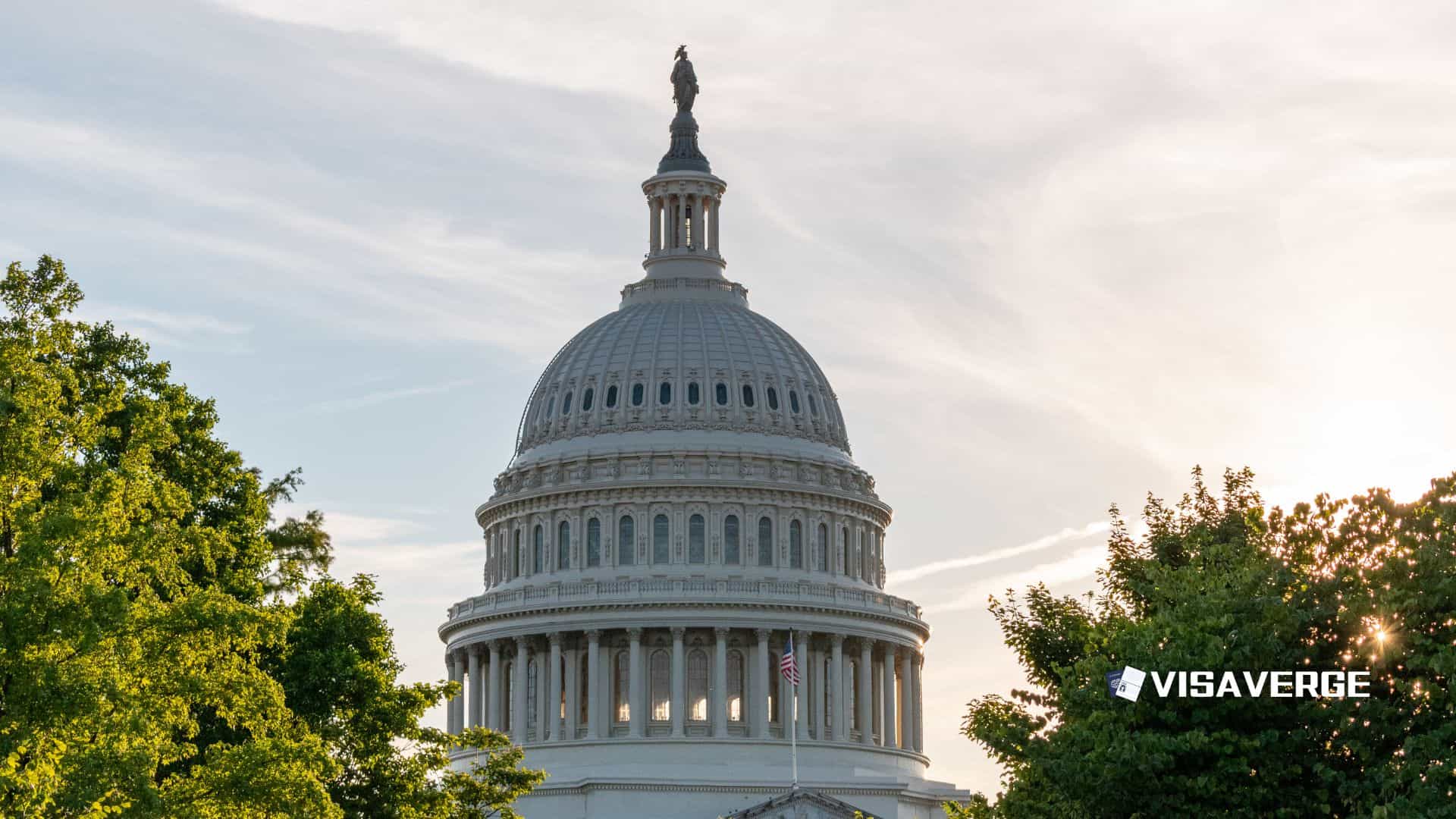
DOJ Moves to Distance Itself From Stephen Miller’s Immigration Plan

Recent reports confirm that the DOJ is working to separate itself from the most controversial parts of Stephen Miller’s immigration plan, especially those calling for mass arrests and detentions of undocumented immigrants. This move follows public statements and internal memos showing discomfort with the White House’s goal of arresting over 3,000 immigrants per day—a number strongly supported by Miller and his allies. The DOJ’s actions come amid growing legal and logistical concerns, as well as pushback from career officials and some State and local law enforcement agencies.

What the Immigration Plan Proposes

The White House, heavily influenced by Stephen Miller and the architects of Project 2025, has pushed for a sharp increase in immigration enforcement. The plan includes:

  • Daily arrest quotas: Aiming for at least 3,000 arrests per day.
  • Expanded detention capacity: Project 2025’s “Mandate for Leadership” calls for Immigration and Customs Enforcement (ICE) to increase its detention beds to 100,000, nearly doubling the 2019 capacity.
  • Looser detention standards: The plan suggests relaxing rules for detention centers and speeding up deportations.
  • Agency restructuring: Proposals include abolishing the Department of Homeland Security (DHS) and moving immigration functions under a new agency, with the DOJ taking on a larger role.
  • Use of National Guard and local police: The plan would deputize these groups for immigration enforcement.
  • Large-scale detention camps: Construction of tent camps near the border is proposed.
  • Federal funding pressure: States and cities could lose federal funds if they do not comply with data-sharing and enforcement demands.

Stakeholder Reactions and Statements

Stephen Miller, known for his hardline stance on immigration during President Trump’s administration, remains the main force behind these proposals. While DOJ leaders have not publicly rejected the White House’s goals, they have shown reluctance to fully support Miller’s mass arrest and detention strategies. They cite legal, ethical, and resource limits as reasons for their hesitation.

State and local law enforcement agencies, especially in states that tend to oppose strict immigration enforcement, have resisted federal efforts to deputize officers and demand data sharing. Civil rights groups and immigration advocates have strongly criticized the proposed policies, calling them unconstitutional and warning of possible humanitarian crises.

Implications for Immigrants and Communities

If Stephen Miller’s immigration plan moves forward, it would mean a huge increase in immigration raids, detentions, and deportations. Millions of undocumented immigrants and their families could be affected. The daily arrest quota would require massive coordination, funding, and expansion of detention facilities, likely stretching federal and local resources to their limits.

The DOJ’s decision to distance itself may slow down or complicate the plan’s rollout. Internal disagreements could lead to legal challenges or resistance within the government. The threat to withhold Federal Emergency Management Agency (FEMA) disaster relief from states and cities that do not comply could also raise tensions and disrupt emergency responses.

📝 Note
If you or someone you know may be impacted by new immigration enforcement measures, consider reaching out to local legal aid organizations for guidance and support.

How the Plan Would Work

The White House directive, shaped by Miller, calls for ICE and other agencies to:

  • Increase daily arrests, focusing on people with criminal records or prior deportation orders.
  • Expand detention facilities, including rapid construction of tent camps.
  • Shift DOJ attorneys’ focus to prosecuting immigration offenses.
  • Redirect Homeland Security Investigations resources to support mass enforcement.
  • Require states and cities to share databases, such as driver’s license records, with federal immigration authorities.
  • Use National Guard units for enforcement, despite legal and logistical challenges.

Expert Opinions and Multiple Perspectives

Immigration experts warn that the scale of the plan is unprecedented and likely impossible without major new funding and changes to the law. Critics argue that the plan would violate constitutional rights, break up families, and overwhelm the immigration court system. Supporters, however, say that strong enforcement is needed to restore order at the border and discourage unauthorized migration.

The DOJ’s reluctance is seen by some as a sign of resistance to using law enforcement for political purposes. Others view it as bureaucratic obstruction. As reported by VisaVerge.com, these divisions highlight the complex balance between enforcing immigration laws and protecting civil rights.

Background and Historical Context

Stephen Miller’s influence on immigration policy goes back to President Trump’s time in office. He was behind policies like family separation, the “Remain in Mexico” program, and efforts to end Deferred Action for Childhood Arrivals (DACA). Project 2025, led by the Heritage Foundation and other conservative groups, aims to make these hardline policies permanent in future administrations, with Miller playing a leading role.

The current push for mass deportations and expanded enforcement builds on these earlier efforts but goes much further in both size and ambition.

What’s Next?

The DOJ’s move to distance itself could signal upcoming legal battles, congressional investigations, or more internal disagreements if the White House keeps pushing for quick action. Immigration advocates and civil rights groups are preparing lawsuits and public campaigns to fight the plan. Congressional decisions on funding and oversight will be key, as Project 2025’s proposals need large budget increases and changes to existing laws.

The outcome of the 2025 political cycle, including possible changes in Congress or the White House, will play a big role in deciding the future of Stephen Miller’s immigration plan.

Practical Guidance and Resources

For those affected or interested in official updates, the Department of Justice provides current information and policy documents on its official website. Other useful resources include the Department of Homeland Security and U.S. Immigration and Customs Enforcement.

What Immigrants and Communities Can Do

  • Stay informed: Follow updates from official government sources and trusted immigration news outlets.
  • Know your rights: Many civil rights groups offer free resources and legal hotlines for immigrants.
  • Seek legal help: If you or a loved one may be affected, consult an immigration attorney or a recognized nonprofit organization.
  • Engage with local leaders: Community groups and local officials can sometimes provide support or guidance during policy changes.

Conclusion

As of August 4, 2025, the Department of Justice is actively stepping back from Stephen Miller’s immigration plan, showing deep divisions within the United States 🇺🇸 government over how to handle mass deportation and detention. The situation remains uncertain, with major legal, political, and humanitarian effects for millions of people. The coming months will be critical in shaping the direction of U.S. immigration policy and the lives of those it touches.

VisaVerge.com
Learn Today

Department of Justice (DOJ) → U.S. federal agency enforcing laws, overseeing prosecutions, and involved in immigration policy implementation.
Stephen Miller → Senior White House adviser behind hardline immigration policies advocating strict enforcement and mass deportations.
Immigration and Customs Enforcement (ICE) → Federal agency responsible for immigration enforcement, including arrests, detentions, and deportations.
Project 2025 → Conservative initiative aiming to transform U.S. immigration enforcement with expanded detentions and stricter policies.
National Guard → Military reserve force proposed to assist local law enforcement in immigration enforcement tasks.

This Article in a Nutshell

“
The DOJ is distancing itself from Stephen Miller’s aggressive immigration plan seeking mass arrests and detentions. Legal, ethical, and logistical issues provoke resistance from local agencies and civil rights groups, potentially slowing the plan’s implementation amid a divided government. Millions of immigrants face uncertainty in this evolving policy dispute.
— By VisaVerge.com
Share This Article
Facebook Pinterest Whatsapp Whatsapp Reddit Email Copy Link Print
What do you think?
Happy0
Sad0
Angry0
Embarrass0
Surprise0
Oliver Mercer
ByOliver Mercer
Chief Analyst
Follow:
As the Chief Editor at VisaVerge.com, Oliver Mercer is instrumental in steering the website's focus on immigration, visa, and travel news. His role encompasses curating and editing content, guiding a team of writers, and ensuring factual accuracy and relevance in every article. Under Oliver's leadership, VisaVerge.com has become a go-to source for clear, comprehensive, and up-to-date information, helping readers navigate the complexities of global immigration and travel with confidence and ease.
Subscribe
Login
Notify of
guest

guest

0 Comments
Inline Feedbacks
View all comments
H-1B Workforce Analysis Widget | VisaVerge
Data Analysis
U.S. Workforce Breakdown
0.44%
of U.S. jobs are H-1B

They're Taking Our Jobs?

Federal data reveals H-1B workers hold less than half a percent of American jobs. See the full breakdown.

164M Jobs 730K H-1B 91% Citizens
Read Analysis
H-1B Wage Reform: Weighted Selection Rules End Entry-Level Lottery
H1B

H-1B Wage Reform: Weighted Selection Rules End Entry-Level Lottery

2026 Child Tax Credit Rules: Eligibility, Amounts, and Claims
Taxes

2026 Child Tax Credit Rules: Eligibility, Amounts, and Claims

2026 HSA Contribution Limits: Self-Only ,400, Family ,750
Taxes

2026 HSA Contribution Limits: Self-Only $4,400, Family $8,750

February 2026 Visa Bulletin Predictions: Complete Analysis and Forecast
Guides

February 2026 Visa Bulletin Predictions: Complete Analysis and Forecast

Canada Expands Visa-Free Entry to 13 Countries with eTA Policy
Canada

Canada Expands Visa-Free Entry to 13 Countries with eTA Policy

California 2026 Income Tax Rates and Bracket Structure Explained
Taxes

California 2026 Income Tax Rates and Bracket Structure Explained

ICE Leads Minnesota’s ‘Largest Immigration Operation Ever’ in Minneapolis
Immigration

ICE Leads Minnesota’s ‘Largest Immigration Operation Ever’ in Minneapolis

New Jersey 2025 State Income Tax: Rates, Thresholds, and Immigration
Taxes

New Jersey 2025 State Income Tax: Rates, Thresholds, and Immigration

Year-End Financial Planning Widgets | VisaVerge
Tax Strategy Tool
Backdoor Roth IRA Calculator

High Earner? Use the Backdoor Strategy

Income too high for direct Roth contributions? Calculate your backdoor Roth IRA conversion and maximize tax-free retirement growth.

Contribute before Dec 31 for 2025 tax year
Calculate Now
Retirement Planning
Roth IRA Calculator

Plan Your Tax-Free Retirement

See how your Roth IRA contributions can grow tax-free over time and estimate your retirement savings.

  • 2025 contribution limits: $7,000 ($8,000 if 50+)
  • Tax-free qualified withdrawals
  • No required minimum distributions
Estimate Growth
For Immigrants & Expats
Global 401(k) Calculator

Compare US & International Retirement Systems

Working in the US on a visa? Compare your 401(k) savings with retirement systems in your home country.

India UK Canada Australia Germany +More
Compare Systems

You Might Also Like

Over 400 Bangladeshi and Rohingya Immigrants Detained in Odisha
Immigration

Over 400 Bangladeshi and Rohingya Immigrants Detained in Odisha

By Robert Pyne
JetBlue Eyes Legal Action Against Portugal Over Lisbon Airport Access Denial
Airlines

JetBlue Eyes Legal Action Against Portugal Over Lisbon Airport Access Denial

By Robert Pyne
CGRS Immigration Judge Dashboard offers new view into asylum decisions
Immigration

CGRS Immigration Judge Dashboard offers new view into asylum decisions

By Jim Grey
Fingerprints Don’t Lie: Pakistani Arrested 27 Years After Removal Order
Immigration

Fingerprints Don’t Lie: Pakistani Arrested 27 Years After Removal Order

By Robert Pyne
Show More
Official VisaVerge Logo Official VisaVerge Logo
Facebook Twitter Youtube Rss Instagram Android

About US


At VisaVerge, we understand that the journey of immigration and travel is more than just a process; it’s a deeply personal experience that shapes futures and fulfills dreams. Our mission is to demystify the intricacies of immigration laws, visa procedures, and travel information, making them accessible and understandable for everyone.

Trending
  • Canada
  • F1Visa
  • Guides
  • Legal
  • NRI
  • Questions
  • Situations
  • USCIS
Useful Links
  • History
  • USA 2026 Federal Holidays
  • UK Bank Holidays 2026
  • LinkInBio
  • My Saves
  • Resources Hub
  • Contact USCIS
web-app-manifest-512x512 web-app-manifest-512x512

2026 © VisaVerge. All Rights Reserved.

2026 All Rights Reserved by Marne Media LLP
  • About US
  • Community Guidelines
  • Contact US
  • Cookie Policy
  • Disclaimer
  • Ethics Statement
  • Privacy Policy
  • Terms and Conditions
wpDiscuz
Welcome Back!

Sign in to your account

Username or Email Address
Password

Lost your password?