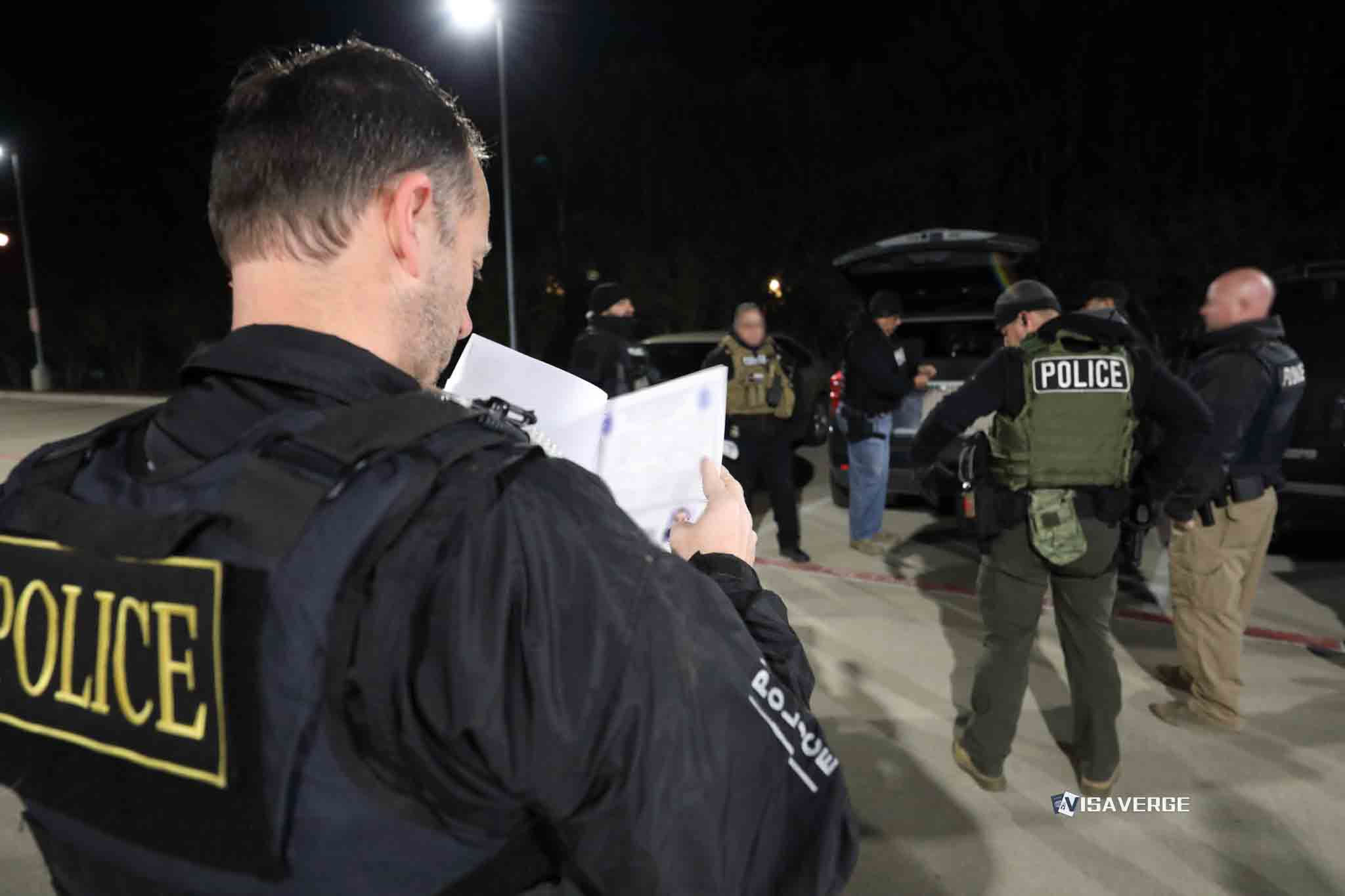
(SAN FRANCISCO, CALIFORNIA) — San Francisco clinicians and local officials accused federal immigration authorities of turning hospital emergency rooms into “detention zones” after a policy shift that ended protections for so-called sensitive locations, with Zuckerberg San Francisco General Hospital (ZSFG) emerging as the most-cited flashpoint.
Doctors and nurses described a pattern in which ICE agents appear inside ER workflows in ways they say frighten patients, disrupt treatment, and blur the line between healthcare and enforcement in a city with a large immigrant population.
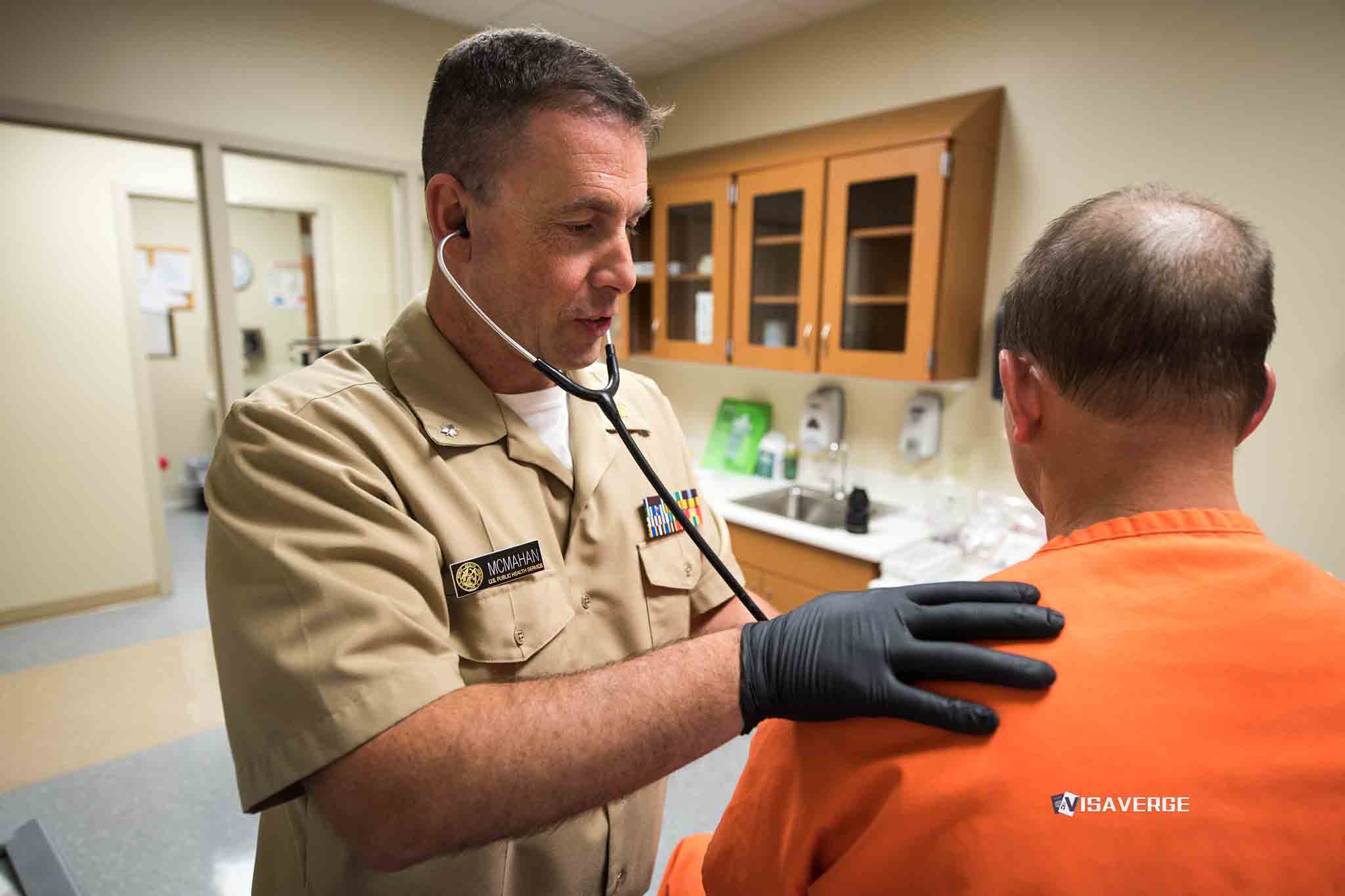
ZSFG, a public safety-net facility, sits at the center of the dispute because it serves patients who may lack stable insurance, legal status, or primary care, clinicians said, and because emergency departments cannot legally turn patients away based on ability to pay.
The clash intensified after a DHS directive in January 2025 revoked long-standing “sensitive locations” protections that had generally constrained enforcement actions at places including schools, places of worship, and medical facilities, according to the policy details described by clinicians and local officials.
That guidance had dated back to 2011 and functioned as a set of limits meant to reduce enforcement activity in settings where officials previously acknowledged heightened public-interest concerns, including medical settings where people seek urgent care.
With those limits rescinded, San Francisco clinicians said they now confront immigration enforcement activity at moments when patients arrive in crisis, when seconds matter and medical teams need space to triage, assess, and treat without intimidation.
DHS officials, for their part, framed immigration enforcement as a public-safety measure and disputed claims that ICE operations interfere with patient care, drawing a sharp divide between the stated purpose of enforcement and what clinicians say they see in practice.
On January 2, 2026, DHS Assistant Secretary Tricia McLaughlin praised ICE operations in a statement that said, “ICE law enforcement secures our streets every single day. They rang in the New Year with the removal of more disgusting monsters including pedophiles, murderers, and fraudsters from American neighborhoods. Thanks to our brave law enforcement officers, American families have safer communities in 2026.”
As hospitals and advocates criticized the presence of ICE agents in and around treatment areas, McLaughlin also issued a categorical denial months earlier. On September 16, 2025, she said, “ICE does not conduct enforcement operations at hospitals nor interfere with medical care of any illegal alien. It is a longstanding practice to provide comprehensive medical care from the moment an alien enters ICE custody.”
McLaughlin repeated that theme when detainee healthcare became the subject of litigation. On February 11, 2026, commenting on a federal judge’s order to provide “constitutionally adequate healthcare” to detainees in California, she called the order “.unnecessary and superfluous given DHS’s medical policy goes above and beyond. Ensuring the safety, security, and well-being of individuals in our custody is a top priority at ICE.”
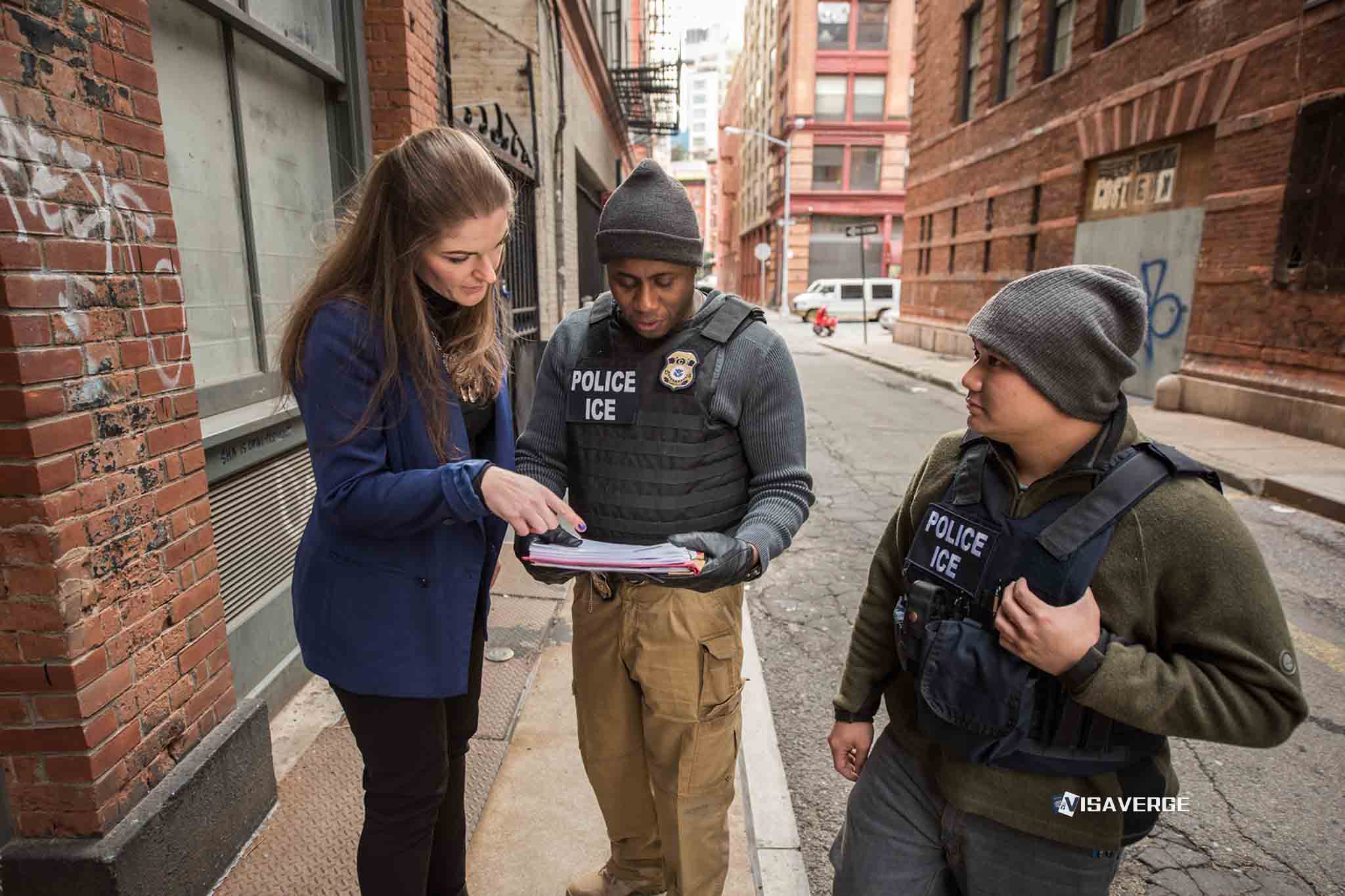
Clinicians at ZSFG offered a different account of day-to-day conditions inside emergency care. They said ICE agents now arrive with detained patients at triage and “linger at bedsides” during treatment, creating what doctors characterized as a detention-like atmosphere in spaces designed for care.
Some staff members described incidents in which agents conducted arrests on hospital grounds or blocked medical staff from immediately attending to patients, raising fears about delays in evaluation and treatment when patients arrive in distress.
Nurses also reported “hostile encounters” in which masked, armed agents refused to show identification and blocked medical assessments, deepening distrust among staff who say they need clarity on who is present in clinical areas and why.
Doctors argued that the perceived enforcement presence inside private treatment bays erodes privacy protections that undergird medical care, making it harder to maintain confidentiality or obtain informed consent without what they described as a chilling effect.
Theresa Cheng, a doctor affiliated with UCSF/ZSFG, described a broader consequence beyond the immediate encounter in the ER. Cheng said patients are arriving “sicker and later” because they fear that visiting the emergency room will lead to detention.
Hospital administrators and clinicians also pointed to money and medical logistics as pressures that compound the confrontation in emergency departments. On October 3, 2025, ICE reportedly stopped processing third-party medical claims for detainee care, leaving safety-net hospitals with millions in unpaid bills.
Clinicians said that payment disruptions can affect how hospitals plan follow-up treatment and continuity of care for patients in custody, especially when patients need repeat visits, specialty consults, or longer stays that strain public systems already operating under tight margins.
The scrutiny has sharpened amid a record death toll in federal custody. In 2025, 32 people died in ICE custody, the highest number in decades, according to the key facts cited by clinicians and local officials.
Many of those deaths occurred after detainees were transferred to hospitals from overcrowded or medically underserved detention centers, clinicians said, a pattern that has fueled concerns about whether people in custody reach care quickly and whether treatment proceeds without delay.
DHS, meanwhile, has cited its detention medical policies in public statements while critics have argued that newer detention-related directives add pressure to the same medical settings now reporting more frequent enforcement presence.
On February 19, 2026, a DHS memo issued by USCIS Director Joseph Edlow and Acting ICE Director Todd Lyons authorized the detention of refugees who had not secured green cards after one year, expanding the pool of individuals subject to enforcement actions that clinicians say they increasingly encounter in ERs.
Local and state leaders responded with a mix of restrictions, funding, and proposed protocols aimed at limiting enforcement activity on public property and clarifying when and how agents may access non-public patient areas.
On February 25, 2026, the San Francisco Board of Supervisors unanimously passed the “ICE-Free Zones” ordinance, authored by Supervisors Bilal Mahmood and Chyanne Chen, that prohibits federal immigration operations on city property that disrupt city services.
Chen framed the measure as a direct response to what she and other supporters described as harassment in public spaces. “We will not stand for ICE to use our public properties to aid their harassment or terrorization of San Franciscans,” Chen said.
Supporters of the ordinance cast it as a service-protection rule for city sites, including healthcare facilities, while critics have tied the debate to larger questions about federal authority and the practical limits of local power when federal agents operate in public settings.
California officials also moved to bolster support systems for families who avoid government-linked spaces amid enforcement fears. On February 20, 2026, Governor Gavin Newsom announced $35 million in humanitarian funding to support legal representation and basic needs for immigrant families, specifically noting that families are “foregoing critical medical care” due to fear.
Newsom’s statement connected the enforcement climate to a public-health concern: that deterrence from emergency care can worsen outcomes, raise the risk of complications, and shift patients toward crisis treatment rather than earlier intervention.
At the state level, Senate Bill 81 would require California healthcare entities to establish strict protocols for immigration enforcement, including requiring judicial warrants for access to non-public patient areas, reflecting the central dispute clinicians described over who can enter treatment spaces and under what authority.
Clinicians and local officials said warrant protocols matter in hospitals because emergency departments include public-facing areas, like waiting rooms, and non-public zones, like treatment bays and corridors used to move patients, where privacy expectations are higher.
In San Francisco’s debate, ZSFG served as the symbol and the test case, according to clinicians who said it sees patients whose immigration concerns and economic vulnerability make them more likely to delay care when enforcement is visible.
Doctors said the deterrent effect shows up in subtle ways: missed appointments that become emergency crises, patients who arrive later in the course of illness, and families who avoid hospitals until symptoms become severe.
Clinical staff also described friction points during treatment when agents seek to maintain custody while medical teams prioritize patient stabilization, a tension clinicians said can flare during triage, imaging, and bedside conversations about symptoms and consent.
Those staff accounts describe a hospital environment where the presence of armed, masked enforcement officers near care areas alters how patients answer questions, whether they disclose details that could guide diagnosis, and whether family members remain present to provide crucial medical history.
Federal officials have directed the public to agency information through government channels, including the DHS Newsroom and the ICE Newsroom, while state and local leaders have posted information through the Office of Governor Gavin Newsom and the San Francisco Board of Supervisors.
Clinicians say the stakes now extend beyond a single hospital, because emergency rooms across the city share patients, staffing networks, and referral pathways, and because fear in one facility can ripple across an entire local healthcare system.
The result, doctors and local officials argued, is a widening conflict between the practical needs of emergency medicine and an enforcement posture they say has grown more visible since the end of sensitive locations guidance, even as DHS maintains that ICE does not interfere with medical care.
“We will not stand for ICE to use our public properties to aid their harassment or terrorization of San Franciscans,” Chen said.
Doctors Say ICE Agents Treat Zuckerberg San Francisco General as Detention Zone
Clinicians in San Francisco are sounding the alarm as ICE agents increasingly enter emergency rooms following the removal of ‘sensitive location’ protections. This shift has led to reports of disrupted medical treatments and patients avoiding hospitals out of fear. While DHS defends its operations as public safety measures, local leaders have responded with new ordinances and funding to protect immigrant families and maintain the integrity of healthcare spaces.