- The Department of Homeland Security confirmed no ICE presence will be at 2026 midterm polling locations.
- Officials cite the Protected Areas policy which restricts enforcement at essential community sites like voting centers.
- Federal law generally prohibits armed federal agents at election sites except to repel armed enemies.
(UNITED STATES) — The Department of Homeland Security told state and local election officials that federal immigration agents will not be stationed at midterm polling places in 2026, seeking to calm fears that immigration enforcement could intimidate voters or disrupt election administration.
Heather Honey, DHS Deputy Assistant Secretary for Election Integrity, delivered the assurance during a virtual briefing with secretaries of state and other federal agencies, including the FBI and DOJ, according to Arizona Secretary of State Adrian Fontes and Kentucky Secretary of State Michael Adams. “Any suggestion that ICE will be present at any polling location is simply not true. There will be no ICE presence at polling locations for this election.”
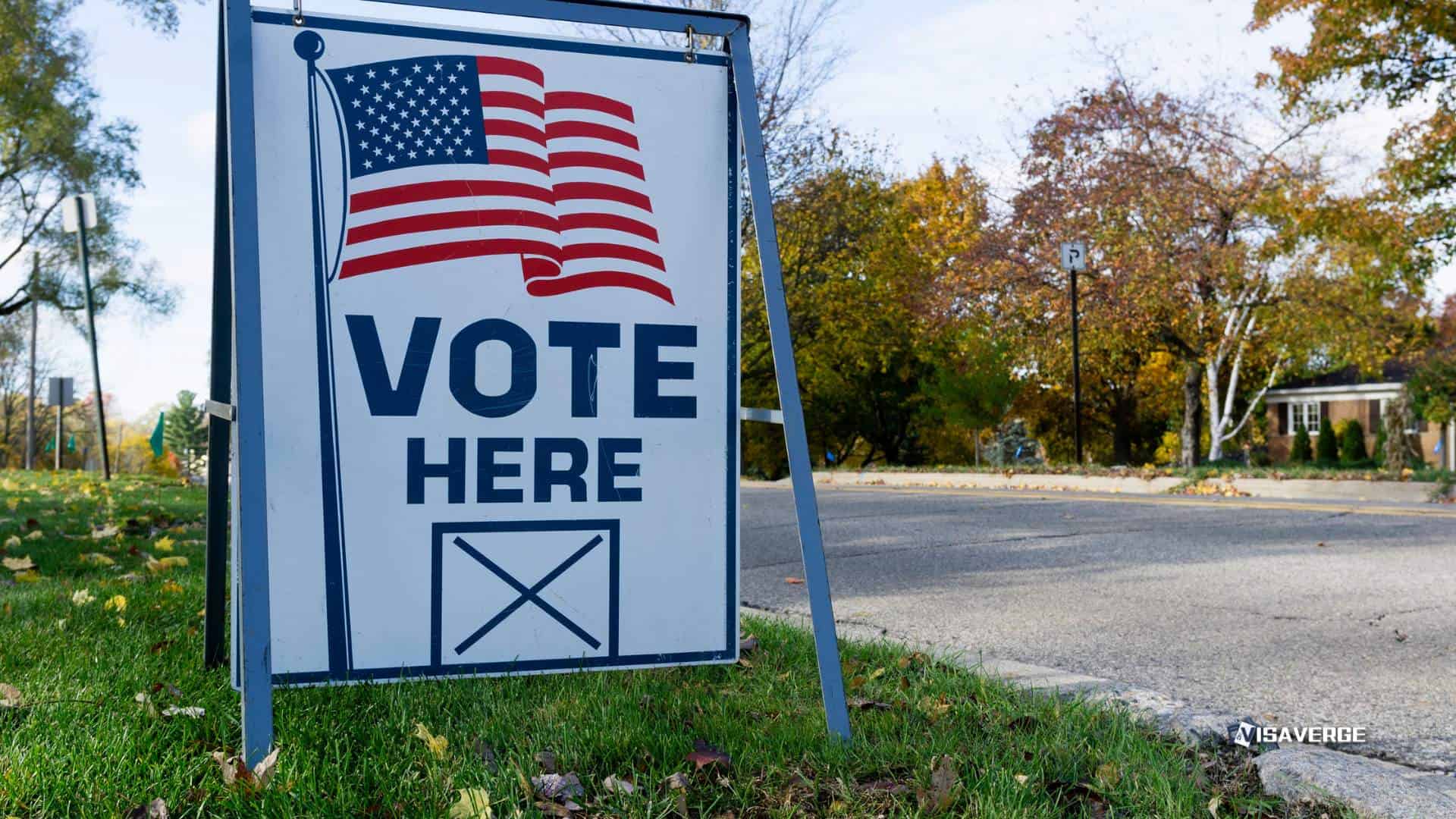
A DHS spokesperson reinforced that position in a February 26, 2026 response to media inquiries, drawing a line between routine election-site activity and enforcement elsewhere. “ICE is not planning operations targeting polling locations. ICE conducts intelligence-driven targeted enforcement, and if an active public safety threat endangered a polling location, they [individuals] may be arrested as a result of that targeted enforcement action.”
The assurance does not end immigration enforcement operations under existing authorities away from election sites, and DHS framed the stance as a posture for polling locations rather than a broader pause. Election administrators have pressed for clarity as they plan security, staffing, and messaging for voters who may worry about any federal law enforcement presence at the polls.
Questions from states intensified in a political climate that included heightened immigration enforcement operations and public rhetoric about policing elections. The 2026 midterm cycle has seen a surge in high-visibility immigration enforcement operations in cities like Minneapolis, and voting rights groups raised concerns that such activity could spill into election administration.
Allies of the administration had previously suggested on public platforms that ICE should “surround the polls” to prevent alleged noncitizen voting. Those comments prompted formal inquiries from Democratic senators and secretaries of state, adding pressure on DHS to define what federal immigration agents would and would not do at voting sites.
Honey’s role also drew scrutiny from election officials because her appointment was initially met with skepticism by some state officials due to her previous ties to election-denial groups. Fontes and Adams described her promise as the administration’s most definitive statement to date on whether immigration agents would appear at polling sites.
The sequencing of DHS and immigration leadership statements spanned multiple public touchpoints in February. On February 12, 2026, Todd Lyons, Acting Head of ICE, and Rodney Scott, CBP Commissioner, testified before the Senate Homeland Security Committee and faced questions about whether they would deploy agents to polling places if ordered.
Lyons answered directly, according to CBS News reporting on the congressional testimony. “There’s no reason for us to deploy, ma’am.”
DHS election-integrity leadership later communicated the no-polling-place posture to election officials in the February 25, 2026 briefing, and the stance was echoed the next day in the DHS spokesperson’s statement describing ICE’s posture as avoiding operations that target polling locations. Taken together, the chain of statements aimed to reassure states that even if asked, senior immigration leadership did not see a basis for deploying personnel to midterm polling places.
DHS anchored its position in the department’s “Protected Areas” policy, formerly known as “Sensitive Locations,” which generally restricts immigration enforcement actions in places essential to community life, including polling places. The policy also covers locations such as schools and medical facilities, and it has long served as an operational guide for avoiding enforcement activity that could deter people from using community services.
Federal law adds another constraint at election sites. Under 18 U.S.C. § 592, federal law prohibits the deployment of “troops or armed men” at any place where a general or special election is held, unless necessary to “repel armed enemies of the United States.”
State officials also pointed to the basic division of authority in election administration. Under the U.S. Constitution, states—not the federal government—have the primary authority to administer and secure elections, and state election officials reiterated during the February briefing that federal law enforcement has no routine role at the polls.
In practice, those guardrails shape how election officials and federal agencies coordinate around Election Day operations. State and local administrators run polling places, plan de-escalation steps, and train workers to respond to voter concerns, while avoiding conditions that could deter eligible voters from showing up.
The perceived risk of immigration enforcement near midterm polling places has a particular effect on naturalized citizens and voters from mixed-status households, where one family member’s immigration status can influence whether others feel safe participating. Election officials and advocates have warned that even a rumor of federal immigration agents near voting sites could deter eligible voters and lead to confusion for poll workers managing long lines and routine disputes.
Mixed-status households can feel those pressures acutely, because family members and neighbors may interpret enforcement activity—real or rumored—as a reason to avoid public spaces. DHS framed its assurance as a way to reduce a “chilling effect” and bolster voter confidence, while keeping enforcement focused on “intelligence-driven targeted enforcement” and what the department described as “active public safety threat” scenarios.
Local election offices said clearer federal guidance helps them plan operations without preparing for an additional layer of law enforcement presence that they do not control. Administrators have also sought consistent language they can share with poll workers and the public, especially when misinformation about election procedures and eligibility can travel quickly online.
DHS directs the public to its DHS Newsroom for election-related statements and releases, and immigration updates that affect communities often appear in the USCIS Newsroom. DHS and USCIS also periodically publish broader policy updates and summaries, including the U.S. Citizenship and Immigration Services – 2025 Year in Review, which provides context on agency activity and public communications.
Election officials said they expect guidance to be reiterated closer to Election Day through state election offices and federal statements, as administrators continue to plan security and voter communications. For now, DHS’s election-integrity chief told states that ICE would not be at polling places, and the message was reinforced by the department’s spokesperson: “ICE is not planning operations targeting polling locations.”