- DHS Secretary Kristi Noem ordered immediate body-worn camera deployment for all field officers in Minneapolis.
- The move follows two fatal shootings of U.S. citizens involving federal agents in January 2026.
- Nationwide expansion of the program depends on available funding according to official statements.
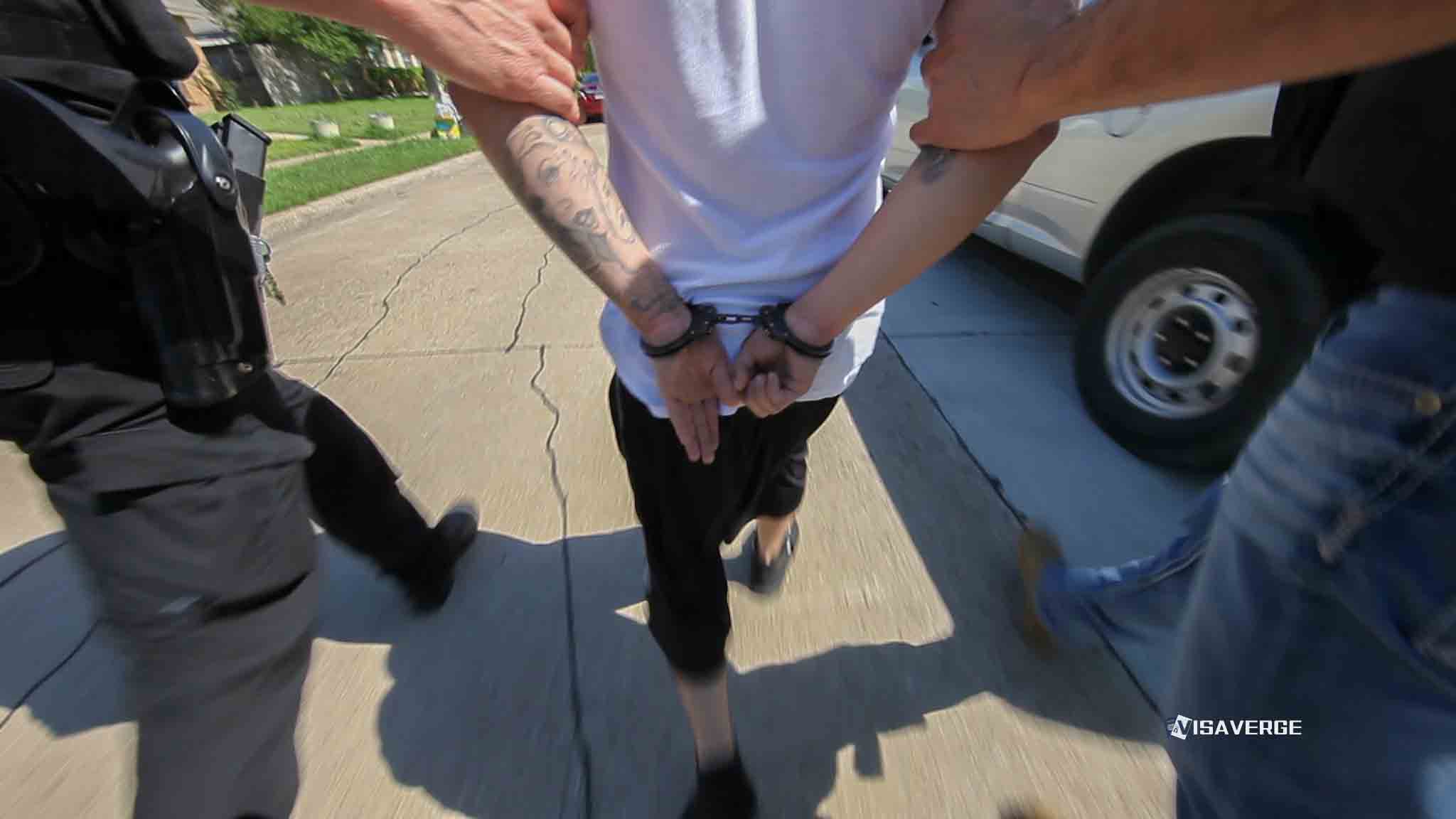
Kristi Noem ordered body-worn cameras issued immediately to every DHS law enforcement officer in the field in Minneapolis on February 2, 2026, including personnel from Immigration and Customs Enforcement and Customs and Border Protection.
“Effective immediately, we are deploying body cameras to every officer in the field in Minneapolis. As funding is available, the body camera program will be expanded nationwide. We will rapidly acquire and deploy body cameras to DHS law enforcement across the country. The most transparent administration in American history—thank you, @POTUS Trump. Make America Safe Again,” Noem wrote on X.
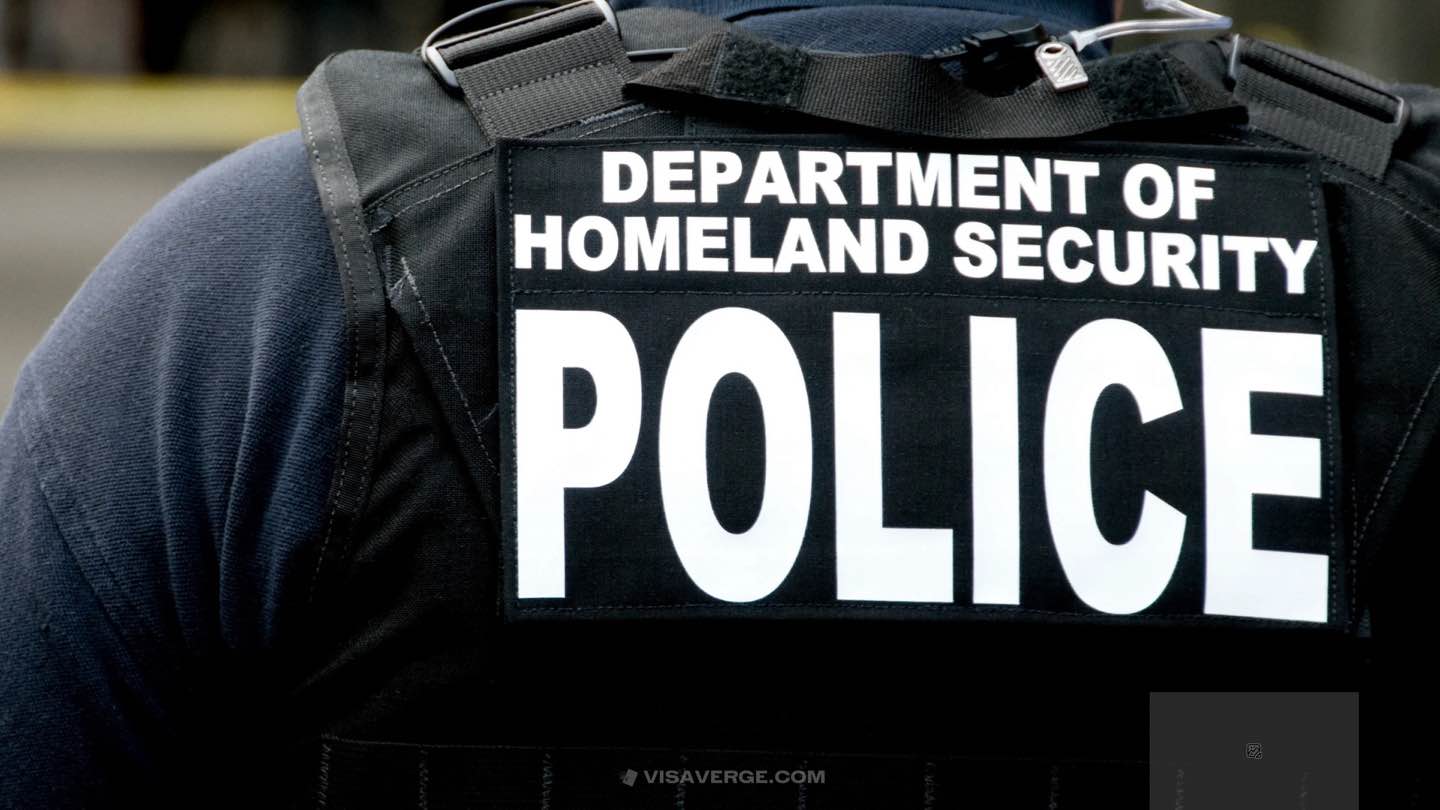
Kristi Noem said she made the decision after speaking with Border Czar Tom Homan, acting ICE Director Todd Lyons and CBP Commissioner Rodney Scott.
The announcement came amid scrutiny of two fatal shootings in Minneapolis involving federal immigration enforcement personnel, including a case that drew a federal civil rights investigation.
Alex Pretti, a 37-year-old ICU nurse and U.S. citizen, died after federal agents shot him on January 24, 2026, at the intersection of 26th Street and Nicollet Avenue. The Hennepin County Medical Examiner ruled his death a homicide due to multiple gunshot wounds.
Border Patrol Agent Jesus Ochoa and CBP Officer Raymundo Gutierrez fired shots in the Pretti incident, ProPublica reported, citing government records. CBP also confirmed that two agents fired.
Deputy Attorney General Todd Blanche confirmed a DOJ civil rights investigation into Pretti’s shooting on January 30, 2026. That federal review runs alongside other inquiries already underway inside DHS and CBP.
Authorities also examined a separate fatal shooting involving ICE earlier in January. Renee Good, a 37-year-old mother and U.S. citizen, died after ICE Officer Jonathan Ross shot her on January 7, 2026.
Authorities claimed self-defense with immunity in the Good case. Ross recorded the shooting on his cell phone, and bystanders captured both shootings on video.
DHS has investigated whether a federal agent accidentally discharged Pretti’s weapon after disarming him, prompting return fire, according to New York Post reports. In that reporting, Homeland Security Investigations led the inquiry with FBI support, and CBP conducted an internal review.
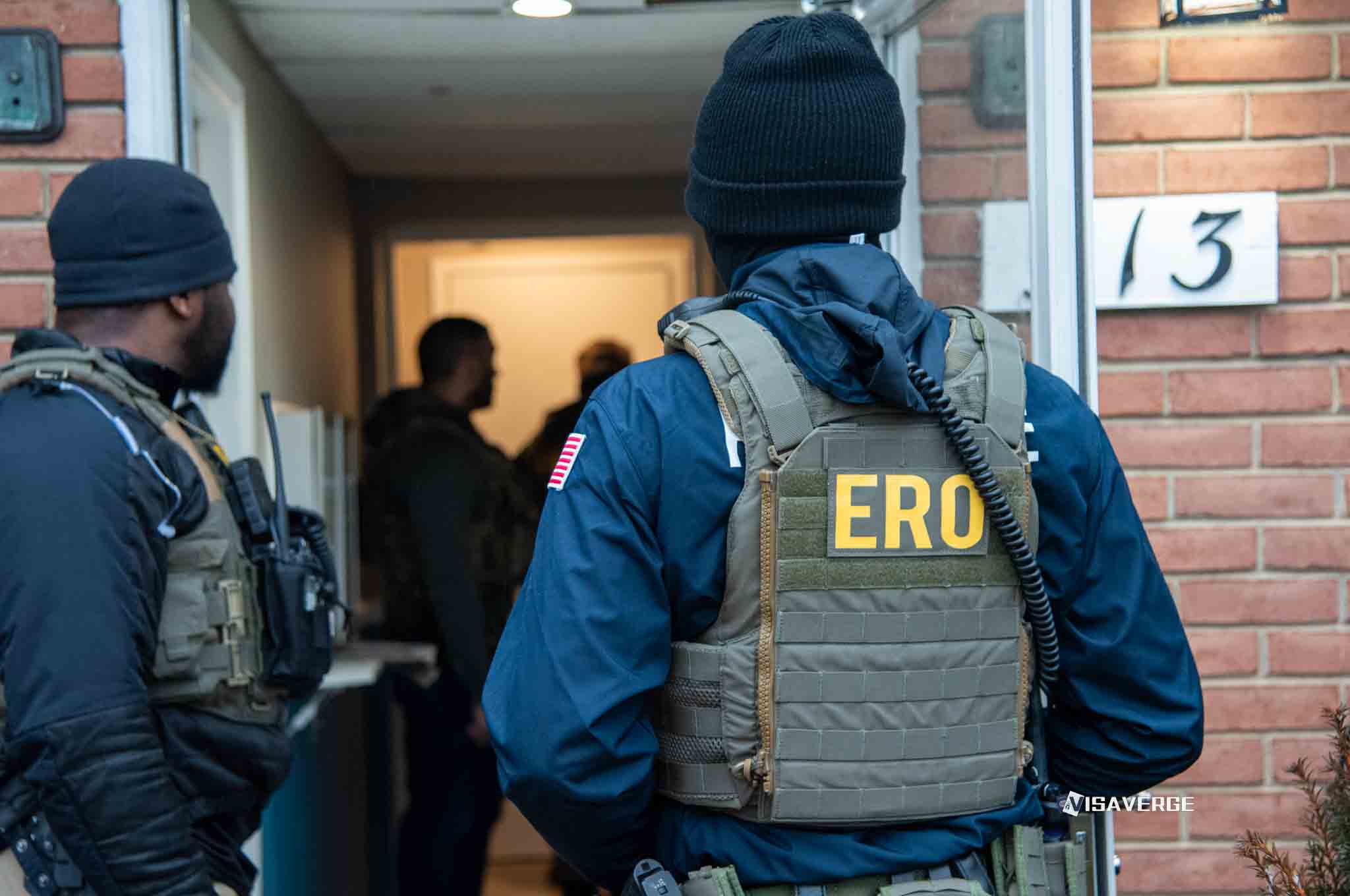
Noem’s Minneapolis rollout targets what she described as “every officer in the field,” a phrase that covers DHS law enforcement personnel working outside offices and interacting with the public. ICE and CBP officers both operate in Minneapolis in enforcement roles, and the department framed the move as immediate.
Nationwide expansion, however, hinges on money. Noem said the department will extend the body camera program “As funding is available,” and she tied the broader rollout to rapid acquisition and deployment across DHS law enforcement.
“As funding is available, the body camera program will be expanded nationwide.”
The Minneapolis deployment also followed uneven camera availability and use in recent incidents. In the Pretti shooting, some officers wore body cameras, and CNN reviewed up to 30 body-worn camera videos.
At the same time, ICE faced shortages in Minneapolis that left agents without standard-issued devices during earlier operations. A previous internal estimate put the Minneapolis need at about 2,000 devices, with 180 days required for shipping and training.
Local logistics compounded the problem. Reporting described “no local stock at St. Paul field office” under Field Office Director Samuel Olson, leaving officers to work without department-issued cameras even as public attention on enforcement actions intensified.
Those details underscore why the department’s new order matters in practice in Minneapolis. Standard equipment can preserve evidence, reduce disputes over what happened during encounters and shape public confidence, even as investigations and legal determinations continue.
The Minneapolis announcement also sits inside a shifting federal policy history on body-worn cameras. President Biden’s 2022 executive order required federal officers to wear body cameras, an effort aimed at documenting encounters and improving accountability.
President Trump rescinded that order upon starting his second term, changing the direction of federal policy at the start of the administration. The Minneapolis rollout announced Monday came not through a revived executive order, but through a department-level deployment tied to funding.
Congress had already moved in a narrower lane. Lawmakers mandated an ICE body camera pilot in 2021, a step that typically tests technology, training and policy rules before large-scale adoption.
A 2024 report projected agency-wide ICE implementation by September 2025. Still, Minneapolis faced equipment and training gaps during Operation Metro Surge, even with broader projections that pointed toward expanded use.
The DHS order in Minneapolis now lands in the middle of active investigations. Blanche’s confirmation of a DOJ civil rights investigation into Pretti’s death signals federal scrutiny that can examine whether agents violated civil rights during the encounter.
Separately, DHS and CBP have conducted their own reviews. In the reporting cited by Noem’s department, Homeland Security Investigations led an inquiry with FBI support, and CBP conducted an internal review, a parallel track that can assess conduct and policy compliance.
The existence of video in both Minneapolis shootings has already shaped public attention. Ross recorded the Good shooting on his cell phone, and bystanders captured both shootings on video, giving investigators and the public contemporaneous footage beyond formal reports.
Yet the department’s own body camera coverage remained incomplete when Pretti died. CNN’s review of up to 30 body-worn camera videos suggests extensive footage from that incident, while the earlier Minneapolis shortages point to why DHS now emphasizes issuing cameras to “every officer in the field.”
Noem’s statement on X framed the Minneapolis deployment as a model that could spread, but only if financing follows. “As funding is available, the body camera program will be expanded nationwide,” she wrote, linking the scale of the program to congressional and administrative budget decisions.
The DHS announcement does not resolve the underlying investigative questions in the two Minneapolis shootings. It also does not change the legal status of the inquiries already confirmed, including the DOJ civil rights investigation into Pretti’s death and internal reviews described by DHS-related reporting.
Still, body-worn cameras can affect what evidence exists in future encounters, particularly in fast-moving incidents where accounts can diverge. The Minneapolis order sets an expectation that DHS law enforcement officers operating in the city will now record field activity with department-issued devices.
For Minneapolis, the change arrives after two fatal shootings in less than three weeks, involving a 37-year-old ICU nurse and a 37-year-old mother, both U.S. citizens. Their deaths prompted questions about oversight, the availability of footage and how quickly federal agencies can standardize equipment across local field operations.
Noem credited the Trump administration in her public message, ending her post with: “The most transparent administration in American history—thank you, @POTUS Trump. Make America Safe Again.”