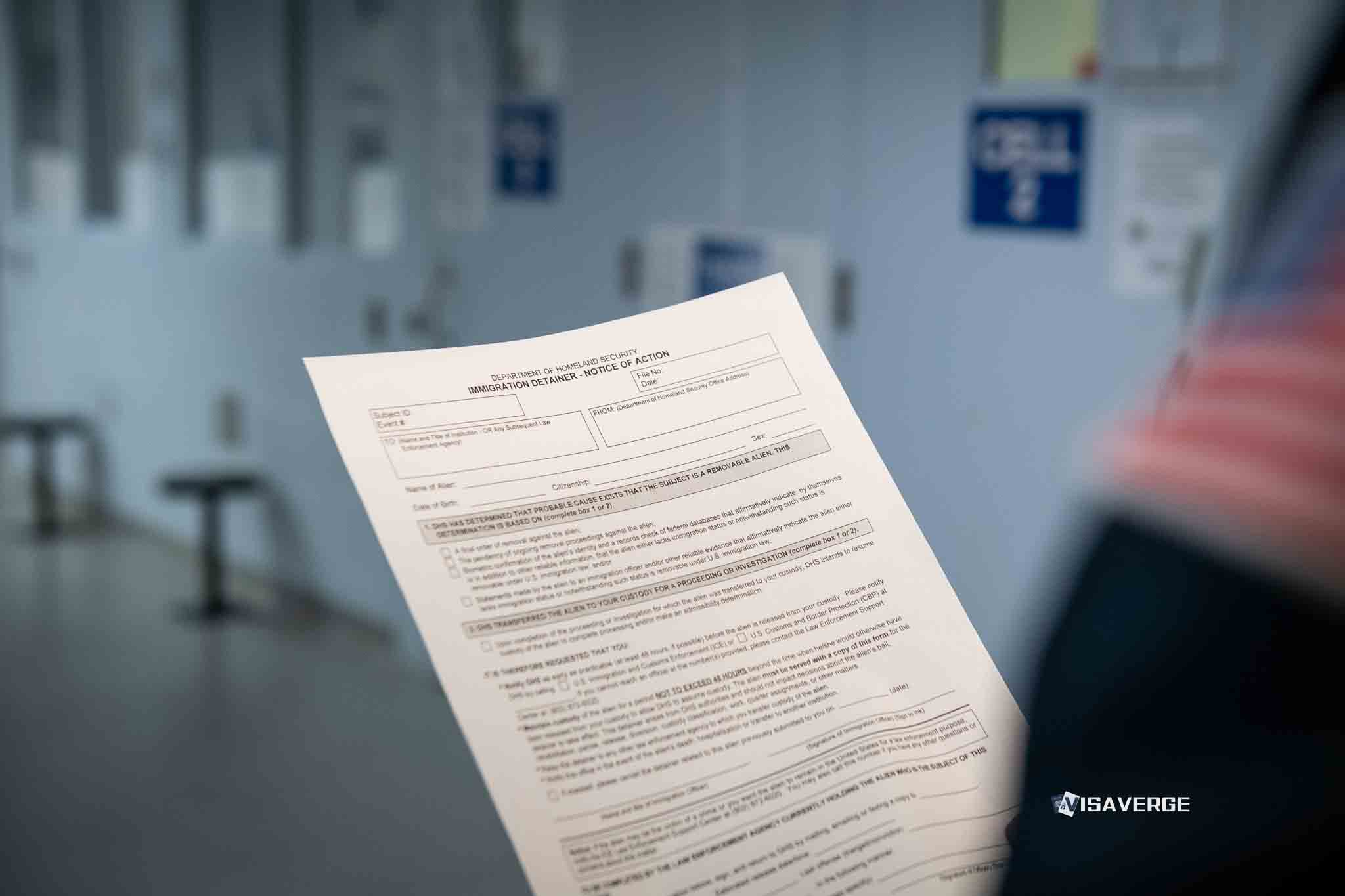
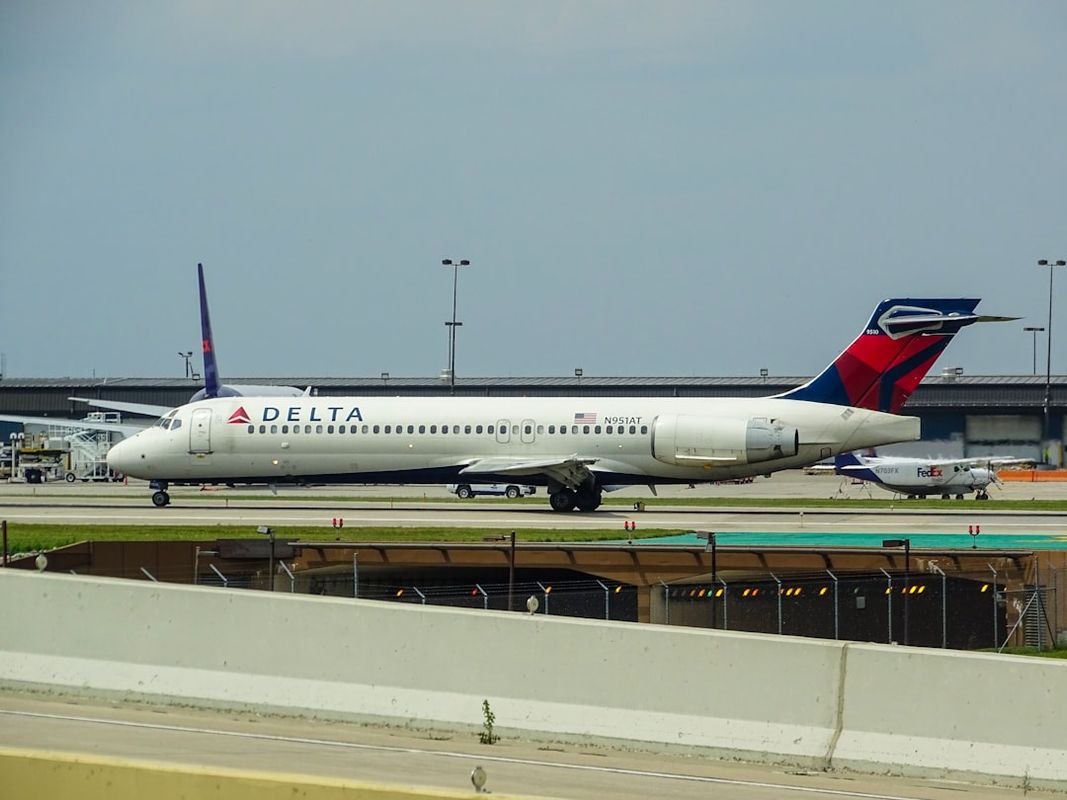
(DETROIT, MICHIGAN) Delta Air Lines passengers at Detroit Metropolitan–Wayne County Airport woke up Friday to a sudden standstill after a computer and network outage forced the carrier to halt departures from its McNamara Terminal, prompting the Federal Aviation Administration to issue a ground stop that rippled through Delta’s national schedule.
The stoppage began in the predawn hours of December 5, 2025, with local reports placing the first major disruption around 5:00 a.m. ET and the FAA action coming just before 6:00 a.m. ET. Detroit Metro airport officials said Delta “initiated a ground stop” while it worked to fix the problem — a rare step at one of the airline’s biggest hubs.
Progression of the disruption
By mid-morning, as some systems began to recover, the FAA eased the order into a ground delay around 9:00 a.m. ET, allowing limited movement but keeping many flights from leaving on time. Inside the terminal, travelers formed long lines as kiosks went dark, bag drop slowed, and gate agents could not easily rebook seats or print documents.
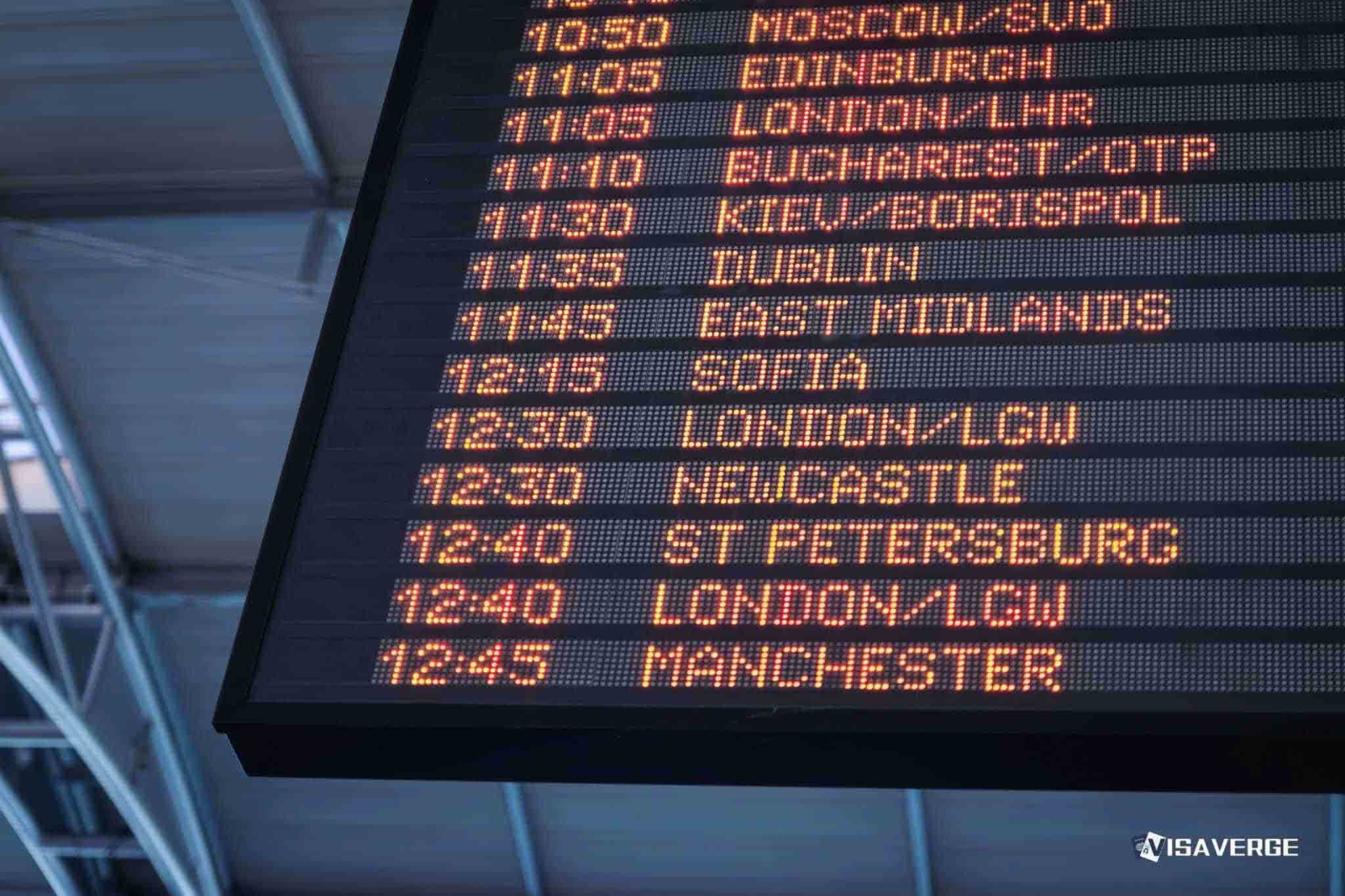
The airline’s airport advisory pages became the main source of updates for stranded customers as cancellation totals mounted and departures boards filled with delay codes. For many, Detroit was not the final destination: international passengers bound for Europe, Asia, the Middle East, and Canadian connections watched tight onward links collapse in real time, creating missed meetings, lost hotel nights, and rebooking scrambles that can be especially difficult for travelers on visas.
Cause and nationwide impact
Delta Air Lines attributed the breakdown to a “network outage,” and the scope was quickly visible beyond Detroit as aircraft and crews sat out of position across the country. Reports from Michigan outlets described hundreds of Delta flights canceled or delayed nationwide as the morning wore on — affecting even travelers who never planned to set foot in Michigan — because planes that should have rotated through Detroit were stuck.
The McNamara Terminal, built around Delta’s hub-and-spoke model, depends on fast baggage scans and instant seat inventory to move connecting passengers in minutes. When those tools fail, every later bank of departures can unravel. Detroit’s confirmation that Delta itself initiated the ground stop signaled an internal systems issue rather than weather or air traffic congestion, leaving passengers with fewer clear estimates for when check-in and boarding would fully resume.
By late morning, kiosks flickered back, bag-check resumed, and equipment restarts helped, but travelers said the hardest part was the lack of firm information: screens refreshed, then froze, and gate changes posted without warning. Delta directed customers to its advisory pages and flight-status tools while workers restarted equipment and agents tried to handwrite tags and reroute bags.
“For families with small children and older travelers who rely on printed itineraries, the outage turned routine connections into hours of standing, sitting, and waiting.”
One traveler with a same-day consulate appointment overseas said the lost hours felt like a clock erasing months of planning.
Special risks for immigrant and visa-holding travelers
For immigrant travelers, the disruption carried risks beyond a missed connection. People entering or leaving the United States on temporary visas often have tight windows tied to work start dates, school reporting days, or family events. A mass cancellation can force last-minute routing through third countries where transit visas may be required.
Lawyers who advise international students and workers say airline delays can also create paperwork problems at the border, especially when:
- A return flight slips past the end date on a visa foil
- A traveler must reroute to a different airport than the one listed on a petition or letter
In most cases, Customs and Border Protection (CBP) officers can admit a traveler if they qualify, but the traveler may need to explain the change and keep proof of the airline disruption. The key document for many noncitizens is Form I-94, the arrival-and-departure record that shows how long a person may stay. CBP provides official access at: I-94 Official Website.
According to analysis by VisaVerge.com, large hub outages like the one at Detroit can trigger a chain reaction of rebookings that leaves visa holders stranded overnight without easy access to checked bags holding documents, medication, or evidence needed for immigration appointments. At Detroit, passengers were seen guarding suitcases and file folders in line, worried that a forced overnight stay would mean missing a biometrics visit, court date, or consular interview in another city.
FAA response and operational effects
The FAA’s ground stop is a blunt tool used to prevent departures from overwhelming an airport when it cannot safely process aircraft. On Friday it was driven by digital failure rather than storms. Aviation officials shifted the order to a ground delay at about 9:00 a.m. ET, a sign that departures might resume in a metered fashion as Delta brought systems back online.
Still, passengers reported the human bottleneck lasted longer than the technical one, with staff triaging lines for:
- Rebooking
- Hotel vouchers
- Assistance for unaccompanied minors
Operational consequences included:
- Some travelers who had checked in online were told to return to the lobby because boarding passes could not be scanned at the gate.
- Others waited for luggage tags to print so bags could be loaded.
- Every late arrival threatened subsequent departures because crews can time out under federal duty rules.
Delta did not immediately provide a public estimate for full recovery at the hub. Officials urged customers to:
- Check flight status before traveling to the airport
- Watch for waiver policies that often follow irregular operations
Detroit Metro’s statement and the FAA’s change in status suggested restoration was gradual rather than instant.
Broader consequences for employers, schools, and travelers
Employers waiting on new hires can be severely impacted: many foreign workers and returning residents time trips to match start dates, port-of-entry reporting, or holiday leave. When Delta runs Detroit as a major connecting point, delays can strand people who must present original documents to human-resources teams, attend orientation, or report to training sites that do not accept remote check-ins.
Universities face similar pressure when students are trying to arrive before class. Missed flights can lead to costly rebooking or, in rare cases, questions at the border about whether a student can still meet program requirements.
Travelers also worry about losing access to checked luggage that holds passports, employment letters, or receipt notices, especially when the disruption happens after security and bags are already in the system. The outage at Detroit underscored how dependent modern travel is on scanning and data links, and how quickly a ground stop can turn into a paperwork headache for people whose status depends on dates and stamped records.
As flights began to move under the FAA’s ground delay, passengers traded screenshots, phone chargers, and tips on which customer-service lines were shortest. Many said they’d avoid international connections in December, even if it meant arriving a day early, because one computer failure at a hub can erase the margin immigrants and visa holders often do not have. That fear lingered.
A Dec. 5, 2025 network outage at Delta’s McNamara Terminal in Detroit prompted an FAA ground stop, later eased to a ground delay. Systems failures disrupted kiosks, bag checks, and boarding processes, causing hundreds of cancellations and delays nationwide. The breakdown disproportionately affected connecting travelers, especially visa holders with tight deadlines or essential documents in checked luggage. Delta advised customers to monitor its advisories while airport staff manually processed rebooking, tags, and vouchers amid gradual recovery.