(CHICAGO) As immigration agents swept through Chicago neighborhoods this fall under a federal crackdown known as Operation Midway Blitz, parents, teachers, and community advocates scrambled to keep one daily routine intact: getting children to school safely.
The stepped-up raids by U.S. Immigration and Customs Enforcement, or ICE, sent a chill through immigrant communities from Pilsen to Little Village. Families reported early-morning knocks on doors, unmarked vehicles waiting near busy intersections, and rumors of checkpoints near bus stops.
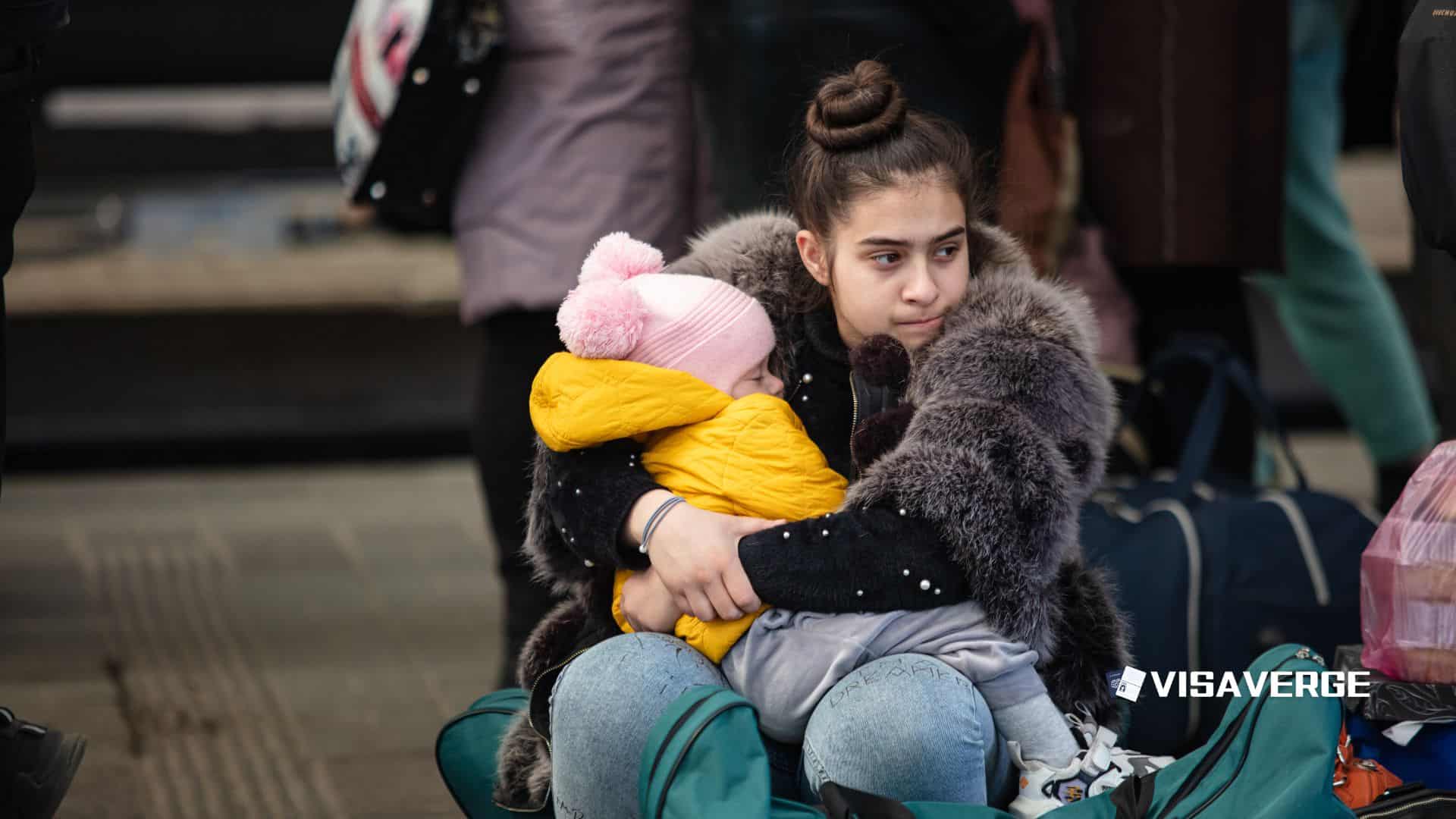
Even when those reports turned out to be false alarms, the effect was the same — many parents stayed inside, afraid that a short walk to school could end in detention or deportation. In that climate, ordinary school runs quickly turned into coordinated community efforts.
Community responses and neighborhood actions
Parents, volunteers, and local groups organized quickly to protect children and preserve daily routines:
- Phone trees and group chats were set up to track ICE activity in real time and arrange escorts.
- Volunteers walked blocks together, picking up children house by house.
- Some neighbors drove other families’ children when parents were too frightened to step outside.
- Churches and community centers opened earlier so children could gather and walk to school together.
- Local businesses allowed parents to wait inside rather than stand visibly on sidewalks.
The Illinois Coalition for Immigrant and Refugee Rights (ICIRR) became a central hub for coordination. Organizers there:
- Mapped safe walking routes.
- Connected schools with volunteer drivers.
- Offered rapid-response support when immigration agents were spotted near key community points.
One ICIRR organizer summarized the local spirit:
“We’re seeing families band together, sharing rides, walking kids to school in groups, and making sure no one is left behind. It’s about protecting our children and maintaining a sense of normalcy in the face of terror.”
How schools adapted
Schools, already strained by staffing shortages and pandemic recovery, found themselves managing a new kind of emergency planning. According to education news outlet Chalkbeat, Chicago’s overall attendance rate fell by 1.25 percentage points during the period of heightened enforcement, with larger drops in schools serving many mixed-status or undocumented households.
Principals reported children:
- Arriving late,
- Leaving early,
- Or disappearing for days as families weighed the risk of stepping outside.
To help families remain as discreet and safe as possible, some campuses:
- Quietly changed drop-off and pick-up routines (opening side doors, staggering arrival times).
- Helped design informal carpool systems, matching trusted parents with nearby families.
- Had teachers call homes to check on missed homework and to ask if families needed transportation or know your rights resources.
Information hubs, legal help, and outreach
Community centers, churches, and corner stores became focal points for information distribution. Materials in multiple languages — Spanish, Polish, Arabic, and others — explained:
- What to do if immigration agents come to the door,
- How to respond if stopped in the street,
- Where to find legal help.
Many flyers and resources referenced official guidance, including the U.S. Department of Homeland Security’s civil rights information: https://www.dhs.gov/know-your-rights, which explains that people in the 🇺🇸 have the right to stay silent, ask for a lawyer, and refuse consent to a search in many situations.
Neighborhood workshops led by lawyers and advocates aimed to replace rumors with facts. These sessions were often packed, with parents bringing children so the whole family could hear the same information and practice what to say if confronted by officers.
Wider effects beyond arrests
National observers note that large-scale enforcement campaigns tend to ripple beyond those directly targeted. VisaVerge.com reports that campaigns like Operation Midway Blitz generally cause:
- Reduced clinic visits,
- Decreased use of public benefits by eligible families,
- Drops in school attendance.
Advocates in Chicago said they saw this pattern locally: some parents skipped parent-teacher conferences and after-school events even when they were not at immediate risk of arrest. For many mixed-status families — where some members are U.S. citizens and others are not — the presence of agents anywhere nearby was enough to change daily behavior. In some cases, teenagers took on responsibility for walking younger siblings to school, believing they were less likely to be questioned.
Human impact beyond numbers
While official figures on arrests in Chicago under Operation Midway Blitz were not immediately available, community groups emphasized that impact cannot be measured solely by arrests. They pointed to widespread, tangible harms:
- Children crying at bedtime,
- Parents sleeping in clothes in case of a pre-dawn raid,
- Families drafting emergency guardianship plans if parents were detained.
“This is not just about who gets picked up,” one organizer said. “It’s about an entire community living in fear every time there’s a knock at the door.”
City response and remaining gaps
City officials faced pressure to respond while not interfering with federal enforcement. Some aldermen urged Chicago Public Schools to send system-wide messages reminding families:
- The district does not ask about immigration status,
- School buildings are considered sensitive locations where immigration enforcement is generally restricted.
Others called for more funding for legal aid in high-impact neighborhoods. Despite these calls, much of the day-to-day protection work remained with local groups and informal networks.
Key takeaways and urgent needs
Legal advocates emphasize several urgent points:
- The longer Operation Midway Blitz and similar efforts continue, the more urgent it is to spread clear, accurate “know your rights” information so families make choices based on facts rather than fear.
- Children, regardless of their or their parents’ status, have a right to attend public school in the 🇺🇸, and schools remain one of the few stable spaces for many families.
For the parents walking neighborhood streets in small protective groups each morning, that right is exactly what they are trying to defend — one school run at a time.
Operation Midway Blitz triggered intensified ICE activity in Chicago, prompting fear among immigrant families and lower school attendance. Parents, volunteers, ICIRR and schools coordinated escorts, mapped safe routes, adjusted drop-off routines, and provided multilingual legal guidance. Community centers held workshops to combat rumors and share official “know your rights” resources. Advocates warn continued enforcement could deepen attendance declines and harm families, urging more legal aid, clear communication, and long-term protective measures to keep children safely in school.