January 3, 2026
- Updated headline to focus on Dadfar and Operation Midway Blitz, naming DHS as target of advocacy
- Added Operation Midway Blitz launch date (September 9, 2025) and multi-state scope (Chicago, Indiana, Wisconsin)
- Included enforcement data: >1,400 detentions by mid-November, 140 truck drivers detained by Nov 11
- Added DHS statistics through Oct 15, 2025: 67% civil violations, 15% convictions, 18% pending charges
- Documented recent court rulings and dates (Nov 5 and Nov 12, 2025) and judicial findings affecting detainees
- Inserted policy and legal developments: NIJC Dec 10, 2025 report, Supreme Court Posse Comitatus ruling Dec 23, 2025, and legislative/executive actions (EO 2025-06, HB 1312)
(SPRINGFIELD, MISSOURI) — Community leaders, faith groups, bipartisan officials and refugee advocates intensified calls on Saturday for the release of Mohammad Ali Dadfar, an Afghan asylum seeker detained in a federal immigration sweep tied to Operation Midway Blitz and held at Greene County Jail.
Supporters say Dadfar, a former Afghan soldier who collaborated with U.S. forces against the Taliban, has valid humanitarian parole and a work permit through June 17, 2026, but remains jailed after his arrest on October 10, 2025.
Parallel pressure has mounted for Ali Faqirzada, detained in New York on October 14, 2025, after an asylum interview. Advocates describe both cases as part of a widening pattern of detention affecting people who were complying with immigration requirements.
Arrests and detention circumstances
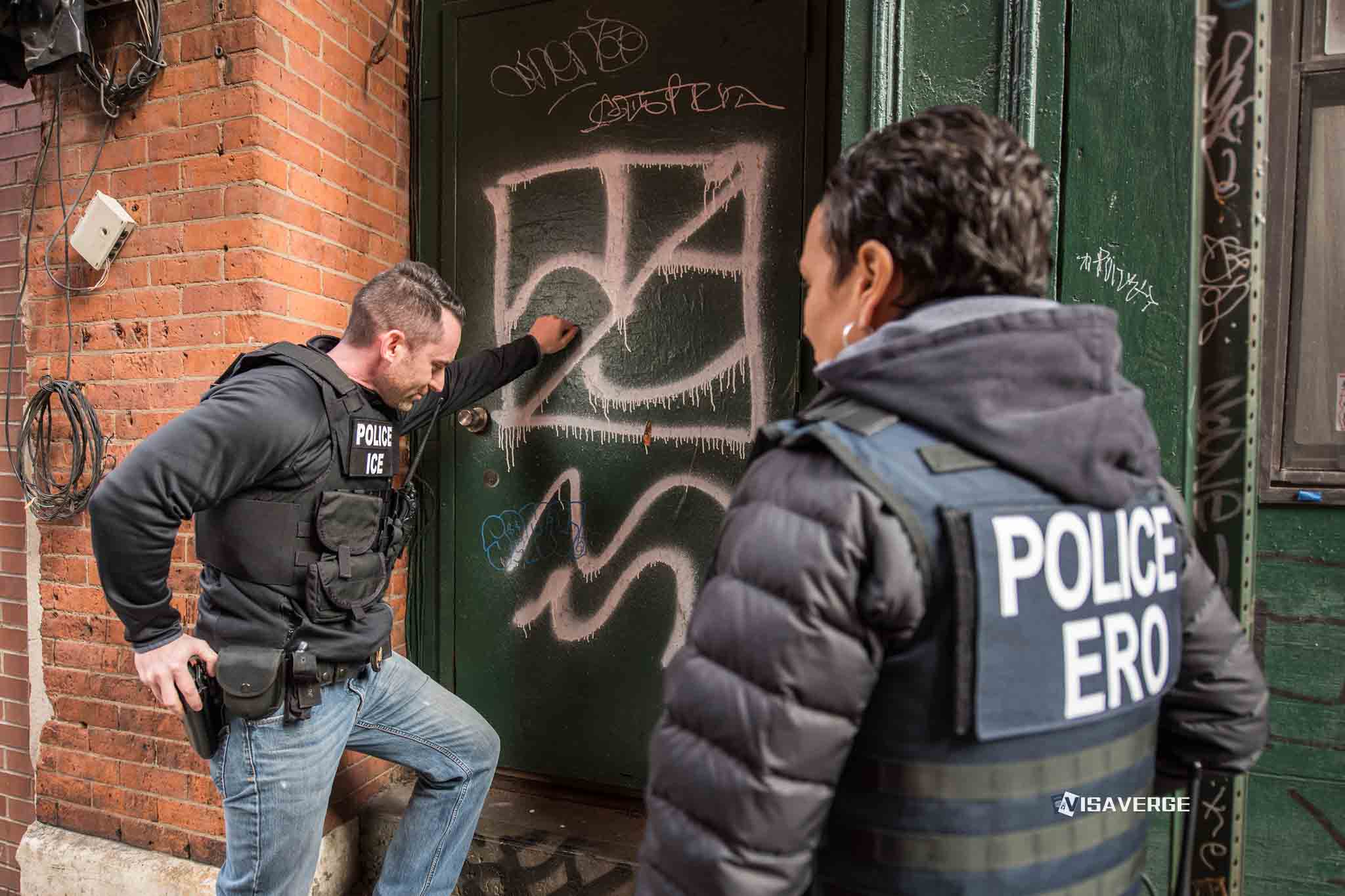
- Dadfar was apprehended in Indiana while on a routine trucking assignment. ICE agents operating under Operation Midway Blitz identified him during a vehicle stop targeting transportation workers lacking full documentation.
- ICE transferred him to Greene County Jail in Springfield, Missouri — a facility under contract with federal authorities — even though his humanitarian parole and Employment Authorization Document (work permit) remain valid through June 17, 2026.
- Faqirzada is reported to be a 31-year-old Bard College student who was detained after attending a scheduled asylum interview on October 14, 2025. His family has prior asylum grants; his own pending Form I-589 application was filed with U.S. Citizenship and Immigration Services.
Operation Midway Blitz: scope and data
Operation Midway Blitz, launched September 9, 2025, developed into a multi-month, multi-state crackdown centered in Chicago and extending into Indiana, Wisconsin and beyond.
- DHS framed the operation as targeting “criminal illegal aliens.”
- By mid-November the effort had resulted in over 1,400 detentions, with advocates arguing only a fraction involved serious crimes.
- By November 11, 2025, 140 migrant truck drivers had been detained — supporters say this mirrors Dadfar’s situation, as someone working while trying to regularize status.
Key DHS data through October 15, 2025:
– 67% of arrestees had only civil immigration violations (e.g., visa overstays)
– 15% had convictions, mostly non-violent
– 18% faced pending charges
Table: Operation Midway Blitz—selected figures
| Metric | Figure |
|---|---|
| Launch date | September 9, 2025 |
| Total detentions by mid-November | >1,400 |
| Truck drivers detained by Nov 11 | 140 |
| Arrestees with civil violations (through Oct 15) | 67% |
| Arrestees with convictions | 15% |
| Arrestees with pending charges | 18% |
Legal challenges and court rulings
Multiple court rulings have challenged enforcement tactics tied to the operation:
- On November 12, 2025, U.S. District Judge Jeffrey Cummings ordered the release of 608 Chicago detainees, finding warrantless arrests violated the Castañon Nava consent decree. He found only 16 of the 608 had criminal histories and ruled 22 arrests illegal, demanding reimbursements and monitoring.
- On November 5, 2025, U.S. District Judge Robert Gettleman ordered sanitation improvements at Chicago’s Broadview facility, citing overcrowding and inadequate conditions.
- A class-action lawsuit has targeted Broadview since November 18, 2025.
Advocates cite these rulings as evidence of broader humanitarian concerns connected to the operation.
Conditions and advocacy reports
- The National Immigrant Justice Center (NIJC) released a December 10, 2025 report documenting squalid detention conditions for Operation Midway Blitz arrestees: overcrowding, inadequate medical care and barriers to attorney access.
- NIJC and supporters have highlighted facilities and conditions that prompted judicial interventions and lawsuits.
Supporters’ arguments and community efforts
Advocates argue Dadfar and Faqirzada are candidates for prosecutorial discretion because both have community ties and do not pose flight or public-safety threats.
Support and assistance examples:
– Crisis Servant Lutheran Church (Springfield) has provided rent aid, food deliveries, emotional counseling and advocacy letters to DHS and ICE.
– In New York, backers include the Episcopal Diocese of New York, Human Rights First and Bard College; classmates and professors fear Faqirzada’s studies have been halted.
– Bipartisan pressure for Dadfar’s release includes Democratic Reps. Joe Neguse and Jason Crow (Colorado) and Republican Teller County Commissioner Dan Williams, a former Army officer.
“We call for the immediate release of Ali Faqirzada. Welcoming people is the best of America and the call of our Christian faith.”
— Bishop Matthew Heyd
Human impact and family statements
Supporters say:
– Dadfar has no criminal record and his detention is a sharp break from the stability his trucking income provided while his family pursued asylum.
– His wife reports acute distress for their young children, who repeatedly ask for their father’s return, as she manages bills, childcare and legal coordination alone.
– For Dadfar’s family and Springfield supporters, the most urgent date remains June 17, 2026, when his humanitarian parole and work authorization expire — a deadline highlighted as critical given his continuing detention.
Policy, legal arguments, and broader consequences
Advocates point to:
– DHS guidelines favoring alternatives to detention for non-threats with community bonds.
– The structure of asylum processing, which can provide parole and work permits during multi-year waits but does not immunize applicants from arrest.
– Appeals invoking 8 C.F.R. § 241.4, a regulation advocates say supports release for low-risk detainees.
Veterans’ groups, citing the Kabul evacuation, criticized the operation for undermining trust in U.S. assurances to Afghan partners.
Political and local responses
Operation Midway Blitz has triggered political and legal backlash:
– Illinois: Gov. J.B. Pritzker issued Executive Order 2025-06 to document federal “military-style” tactics (flashbangs, helicopters, midnight raids) and their impacts, including detaining U.S. citizens.
– Chicago Mayor Brandon Johnson criticized “militarized enforcement” without local notice.
– A pending lawsuit challenged National Guard deployment; the Supreme Court affirmed it unconstitutional on December 23, 2025, for violating Posse Comitatus.
– Courts imposed restraints around protest policing and arrests: October 9 bans on tear gas were extended November 6 by Judge Sara Ellis.
– Other measures: body-camera mandates (October 16) and a Cook County October 15 courthouse arrest ban, later codified in HB 1312 effective 2026, allowing $10,000 damages suits.
Videos of citizen detentions circulated widely, including footage of a U.S. citizen identified as “Angel” grabbed on October 15, which supporters say intensified protests and scrutiny.
Organizing and continuing pressure
- Advocates argue that sweep data and court rulings should force a reassessment of enforcement priorities and tactics.
- Litigation, state measures and judicial orders continue to reshape the operation’s environment.
- Both Dadfar’s and Faqirzada’s cases have become organizing points for a network of churches, campus groups and immigration advocates pressing officials into early 2026.
Current status (as of January 3, 2026)
- Based on ongoing advocate updates, neither man had been released as of January 3, 2026.
- Dadfar remains at Greene County Jail since his October 10, 2025 arrest.
- Faqirzada remains detained after his October 14, 2025 asylum interview in New York.
Key takeaways
- Detentions under Operation Midway Blitz have affected many who appear to have civil immigration violations rather than serious criminal records.
- Court rulings and reports have raised humanitarian and legal concerns about tactics, detention conditions and warrantless arrests.
- Supporters emphasize community ties, family impacts, academic disruption and the impending June 17, 2026 expiration of Dadfar’s parole and work authorization as urgent practical stakes.
Advocates and officials are protesting the detention of Afghan allies Mohammad Ali Dadfar and Ali Faqirzada under Operation Midway Blitz. Despite having legal work permits and no criminal records, they remain jailed. The operation has seen over 1,400 arrests, but courts have ruled many detentions illegal due to lack of warrants and poor conditions. Local governments and churches continue to provide support and demand prosecutorial discretion.