(NEW YORK CITY, NEW YORK) — Federal immigration agents detained Columbia University student Elmina “Ellie” Aghayeva at university-associated housing in New York City early Thursday, then released her the same afternoon after New York City Mayor Zohran Mamdani raised the case with President Donald Trump.
Aghayeva, an Azerbaijani national described in accounts as a Columbia University international student, spent several hours in U.S. immigration custody before officials released her pending further legal proceedings.
DHS tied the detention to an alleged, older student-status issue involving her F-1 Visa records. DHS stated that her F-1 student visa had been revoked in 2016 “for failing to attend classes,” which DHS said put her in unlawful immigration status.
Attorneys and classmates countered that Aghayeva remained an active student nearing graduation, a dispute that helped trigger immediate legal challenges and campus protests as word of the arrest spread.
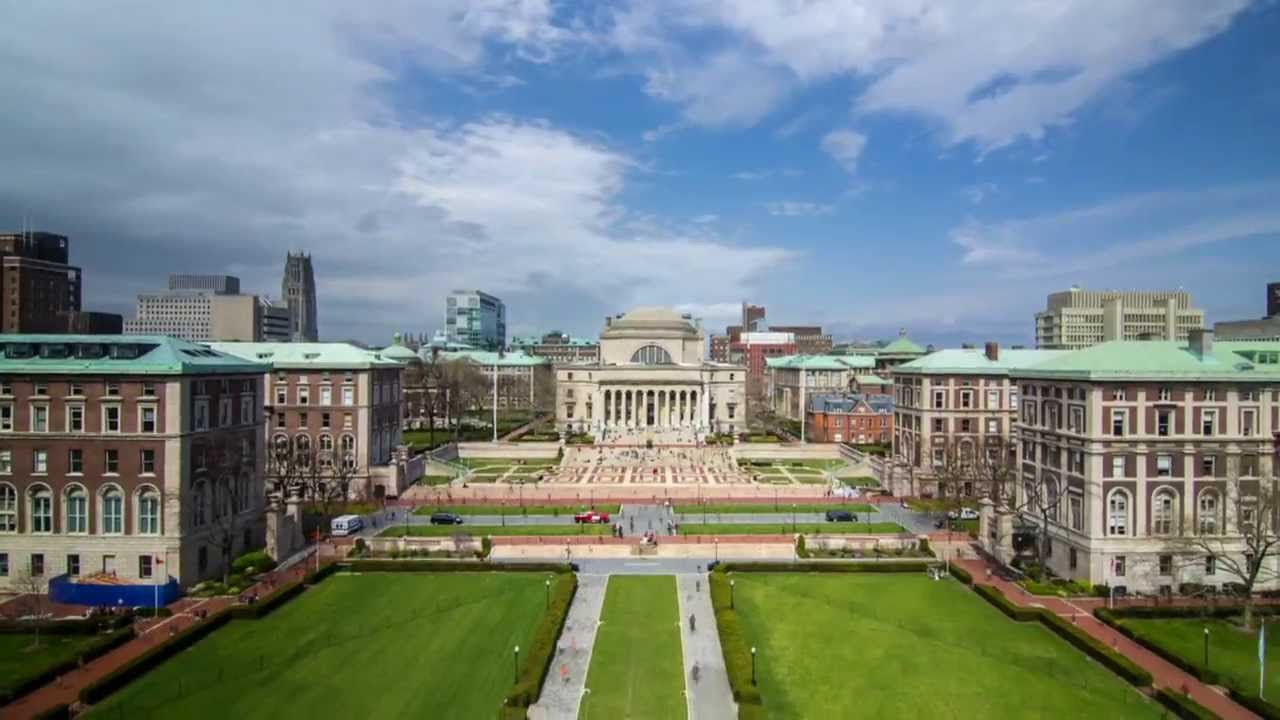
Columbia University administrators said federal agents allegedly gained entry to the residence without presenting a judicial warrant, a claim that sharpened attention on how immigration enforcement actions unfold in academic settings, particularly in student housing.
DHS disputed the account of how agents entered. DHS stated that “the building manager and her roommate let officers into the apartment” and that agents “verbally identified themselves and visibly wore badges around their necks,” adding they “did NOT and would not identify themselves as NYPD.”
The competing descriptions of consent versus a warrant mattered to students and staff trying to understand what authority agents relied on inside university-associated housing, and it fueled rapid campus reaction as the incident moved from a building-level encounter to a broader debate over immigration enforcement on campus.
Reports described the agents as part of the Department of Homeland Security. The accounts emphasized that agents did not present themselves as New York City police officers, a point DHS also addressed directly in its statement about identification.
By Thursday afternoon, political involvement became central to the outcome. Mamdani, who was in Washington, D.C., for a meeting with Trump, raised Aghayeva’s case with the president, urging federal authorities to review the situation.
Trump told Mamdani the student would be “released imminently,” according to the account of the exchange. Immigration officials released her shortly afterward, pending further legal proceedings.
A U.S. federal judge also ruled she could not be deported without a court order, providing temporary protection while immigration litigation continues.
After her release, Aghayeva posted on social media: “I just got out a little while ago I am safe and okay. I am so sorry but I am in complete shock over what happened.”
The episode quickly drew attention because it linked ICE Detention fears to a dispute over F-1 Visa compliance and SEVIS reporting, a system that helps track whether international students remain in status through enrollment and other requirements.
While the public debate focused on the detention itself, the government’s stated basis for the action centered on student-status history. DHS pointed to a 2016 action connected to alleged failure to attend classes, a claim that can affect whether someone remains in lawful nonimmigrant status under U.S. immigration rules.
For F-1 students, the case also highlighted a basic distinction in U.S. immigration administration: visa documents and immigration status are not the same thing, and a case can turn on what the government and a school’s records show about continued eligibility and compliance.
In practical terms, F-1 status depends heavily on SEVIS and institutional reporting through Designated School Officials, or DSOs, rather than visa validity alone. That structure can make school reporting central to questions that later become enforcement matters.
The case also put a spotlight on how allegations of non-attendance can resurface. Accounts of the incident described a past termination or revocation related to attending classes, and the enforcement action on Thursday showed how an issue described as years old can still carry consequences in the present.
For international students and universities, the escalation from a compliance question to detention can happen quickly. A stop that begins with agents seeking a person at home can end with custody, legal filings and a court order limiting deportation, all within the same day.
Even so, the release did not resolve the underlying legal dispute. The reported outcome Thursday was a procedural moment that left immigration proceedings and litigation continuing, rather than a final determination about lawful status.
Aghayeva’s case was expected to proceed through immigration court, where authorities will determine whether she maintained lawful status or qualifies for relief from removal. The public accounts did not describe a timetable for court proceedings.
The potential pathways in such cases can include disputes over the government’s allegations and arguments over whether status can be restored or otherwise addressed under immigration procedures, depending on the facts of an individual case and the timing of any alleged violations.
At the center of the dispute stood the question of how a student’s SEVIS record and school reporting aligned with the government’s position. In the accounts, DHS described a termination tied to non-attendance, while attorneys and classmates described her as still enrolled and progressing toward graduation.
The incident also intensified scrutiny of federal agents’ access to student housing. Columbia University officials emphasized that federal agents typically require judicial warrants to access non-public student housing, as the campus weighed how to communicate with students and staff during a fast-moving enforcement event.
Questions about housing access policies and coordination boundaries with federal authorities often become immediate pressure points for universities. In this case, the dispute over whether agents entered without a judicial warrant, or were allowed in by a building manager and roommate, sat alongside the broader immigration arguments.
Outside the building, the arrest quickly became a campus-wide issue. Hundreds of people attended a peaceful protest at Columbia University the afternoon of the detention, according to the accounts, reflecting broader concern among students and supporters.
Advocacy groups and civil rights organizations warned that enforcement actions occurring in academic environments may create uncertainty for international students already navigating visa limitations, employment rules and post-graduation immigration pathways.
The attention extended beyond Columbia University, with the case described as a talking point across universities and immigration policy circles because it connected student compliance systems to an enforcement action at university-associated housing.
More broadly, the detention came as debates continued about immigration enforcement targeting international students and activists at U.S. universities, with prior cases involving student visa revocations and deportation proceedings mentioned in the accounts.
For students trying to understand what this case signaled, attorneys emphasized the importance of maintaining continuous enrollment required by F-1 regulations, monitoring SEVIS status through DSOs, and addressing suspected status problems quickly, including through reinstatement or legal counsel where applicable.
Those reminders appeared alongside a broader warning that visa termination can trigger removal proceedings even years later, and that F-1 compliance can shift from administrative recordkeeping to enforcement with little notice.
In Aghayeva’s case, the public record of Thursday’s events included a rapid sequence: DHS agents detained her in the morning, competing accounts emerged about entry to housing and identification, political intervention followed hours later, and a judge’s ruling blocked deportation without a court order as litigation continued.
The speed of the outcome — detention, high-level political communication and release in the same day — made the story resonate across international student communities that watch SEVIS status closely and worry about the consequences of errors, disputes or older records.
As the legal process moves forward, the case left a core uncertainty unresolved: how authorities and the courts will treat the alleged historical SEVIS-related termination allegation that DHS linked to her F-1 status.
For now, Aghayeva’s own description of her condition after release captured the immediate human impact of a compliance dispute turning into an enforcement action: “I just got out a little while ago I am safe and okay. I am so sorry but I am in complete shock over what happened.”
Columbia University Student Detained by ICE on F-1 Visa Issues, Then Freed
Columbia University student Elmina Aghayeva was detained and released within a single day following a high-profile immigration dispute. While DHS cited an eight-year-old visa violation, university supporters claimed she was in good standing. The case reached the presidential level, resulting in her release after mayoral intervention. The event highlights the precarious nature of international student status and the legal complexities of immigration enforcement on university property.