- Columbia University proposes a new undergraduate major in Global Affairs through its School of International and Public Affairs.
- The plan faces faculty criticism over governance and concerns that the approval process was rushed and lacks consultation.
- The proposal comes amid tightening federal immigration policies and shifts in international student enrollment trends at the university.
(NEW YORK, NY) — Columbia University advanced a proposal to let its School of International and Public Affairs offer an undergraduate major in Global Affairs and Public Policy, a move that would shift the historically graduate-only school into bachelor’s education as faculty members question governance and resources.
The plan would create a standalone undergraduate major through SIPA, rather than a special program that requires students to keep a separate primary major. University leaders have framed the proposal as a way to meet demand for interdisciplinary policy training and to strengthen career pathways in public service and international affairs.
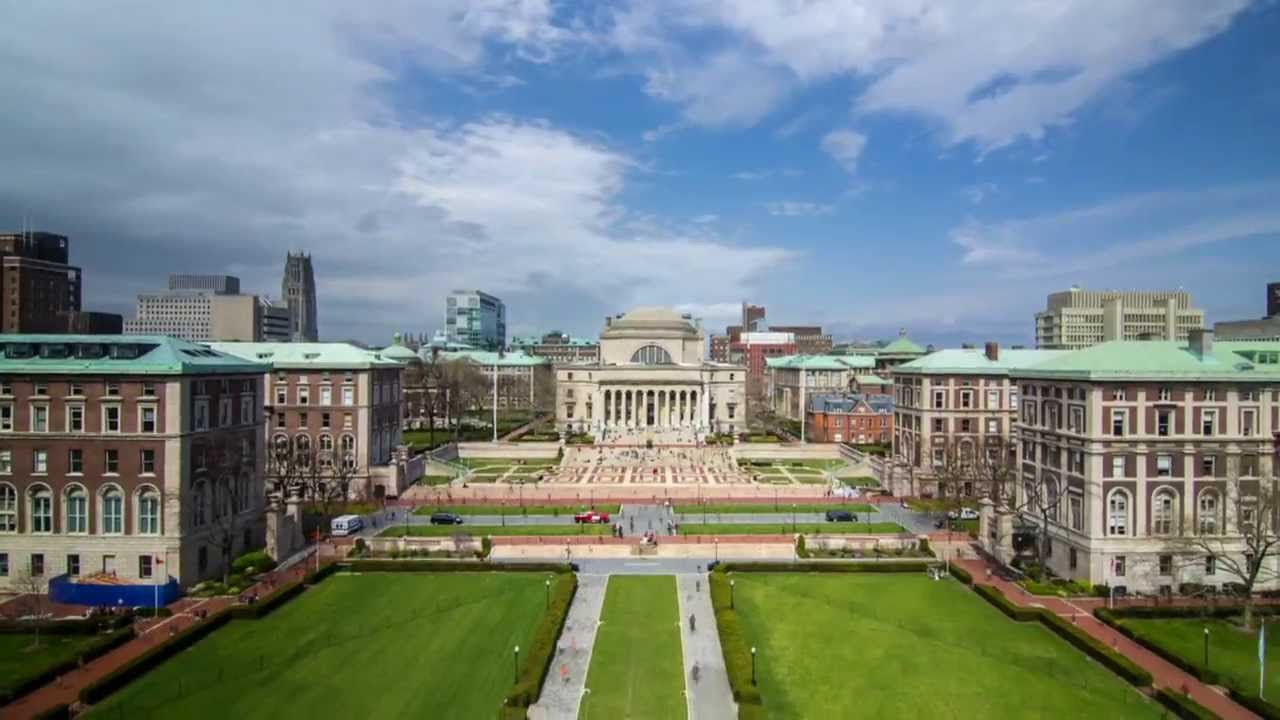
Students in Columbia College and the School of General Studies would be eligible to enroll under the proposal. Supporters inside the university have described it as a way to bring policy-facing coursework and professional training closer to the undergraduate curriculum.
Administrators have also presented the proposal as part of Columbia’s broader push to modernize academic structures and expand interdisciplinary education pathways. Faculty critics, however, have argued the process moved too quickly and with limited consultation across departments.
SIPA has long centered on graduate degrees such as the Master of International Affairs (MIA) and Master of Public Administration (MPA), and it draws students interested in policy, diplomacy, and international careers. Creating an undergraduate major would mark the first time the school directly educates bachelor’s-level students, reshaping how undergraduates access professional policy training.
Under the proposal’s outline, the new program would focus on global affairs and public policy, and it would sit within Columbia’s undergraduate structure as a full major. University leaders have described student interest in interdisciplinary programs that combine international affairs, public policy analysis, economics and governance, and global development and diplomacy.
The plan has already moved through a key internal step. The Committee on Instruction (COI) provisionally approved the major on December 19, 2025, placing the proposal into a stage of review that typically signals the concept has cleared an initial academic hurdle while leaving details and final authorizations unresolved.
Columbia expects a final review and submission to the New York State Education Department by April 2026, a step required before the university can treat the new offering as official in its academic program inventory. The university has not described, in the information made public, how long state review might take.
Additional internal academic and administrative pathways remain part of the process. Committees continue to review curriculum design, faculty participation, and resource allocation, with faculty discussions expected to continue as Columbia weighs innovation in academic offerings against shared governance expectations.
Acting University President Claire Shipman (CC ’86, SIPA ’94) has championed the expansion, according to the account accompanying the proposal’s advancement. Columbia has framed the move as aligning undergraduate education with professional policy training and as a response to shifting global demands.
Supporters have argued that earlier access to policy training can strengthen pipelines into public service and international careers. A SIPA undergraduate major could also widen access to SIPA’s networks for students who might otherwise wait until graduate school to pursue a policy credential.
Faculty criticism has focused on process as much as substance. Professor John Huber, Chair of the FAS steering committee, has been identified as a leading critic of the proposal’s handling, with faculty members raising concerns about a “rushed” approach through review channels.
Critics have said the plan advanced with limited cross-department consultation and that the time for academic review was insufficient for a change they view as consequential for Columbia’s undergraduate curriculum. Faculty members have also questioned whether review time was sufficient to ensure academic rigor and whether the initiative could affect existing undergraduate programs without thorough evaluation.
Resource strain has also emerged as a central worry among opponents. Professors have warned that bringing undergraduates into SIPA could increase faculty load, intensify competition for course seats, and require expanded advising capacity, especially if demand rises among students seeking policy-facing credentials.
Some faculty members have also expressed concern about SIPA’s academic identity. They have argued that rapid expansion into undergraduate education could blur the distinction between SIPA’s professional graduate training and traditional liberal arts education, including debate over whether the “preprofessional” nature of a SIPA major fits Columbia’s broader undergraduate mission.
The debate has unfolded as many universities expand career-aligned programs and professional pathways earlier in students’ academic lives. Columbia’s proposal aligns with wider trends among U.S. universities expanding policy and global studies programs amid rising interest in international governance and geopolitics, as institutions compete to offer interdisciplinary majors that connect classroom learning to public and private sector work.
For SIPA, which has traditionally operated as a graduate professional school, an undergraduate major would represent a structural transformation rather than a minor curricular tweak. Undergraduates could gain earlier exposure to policy analysis, global affairs, and public-facing problem-solving, potentially shaping how students plan for internships, fellowships, and post-graduation work.
The proposal’s supporters have presented student demand as a driver, while critics have asked how the university will balance demand with academic oversight and scarce resources. That tension has surfaced in questions about governance, including how SIPA’s leadership and faculty would coordinate with other departments that already teach international relations, economics, political science, and related subjects.
The move also carries particular significance for international students weighing Columbia University for policy and global affairs study. If Columbia opens a SIPA undergraduate major, prospective students could face a different set of academic pathways, including earlier exposure to policy and diplomacy networks associated with SIPA.
International students in the U.S. often consider how a major intersects with internship opportunities and post-graduation planning. A policy-oriented major can shape how students pursue practical experiences during study, though immigration outcomes depend on federal rules and on how a school implements program requirements.
SIPA’s student population has included a high share of international students, making the school sensitive to shifts in international enrollment pressures. In fall 2024, 63% of its student body consisted of international students, a figure that faculty and administrators have cited as part of the context around program planning.
That sensitivity has become more pronounced amid federal immigration developments that universities monitor closely, particularly signals from DHS and USCIS that can affect student decision-making and institutional planning. Columbia’s discussion of the SIPA major has unfolded alongside a broader national debate over immigration enforcement, visa policy, and the boundaries of student activity.
DHS Secretary Kristi Noem, speaking in an official news release after the arrest and self-deportation of a Columbia student, said: “It is a privilege to be granted a visa to live and study in the United States of America. When you advocate for violence and terrorism that privilege should be revoked, and you should not be in this country.”
In another federal announcement, DHS said USCIS would begin monitoring the social media activity of noncitizens for “antisemitic activity” or “harassment.” The official release stated: “This will immediately affect aliens applying for lawful permanent resident status, foreign students and aliens affiliated with educational institutions linked to antisemitic activity.”
A separate USCIS rule proposed in late 2025 added constraints for international graduate students by prohibiting them from switching academic programs without explicit prior approval from USCIS, adding administrative hurdles to the types of professional degrees SIPA offers. The rule was described as applying to international graduate students, and the account did not detail how enforcement would operate in practice.
Columbia has also faced financial and governance pressures tied to federal policy. In July 2025, Columbia reportedly reached a controversial settlement with the federal government to restore research grants, and the university agreed to “take steps to decrease financial dependence on international student enrollment.”
Faculty members have tied that backdrop to the SIPA undergraduate proposal, describing it as a way to tap the domestic undergraduate market if international graduate applications decline. University leaders have presented a different emphasis, framing the proposal around curricular modernization and the value of interdisciplinary policy education.
High-profile immigration-related cases involving Columbia affiliates have also fed student and faculty attention to federal enforcement. Mahmoud Khalil (SIPA ’24) was detained by ICE in March 2025, described in the same account as part of a wider “climate of fear” regarding visa status.
More recently, on February 13, 2026, an immigration judge terminated deportation proceedings against student Mohsen Mahdawi (GS ’25, SIPA ’27), ruling that DHS failed to meet its burden of proof. DHS responded by calling the judge an “activist.”
Against that backdrop, supporters of the SIPA proposal have described the undergraduate major as offering earlier access to structured policy training at Columbia, including potential links to internships and global networks. Critics have continued to press on internal questions: who will teach the courses, how seats will be allocated, and whether the school can expand without weakening existing programs.
The next phase inside Columbia will turn on governance decisions as much as curricular design. Committees will continue reviewing the major’s structure, including staffing, course access, advising, sequencing, and cross-school coordination, as the university determines how SIPA would integrate undergraduates into a school built around graduate professional education.
Those implementation questions carry direct stakes for students who want the major and for departments that already serve undergraduates in related fields. If SIPA draws significant undergraduate enrollment, it could shift demand patterns across Columbia College and the School of General Studies, increasing pressure on popular courses and on faculty members whose teaching already spans multiple programs.
Columbia also faces a question of institutional identity. A SIPA undergraduate major could build a clearer preprofessional route into policy work for some students, while other faculty members have argued that undergraduates should retain space for broader liberal arts exploration before specializing.
The debate has also underscored a basic dispute over pace. Faculty critics have said consultation across departments came late and review moved too quickly, while administrators have continued pushing the proposal through established channels, pointing to committee review and the remaining approvals still required before any undergraduate admissions begin under the new structure.
Readers tracking developments can monitor program documentation through the Columbia University SIPA Bulletin 2025–2026. Federal policy updates that shaped the wider context have appeared through the USCIS Newsroom and DHS releases posted by the DHS Press Office, while the campus debate has also been covered by the Columbia Spectator.