- A Columbia alumnus demanded the reopening of 116th Street gates to restore neighborhood connectivity.
- Elderly residents filed a class-action lawsuit alleging the closures violate ADA accessibility and historical agreements.
- The university maintains that temporary safety measures protect the campus from disruption during periods of protest.
(NEW YORK CITY) — A Columbia alumnus and Morningside Heights resident urged Columbia University to reopen its 116th Street gates in an open letter published on February 19, 2026, rekindling a campus access fight that has widened into a neighborhood dispute and a new lawsuit.
The letter, published in the Columbia Spectator, argues the 116th Street gates were designed to signal welcome, not to function as lasting barriers between the university and the surrounding community.
In the opinion piece, the author contends the continued closures change how students, neighbors, and visitors move through what has long been a porous urban campus. The letter also argues the original security rationale tied to protests has largely passed, and that leaving the gates shut sends a message of disengagement in Morningside Heights.
The author points to the gates’ history and symbolism. The gates were donated by George Delacorte in 1970 with plaques reading “May All Who Enter Find Peace And Welcome,” the letter notes, framing the entrances as ornamental rather than a perimeter meant for routine lockout.
Columbia tightened access to parts of campus after periods of heightened protest activity and security concerns in recent years. Administrators restricted entry points and increased security monitoring after demonstrations linked to broader political activism, including protests connected to global conflicts and immigration-related issues.
University officials framed the closures as temporary safety measures aimed at protecting students, faculty, and facilities. Supporters of the restrictions also argue they protect spaces for speech and reduce the risk of disruption from non-affiliates.
Over time, opponents of the closures have argued that a temporary posture hardened into a lasting access restriction. The university installed permanent Public Safety booths, replacing temporary tables, as it maintained tighter control over who could enter through gates along 116th Street.
Columbia updated access protocols in February 2026 to ease entry for alumni, local residents, faculty families, and guests, though the specifics remain undisclosed. The open letter treated that change as incomplete, arguing the broader public still cannot use the 116th Street gates as a normal passage.
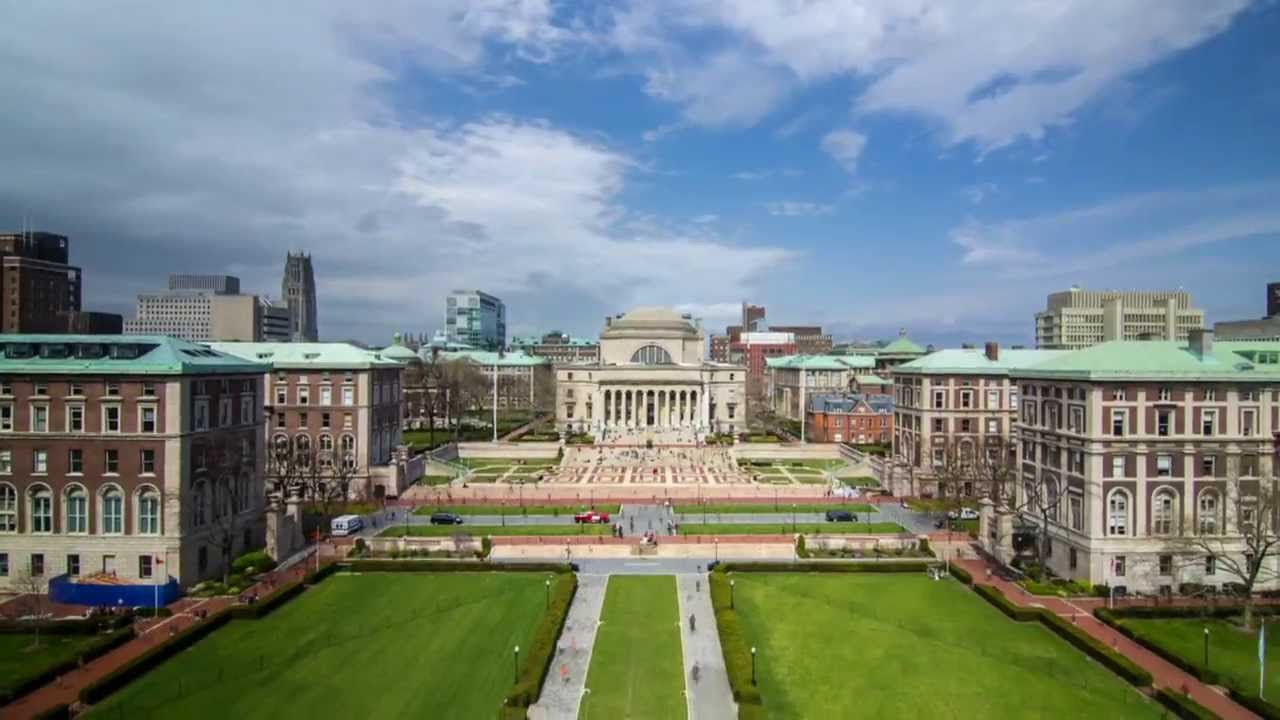
The dispute centers on the pedestrian corridor on 116th Street between Broadway and Amsterdam Avenue, known as College Walk. Residents and students who want the gates reopened describe the corridor as a neighborhood connector, not simply a campus amenity.
Community pushback has taken several forms, including rallies and legal action. Neighborhood groups and other opponents have argued that closing the gates disrupts neighborhood connectivity, limits community engagement, and changes the character of an historically accessible campus.
That pushback escalated in January 2026 when four elderly Morningside Heights residents filed a class-action lawsuit against Columbia in New York state court. The plaintiffs allege the closures violate the Americans with Disabilities Act by impeding neighborhood traversal and breach a 1953 agreement designating College Walk as public space.
The suit asks the court for a declaration that Columbia has no legal authority to close the gates, restoration of access, and damages for affected residents. If the case proceeds, it could set up discovery and negotiations, and it could also produce early court orders that shape how access operates while the litigation unfolds.
The complaint also lands in a long-running argument over what College Walk represents in legal and civic terms. Commenters have debated property rights and public access, with some citing a city easement granting Columbia control, while others argue it is a public right-of-way.
Supporters of reopening have cast the closures as more than a daily inconvenience. Residents have described the gates as cutting off a familiar cross-neighborhood route, forcing detours through the surrounding grid rather than allowing direct passage across campus.
Security advocates have offered a different account of the trade-offs. University statements and online comments have stressed the risks posed by non-affiliates and pointed to past campus damage during open-gate protests, while also emphasizing the private nature of the campus and noting public parks nearby.
The access debate has also intersected with campus politics outside the gates. Faculty protested outside the gates on the first day of classes in September 2025 over unrelated academic freedom issues tied to a Trump administration deal, reflecting how perimeter controls can turn entrances into focal points for protest and counter-protest.
In the open letter, the Columbia alumnus presses an argument about identity as well as logistics. Columbia, the author contends, built its image as an open urban campus integrated with New York City life, and the gates’ continued closure alters campus-community relations in a way that is felt both symbolically and in foot traffic.
The letter’s publication reflects a broader tension that urban universities across the United States have faced as protest activity and political polarization rise. Administrators have faced pressure to manage demonstrations, ensure student safety, and respond to political tensions while preserving academic openness.
Urban campuses sit inside dense neighborhoods and draw large numbers of visitors, commuters, and passersby, which can complicate security planning. A gate that functions as a landmark during normal times can become a checkpoint during periods of activism, with staffing demands, screening practices, and crowd control pressures that do not exist on more isolated campuses.
Critics of continuing restrictions argue that universities risk becoming isolated institutions rather than integrated civic spaces. They have warned that tighter perimeters can erode informal connections between campuses and surrounding communities, shifting the feel of a shared neighborhood into something closer to a guarded enclave.
Supporters of tighter controls argue that evolving security threats justify controlled access. They have emphasized the need to prevent damage and disruption and to manage large gatherings in ways that protect both university operations and the ability of students and faculty to speak and assemble.
At Columbia, the presence of permanent Public Safety booths has become part of the argument. Opponents cite the booths as evidence that the closures have outlasted their initial purpose, while supporters see them as a practical response to new expectations about monitoring and access control.
The fight over the 116th Street gates has also attracted attention because of how it affects international students and visiting families. Campus access policies can shape day-to-day movement across campus boundaries, from ID checks to visitor entry procedures, with consequences for how easily students can host guests or meet relatives who come to see the university.
A tightened perimeter can also influence how student activities feel, especially during politically charged periods. Protest regulations and security posture can affect where students gather, how demonstrators move, and how participants experience the presence of security staff and checkpoints near entrances that once served as open thoroughfares.
For visiting scholars and prospective applicants, the access dispute has become a visible signal of how American campuses have changed in recent years. The outcome at Columbia could add to a broader set of examples that other urban universities watch as they calibrate how open to remain while responding to protest cycles and security concerns.
The timeline of the dispute stretches across decades and then accelerates in the last two years. College Walk’s public-space status traces back to a 1953 agreement, while the gates’ symbolic language dates to the 1970 donation by George Delacorte.
The access restrictions, by contrast, took shape around 2024 as protests tied to political activism and global conflicts drove administrators to limit entry points. That posture remained visible into September 2025, when faculty protested outside the gates, and then into January 2026, when four elderly residents filed their class-action suit.
The latest flashpoint came on February 19, 2026, when the Columbia alumnus published the open letter in the Columbia Spectator. Columbia also updated access protocols in February 2026, easing entry for alumni, local residents, faculty families, and guests without disclosing specifics.
The open letter adds public pressure, but it does not change policy on its own. Any reopening of the 116th Street gates would require a decision by the university, a shift in access protocols, or an outcome in court that compels a change.
Near-term developments now sit on several tracks. Observers will watch for university statements and any adjustments to access rules, including modified hours or new categories of permitted entrants, and for early motions or hearings in the January 2026 lawsuit that could clarify what authority the university holds over College Walk.
Community meetings and campus organizing could also intensify as students and neighbors interpret Columbia’s signals. For supporters of reopening, a concrete change would look like restored public passage through the 116th Street gates between Broadway and Amsterdam Avenue, rather than a limited easing of entry for select groups.