Reports of immigration raids across California’s Coachella Valley, a major farming region that grows much of the United States’ produce, have set off days of fear among farmworkers and their families and pushed local leaders into a public fight over what they call aggressive federal enforcement in communities already strained by poverty and extreme heat.
Residents, advocates and faith leaders say the stepped-up presence of federal officers has changed daily routines since at least June 2025. Parents have kept U.S.-born children home from school, workers have skipped shifts in the fields, and churches and food banks have seen heavier demand in the eastern valley, where poverty rates exceed 65%, according to accounts from farmworkers, volunteers and organizers interviewed over the months that followed.
June 6, 2025 — A Day that Heightened Anxiety
The anxiety sharpened after a June 6, 2025 incident in Cathedral City that activists point to as a clear example of how quickly an ordinary morning can turn into a scramble to protect neighbors.
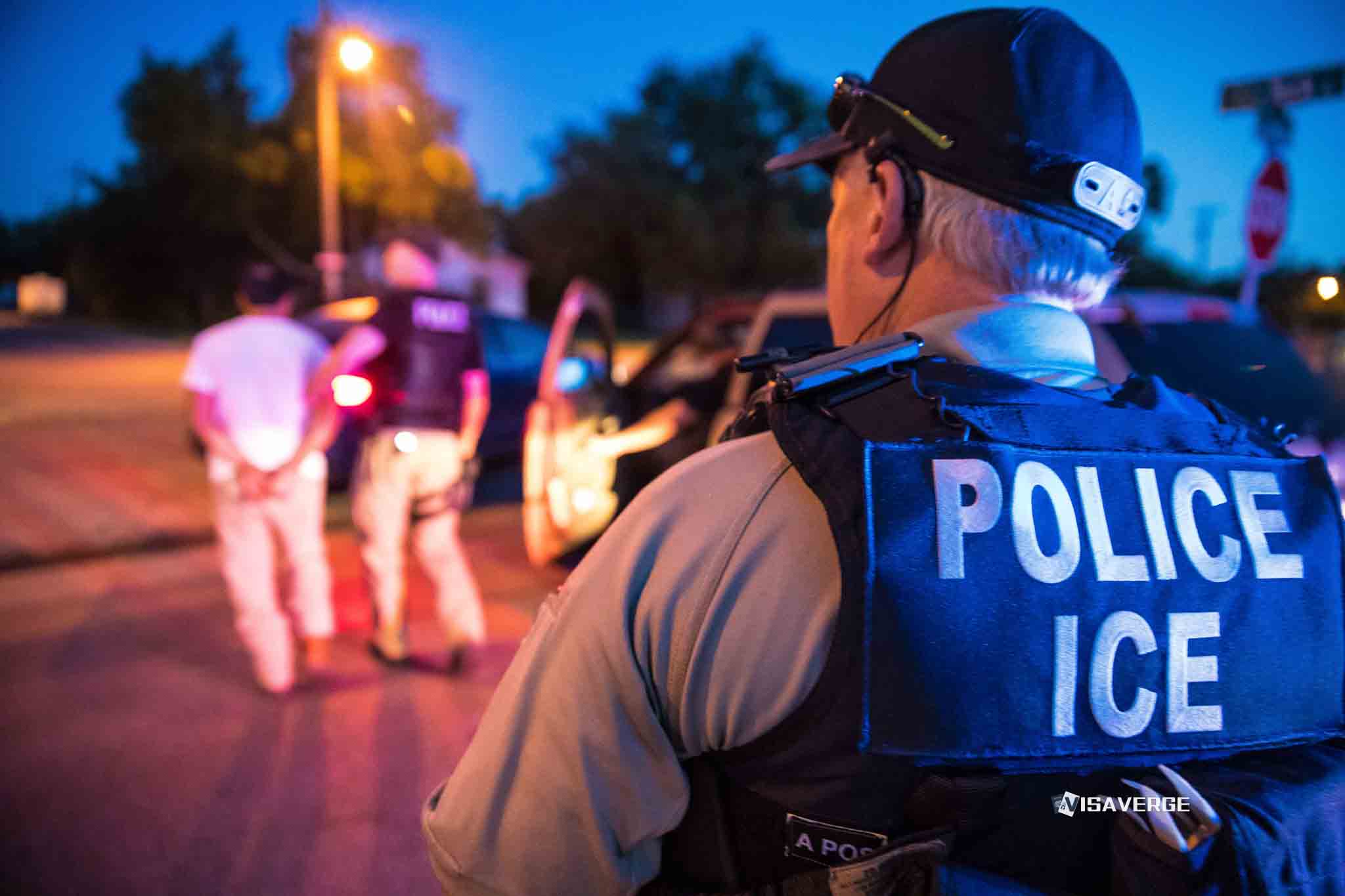
- Luz Vargas, a local resident, said she saw 20–25 federal agents step out of a white van near a school and begin planning an operation.
- Vargas filmed the scene and shared the footage with immigration attorney Juan Espinoza, who condemned the actions as “racially profiling people based on skin color and arresting them without warrants.”
Those officers, community members said, were not acting alone. Reports in the valley described teams involving multiple federal agencies.
Agencies Reportedly Involved
- ICE (Immigration and Customs Enforcement)
- Border Patrol
- Department of Homeland Security (DHS)
- DEA (Drug Enforcement Administration)
In videos and firsthand accounts, residents described agents approaching Latino men in public places and demanding identification, even as the Trump administration has said its focus is violent criminals.
“I’ve never seen it like this,” farmworker Imelda Barragan said, reflecting on decades of periodic enforcement that, in her view, had never produced the same level of panic.
Community Response and Local Official Actions
By late morning on June 6, community groups had organized a public response.
A press conference at the RAP Foundation in Palm Desert drew a coalition that included:
- Indio City Councilman Oscar Ortiz
- The local head of the United Farm Workers union
- Representatives from TODEC
- Members of the Danza Azteca Citlatonac Indigenous Culture Center
- Pastors from the East Valley
Speakers urged residents to stay calm, share verified information, and remember that people in the United States have constitutional protections even when they lack immigration status.
City leaders in Cathedral City acted to separate local policing from federal civil enforcement. Cathedral City officials and police publicly stated that they:
- “do not participate in any civil immigration enforcement activities” — a message intended to reassure residents worried that calling 911, reporting domestic abuse, or cooperating as a witness could put them at risk.
Advocates note that fear spreads quickly in towns with many mixed-status families, where U.S.-citizen children and undocumented parents share the same roof.
Wider Ripple Effects on Households and Services
As reports of raids continued into the summer and fall, organizers said the ripple effects reached far beyond those directly stopped or detained.
Interviews conducted by advocates and local leaders in October 2025 described households:
- Cutting meals
- Skipping medical visits
- Losing income overnight because a worker stayed home to avoid checkpoints or because a main wage earner was detained
Some families reportedly went from two breadwinners to one, or from one to none, then relied on relatives, churches, or food pantries.
Reyes Lopez, lead organizer with Inland Congregations United for Change, highlighted the harsh irony: field work continues in triple-digit heat, including days reaching 115°F, while the same workers labeled “essential” live under the fear that routine activities could end in detention.
Social media videos showing arrests often spread faster than verified information, increasing uncertainty and pressure.
Surge in Needs Reported by Faith Leaders
Faith leaders in the eastern valley have reported needs that go well beyond food assistance.
- Rev. Rocendo Herrera of Our Lady of Guadalupe Sanctuary in Mecca said church services have drawn 4,000 people weekly since the raids began.
- Pastors and volunteers report more requests for help with:
- Safe housing
- Child care arrangements
- Mental health support (panic attacks, sleeplessness), especially among children worried a parent may not return from work
Activists have also described cases where U.S.-born children were left in the care of relatives after a parent was deported.
Federal Officials’ Response
Federal officials have defended the operations as part of the administration’s public safety agenda.
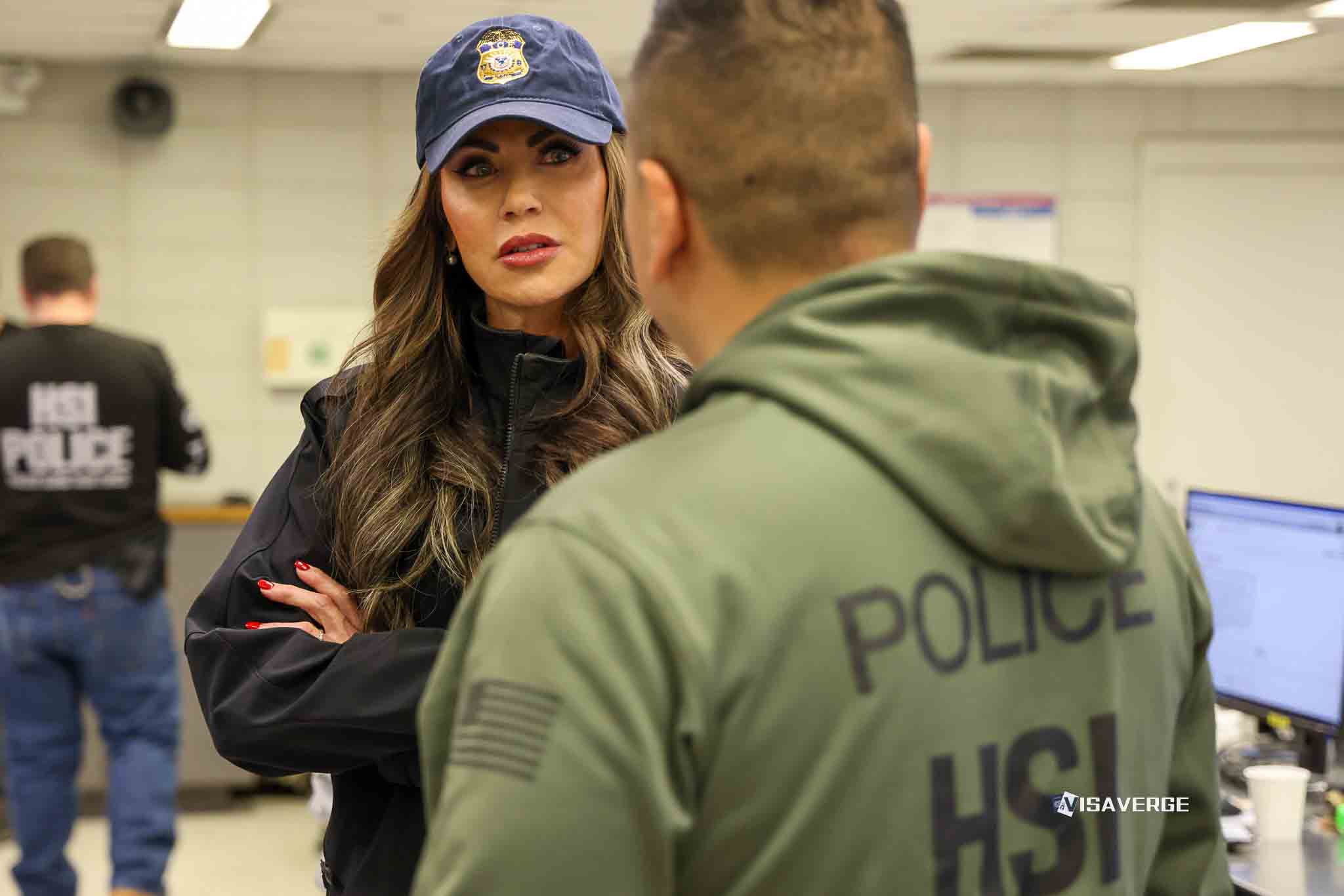
- DHS Assistant Secretary Tricia McLaughlin said:
“Under Secretary (Kristi) Noem, our brave law enforcement officers are delivering on President Trump’s and the American people’s mandate to arrest and deport criminal illegal aliens to make America safe.” -
The White House also pushed back on claims that enforcement will worsen farm labor shortages. White House spokesperson Abigail Jackson said:
“Over one in ten young adults in America are neither employed, in higher education, nor pursuing some sort of vocational training. There is no shortage of American minds and hands.”
Economic and Community Impact on the Region
In the Coachella Valley, the policy debate collides with the region’s farm economy and the lives built around it.
- Undocumented workers have long harvested crops such as carrots, lemons and grapes in the area.
- Families commonly share housing to afford rent.
- When workers stop showing up for even a few days, lost pay can cause:
- Late bills
- Empty refrigerators
- Difficult decisions about risking a commute
Local advocates say rumors of raids, even when unconfirmed, can cause significant harm because the fear itself changes behavior.
Legal Transparency and Oversight Efforts
Legal organizations are pressing for clarity on who is involved in operations on the ground.
- The National Immigration Law Center filed a Freedom of Information Act request seeking records on possible National Guard involvement in California raids.
- The request seeks documents and communications that could show when military resources were used and under what authority.
Community leaders stress that clarity matters because residents often cannot tell which agency is stopping people, what standards officers are following, or what rights apply during an encounter.
Guidance to Families and Warnings
Advocates have urged families to rely on official sources for basic information about federal enforcement agencies, including ICE’s public website at Immigration and Customs Enforcement.
They also warn that fear can make people vulnerable to scams:
Be alert to scams during enforcement periods. Do not pay ‘papers fixes’ or share sensitive info over-the-phone. Verify any claim with official sources or trusted legal aid before acting.
- Callers may claim they can “fix papers” or demand money to stop a deportation.
- Analysis by VisaVerge.com shows periods of high-profile enforcement often lead to a spike in immigration fraud reports, as unscrupulous “consultants” target desperate families.
What Local Leaders and Organizations Say They Can Do
Although federal immigration enforcement is outside local control, community leaders say they can take actions to reduce harm:
- Document residents’ reports and incidents.
- Connect families with credible legal help.
- Keep schools, clinics and worship spaces accessible to those feeling trapped at home.
- Share verified information and resources to reduce panic and exposure to scams.
Immediate Human Impact — A Snapshot
In the eastern valley, where many residents already live close to the edge, the most immediate impacts have been:
- Fewer people leaving the house
- Fewer hours worked in the fields
- More families asking how to stay together when a single traffic stop can change everything
The combination of heightened enforcement activity, extreme heat, and deep poverty has created a fragile environment in which routine actions can have cascading consequences for families and the local farm economy.
Immigration raids in the Coachella Valley have created an environment of fear, causing significant disruptions to daily life and the local agricultural economy. While federal officials defend these operations as public safety measures, local advocates and leaders condemn the aggressive tactics for harming vulnerable families. Community organizations are now focusing on providing legal resources and basic necessities to those affected by the increased enforcement.