December 21, 2025
- Updated focus to Michigan procedures for locating detainees and protecting medical needs
- Added details about North Lake Processing Center reopening on June 16, 2025 with 1,800 beds
- Included Nenko Ganttchev death date (December 20, 2025) and expanded mention of family and Rep. Delia Ramirez’s investigation calls
- Added reported enforcement goal of 3,000 daily arrests and county detainee counts (346 in early June 2025)
- Expanded practical guidance with facility-specific warnings (long distances, limited visits, 1.5-hour windows)
(MICHIGAN) When someone disappears into ICE custody in Michigan, the first hours matter. Transfers can happen overnight from a county jail to the North Lake Processing Center in Baldwin, or to another contracted site, leaving families calling the wrong place. That risk has grown as detention expands and scrutiny rises after the December 20, 2025 death of 56-year-old Bulgarian business owner Nenko Ganttchev at a Michigan-contracted facility. His family and U.S. Rep. Delia Ramirez called for an urgent, independent investigation into what they described as substandard care.
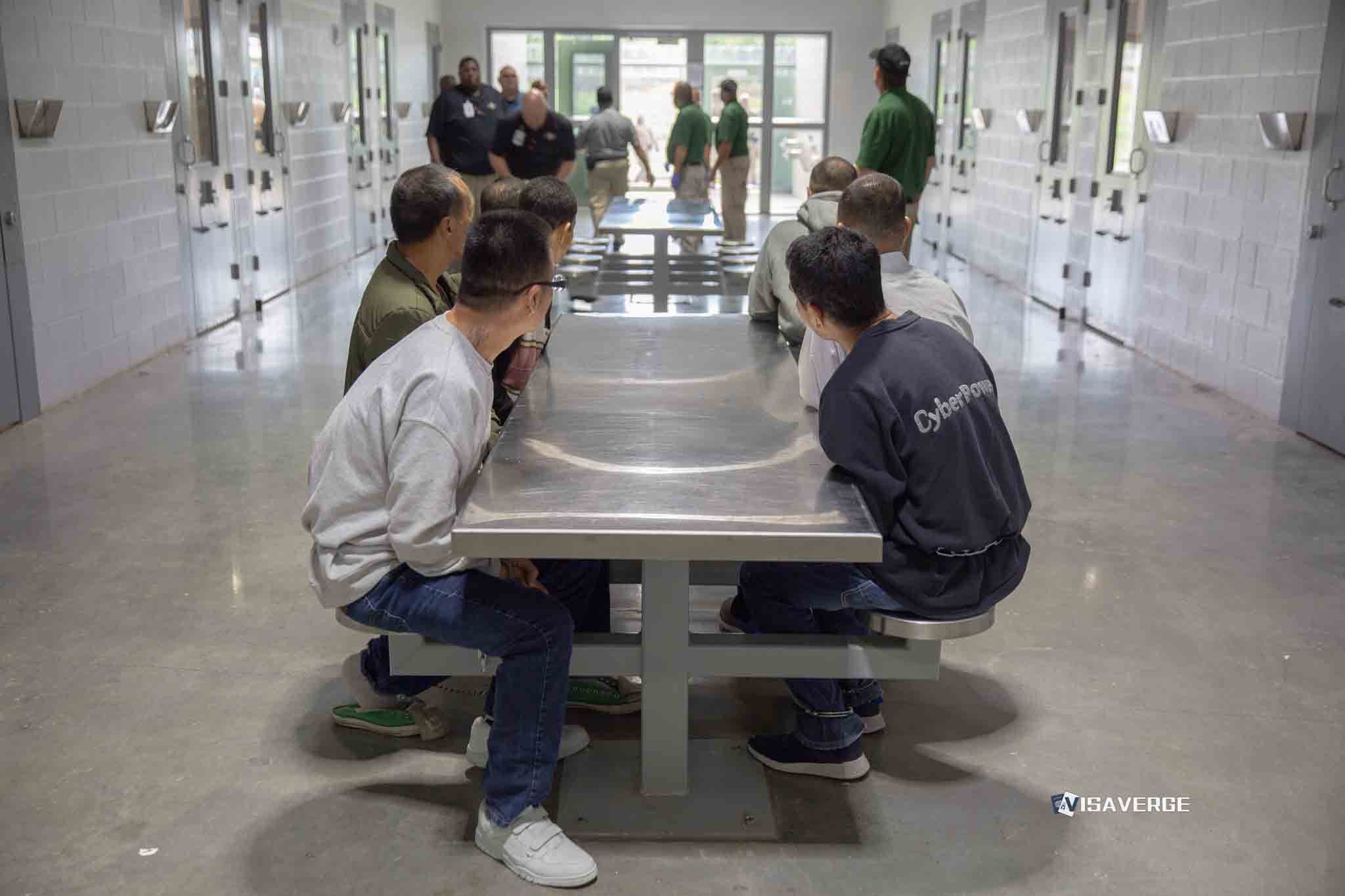
VisaVerge.com reports that Michigan has become a hub in the Trump administration’s push to triple detention capacity nationwide. North Lake, owned by GEO Group and closed in 2022 under President Biden’s curbs on private prisons, reopened on June 16, 2025 with 1,800 beds, making it one of the largest facilities in the Midwest. Advocates say the scale and the rural setting raise the stakes for people who need quick medical attention, language help, or a fast bond hearing.
First day: confirm the exact location and find the A-Number
Start by getting the detainee’s A-Number (also called an “Alien Registration Number”), a unique ID used across the immigration system. If you can reach your loved one by phone, ask for the A-Number, their date of birth, and where they were last held.
If you cannot reach them, use the official ICE Online Detainee Locator System with the person’s name, date of birth, and country of birth, or the A-Number if you have it. The locator is often the fastest way to confirm whether someone is in ICE custody, but it can lag during rapid transfers.
While you search, write down:
- Full name and any spelling variations
- Date of birth and citizenship
- A-Number (if known)
- Time and date you last had contact
- Names of officers or jail staff you spoke with
In Michigan, this list matters because people may cycle between county jails and North Lake. In early June 2025, local jails in Calhoun, Chippewa, Monroe, and St. Clair counties held 346 detainees, according to the source material.
Days 1–3: get a licensed immigration lawyer on the case
Immigration court is civil, not criminal. That means there is no free public defender. A licensed immigration lawyer can check whether the person has an existing case in immigration court, whether they may ask for bond, and what forms of relief might fit.
To let a lawyer speak for the detainee, the lawyer usually files Form G-28, Notice of Entry of Appearance as Attorney or Accredited Representative. Families should ask the lawyer for a copy of what was filed and any receipts. You can review the official instructions and download the form from the United States 🇺🇸 government’s page for Form G-28, Notice of Entry of Appearance as Attorney or Accredited Representative.
“Dangerous times” — Julie Powers of Immigration Law and Justice Michigan described the current moment as “dangerous times” for Michigan immigrants in the source material.
In practice, “dangerous” often means speed: arrest, transfer, and first hearing can move fast, especially with reported enforcement goals of 3,000 daily arrests.
Ask the lawyer to explain, in terms you can repeat to family, which track applies:
- Removal case (deportation case) in immigration court
- Custody case (whether ICE must release the person, with or without bond)
- Possible habeas corpus filing in federal court to challenge unlawful or prolonged detention
Week 1: build a detention “packet” that supports bond and safety
Once you know the facility and have counsel, gather records that show identity, health needs, and community ties. This packet helps in bond requests and medical advocacy.
Create two copies: a paper binder and a scanned folder.
Identity and custody papers (keep accessible):
- Passport biographic page, if available
- Any ICE paperwork, court notices, or prior USCIS receipts
- A-Number and detention location details
Medical records (treat this as urgent):
- Current diagnoses (e.g., diabetes, heart disease, asthma, depression)
- Medication names, doses, and pharmacy contact
- Allergies and prior hospital visits
- Names and numbers for treating doctors
Community ties:
- Lease, mortgage, or utility bills
- Pay stubs and employer letters
- Tax returns and school records for children
- Support letters from family, faith leaders, and neighbors
Keep a running log of every call, voicemail, email, and visit request. If something later goes wrong, timelines often make or break accountability claims.
Week 1–2: put medical requests in writing and keep copies
Deaths and hunger strikes reported at North Lake have made medical advocacy a central task, not an afterthought. The source material points to six hunger strikes in 2020 and the 2020 death of Jesse Dean from untreated ulcers, along with lawsuits about conditions. Critics, including No Detention Centers in Michigan and the ACLU of Michigan, have warned about “zombie prisons,” shuttered criminal sites repurposed for immigrant detention.
Families should not rely on a phone call alone. Send a written medical request to the facility, with a copy to the lawyer. Keep the language simple and specific: what the condition is, what medication is required, and what happens if care is delayed.
Include:
- The detainee’s full name and A-Number
- A short list of medical conditions
- A full medication list with dose and schedule
- A request for an exam and ongoing monitoring
- Permission for staff to contact the outside doctor
If the person is in crisis, call the facility and ask to speak with medical staff, then write down who you spoke with and when. If you later need to show a pattern of neglect, these notes can matter as much as formal records.
Month 1: track hearings, remote access, and visit limits
North Lake sits in Lake County, population 13,000, and the source material says it is more than 200 miles from border crossings and about 50 miles from major cities. For many families in Detroit, Chicago, or nearby towns, that means long drives, missed work, and fewer in-person visits.
The source material describes visits limited to 1.5-hour windows four days a week, with separate attorney access by phone or video. Ask the lawyer which format the court is using and whether the detainee will appear by video.
Each week, confirm:
- Next hearing date and time
- Whether a bond request is pending
- Whether ICE has scheduled travel documents or removal
- Any new transfer notices
When bond is denied or detention drags on: ask about habeas options
Some people face mandatory detention, meaning the law can block bond for certain criminal or security-related grounds. Even then, lawyers may have ways to challenge errors, delays, or lack of due process.
The source material notes a growing trend of habeas corpus filings in Michigan to challenge prolonged detention without bond hearings. Habeas is not a standard immigration form; it is a federal court lawsuit. It often turns on clear records: dates of arrest, transfers, hearing notices, and written medical requests.
The same records can support:
- Complaints to oversight bodies
- Requests for congressional help
- Civil rights claims tied to medical neglect
Protecting dignity and evidence during a fast-moving transfer system
ICE detention can feel like a black box, especially in rural Michigan. GEO projects $70 million in annual revenue from North Lake once it reaches full capacity, according to the source material.
If a loved one is moved, repeat the first-day steps right away: confirm location, confirm the A-Number, and notify the lawyer. Do not send original documents to a facility unless the lawyer tells you to; mail can be delayed or lost.
In Michigan’s current detention surge, the most practical protection is steady, dated documentation paired with fast legal action, especially when medical care is at issue and oversight is far from the facility gates.
Quick reference table
| Item | Why it matters |
|---|---|
| A-Number | Unique identifier across immigration system; essential for searches and filings |
| Facility name (e.g., North Lake) | Determines visitation logistics, distance, and medical oversight |
| Medical packet | Supports urgent care requests and documents neglect |
| Form G-28 | Lets a lawyer officially represent the detainee |
| Habeas filings | Federal option to challenge prolonged or unlawful detention |
Key takeaway: rapid confirmation of location and A-Number, immediate counsel, and detailed, dated documentation (medical, legal, and contact logs) are the strongest practical protections for someone in Michigan ICE custody.
As Michigan increases ICE detention capacity at facilities like North Lake, families face complex challenges in tracking and protecting loved ones. This guide outlines critical immediate actions: obtaining the A-Number, hiring legal counsel, and creating a detailed medical and community evidence packet. With rising concerns over facility conditions, documented medical requests and potential federal habeas corpus filings are vital tools for ensuring detainee safety.