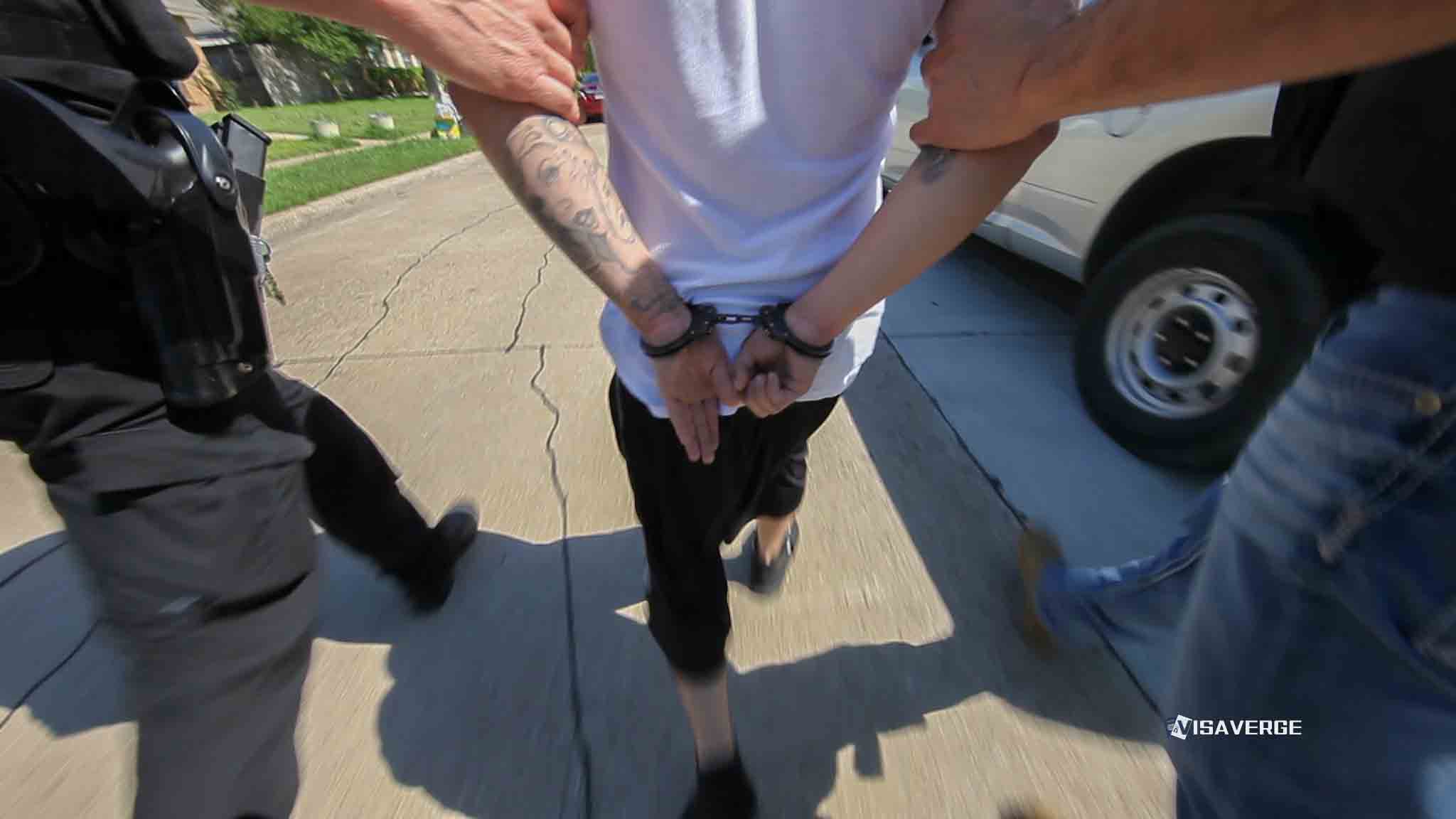
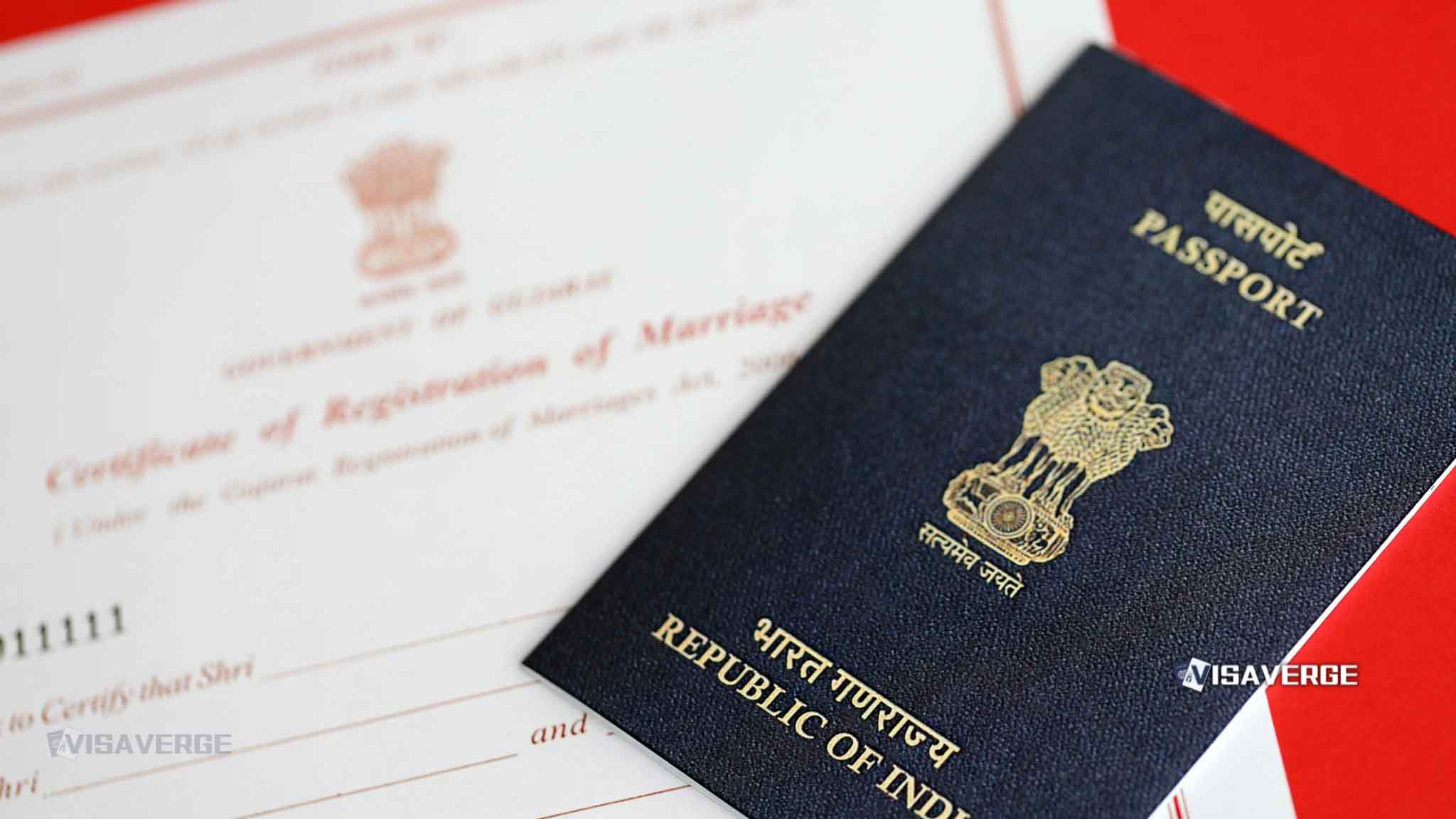
(ALBANY, NY) New data and new accounts from attorneys and elected officials point to a sharp rise in ICE arrests in New York’s Capital Region, where Afghan nationals and other immigrants say ordinary errands now carry risk. Two Afghan nationals, a father and adult son, were detained near the Masjid As-Salam mosque on Central Avenue in Albany earlier this month after morning prayers, according to local reports. The detentions have intensified fear in Albany, Schenectady, Rensselaer, and Saratoga counties as the Trump administration’s 2025 enforcement drive reaches neighborhoods, workplaces, and even federal offices. Community leaders said families are rechecking plans.
Local officials, elected representatives, and community reactions
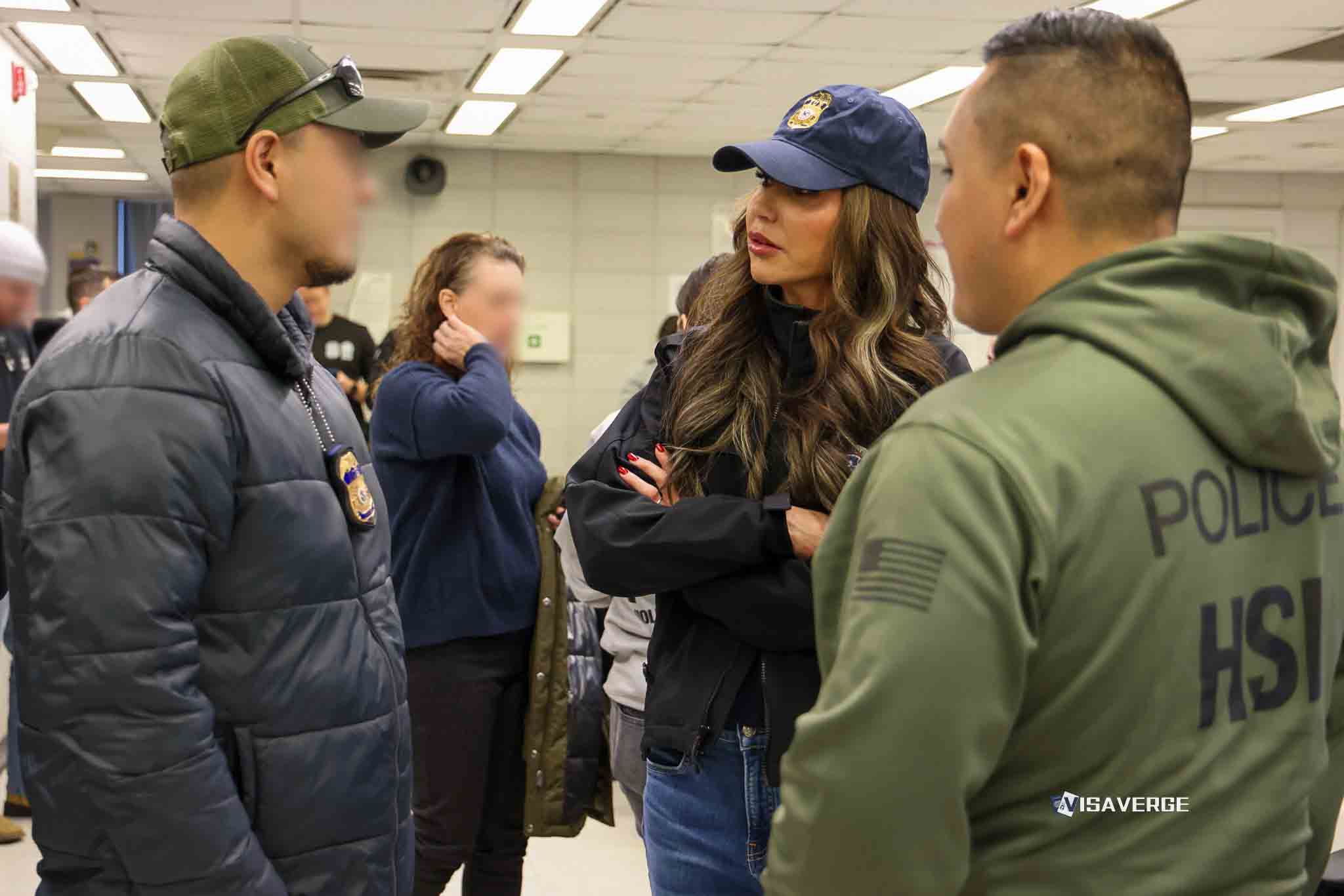
At a press conference outside the USCIS office in Colonie, Democratic Representative Paul Tonko said arrests have surged “across every county” in the Capital Region, and he argued that most cases involve people with no criminal record. Tonko blamed policy choices under President Trump, saying the administration was using “the despicable actions of one individual” to cast suspicion on a wider community.
While Tonko did not cite a local arrest total, he said his office was hearing from worried employers, faith groups, and U.S. citizen relatives who feared a knock at the door. He called for transparency from ICE.
People who pray at Masjid As-Salam said the father and son had come for dawn prayers and were stopped soon after, leaving friends to call spouses and search for answers. Their names were not released in the reports, and it was not clear what paperwork, if any, they were asked to show.
The arrests near a mosque have echoed other moments in U.S. immigration history that left Muslim communities feeling singled out. In the days after the detentions, some families kept children home from after-school programs and skipped grocery runs, neighbors said. One member said, “We don’t know who’s next.”
“We don’t know who’s next.” — neighborhood reaction after mosque arrests
Reports from attorneys and on-the-ground impacts
Immigration lawyer Cianna Freeman of Whiteman, Osterman and Hanna said her clients have reported ICE agents waiting at federal buildings, where immigrants show up for routine check-ins, applications, or scheduled appointments. Freeman said the pattern has made even “normal” compliance steps feel unpredictable, especially for people in the middle of green card or visa cases who must attend in-person meetings.
She has urged families to share key details before any visit, including:
- where documents are stored,
- who to contact if a spouse does not come home,
- and how to access legal help quickly.
For many, the fear is immediate, and that message is spreading locally.
Federal data showing nationwide surge (context)
Federal data shows the Capital Region spike fits a broader surge after President Trump took office in January 2025:
| Metric | Figure |
|---|---|
| ICE enforcement arrests in first 50 days of 2025 | 32,809 |
| FY 2024 at-large arrests (full year) | 33,242 |
| Share of detained people with no criminal record (nationwide) | >70% |
| Deportations Jan–May 2025 | over 120,000 |
| Share of those deported without criminal convictions | 67% |
| Detention capacity by June 2025 | ≈59,000 (140% over limit) |
Advocates say these numbers show how wide the net has become.
Local data limits and community response
Local officials and lawyers said the Capital Region data now being shared does not include a full count or a clear percentage rise, leaving residents to measure the change by stories rather than totals.
Tonko said his staff has tracked calls from families who never expected to face ICE, including asylum seekers and people with pending cases. Albany-area immigrant service groups said they are spending more time explaining basic rights and calming panic, even when a person has followed every rule.
The reports also raise concerns about “at-large” operations, where ICE arrests people outside jails, in public spaces, more often.
Special impact on Afghan nationals and mixed-status households
For Afghan nationals, the rise in ICE arrests lands with extra weight because many arrived after Afghanistan’s collapse and have relied on temporary protections, parole, or still-pending asylum claims.
In Albany and nearby suburbs:
- Afghan-run shops and small firms are integral to daily life.
- The mosque on Central Avenue is a social hub as much as a place of worship.
- Community members said that when enforcement hits one family, it quickly affects many others (rides to work, childcare, etc.).
- Several people described keeping copies of documents on phones in case they are questioned during a traffic stop.
Earlier in 2025, New York statewide figures showed ICE arrests falling after summer peaks, but recent activity in the Capital Region appears to run the other way, according to the same reports.
Residents said they have seen cars lingering near apartment complexes and have swapped warnings on messaging apps about agents outside government buildings. Freeman said she cannot predict when a client might be stopped, which makes planning hard for people who must travel for work or medical visits.
Even U.S. citizens in mixed-status households said they are reconsidering drives, worried about a routine stop turning into detention.
How to search for someone detained and associated limitations
ICE has not publicly released a county-by-county tally for Albany-area operations in these reports, but the agency’s enforcement tools are national.
- Residents can use the official ICE Online Detainee Locator System to try to find someone after an arrest at: ice.gov/detain/dod
- Lawyers warn that searches can fail if:
- a person is booked under a different spelling, or
- the person is moved quickly.
According to analysis by VisaVerge.com, the mix of higher arrest volume and crowded detention beds increases the chance of rapid transfers far from home, complicating access to counsel and family support. That is why advocates urge early legal advice.
Political responses and the local atmosphere
Tonko and Democrats said they want oversight of how ICE chooses targets, especially when the person has no criminal record and is checking in with the government.
Supporters of tougher enforcement say ICE is doing its job and that public safety requires action, though the local reports highlighted many non-criminal cases.
In the Capital Region, the result has been a chill felt in schools, shops, and houses of worship, where families weigh whether to attend services or keep a low profile. As word spread about the mosque arrests, one Afghan neighbor said he keeps his phone “in case someone disappears.”
New data and local reports show a surge in ICE arrests in New York’s Capital Region, including mosque-adjacent detentions of Afghan nationals. Federal figures list 32,809 arrests in the first 50 days of 2025 and crowded detention capacity, with advocates saying a majority had no criminal records. Local leaders call for ICE transparency, attorneys advise early legal planning, and community groups help families cope with disrupted routines and increased fear.