aviation international news reported that business aviation suffered its deadliest year since 2011 in 2025, recording 143 fatalities in 35 fatal business aircraft accidents worldwide.
The toll marked the highest number of fatalities and fatal accidents in more than a decade for the sector, AIN said, underscoring a sharp reversal from the lower totals recorded in every year from 2012 through 2024.
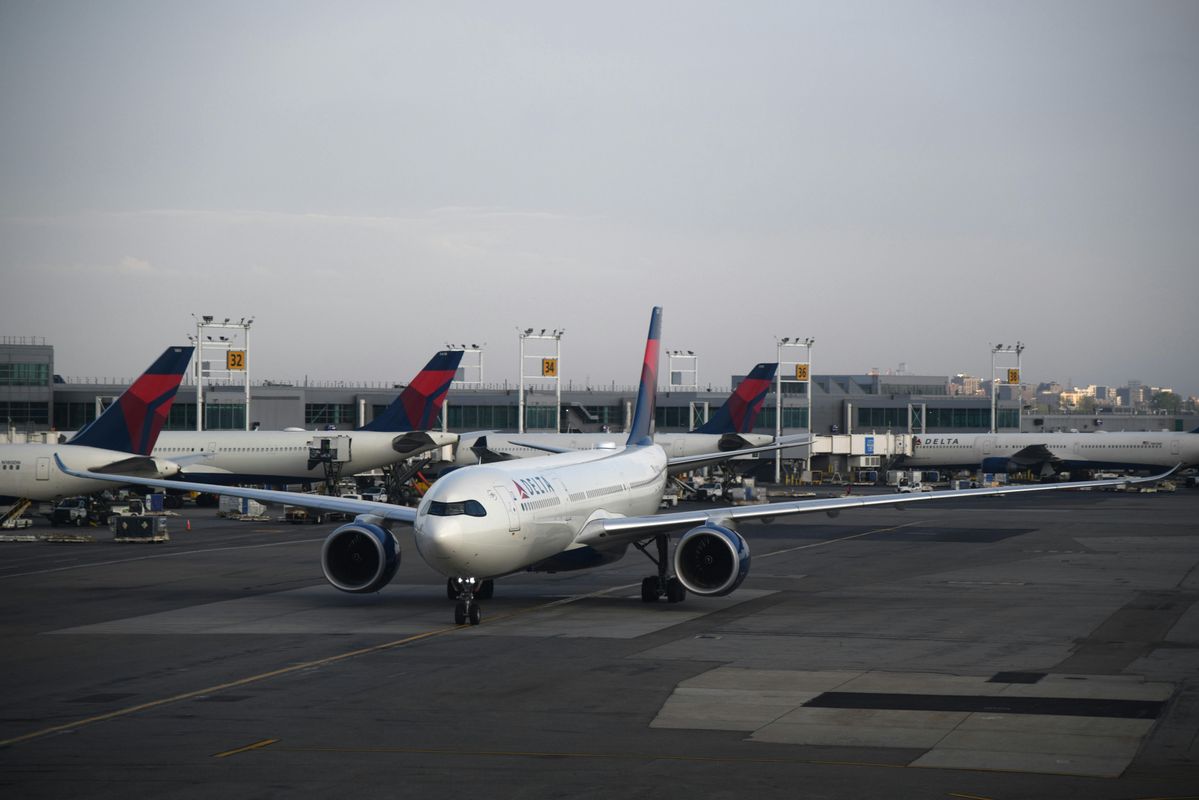
AIN published the figures in a safety review titled “business aviation safety suffers worst year since 2011,” based on its compiled accident data covering turbine business aircraft worldwide.
That scope included jets and turboprops used for business flying, placing the spike squarely within Business aviation rather than airline operations more broadly.
The rise stood out against broader commercial aviation statistics from IATA and others showing that overall accident rates per million sectors remain low and generally stable for airlines.
Against that backdrop, the business aviation segment diverged in 2025 with the surge in fatal accidents and deaths documented by AIN.
The full-year count followed a grim mid-year signal that had already pointed to escalating risk in the sector’s accident trend line.
In the first half of 2025, AIN said there were 18 fatal turbine business aircraft accidents that claimed 81 passengers and crewmembers, setting the tone for what became the year-end tally.
Those first-half figures included four non-U.S.-registered business jet accidents that alone caused 15 deaths, AIN reported.
By the end of the calendar year 2025, AIN’s compiled totals reached 35 fatal business aircraft accidents worldwide, with 143 people killed.
AIN characterized 2025 as the worst year for business aviation safety since 2011, when higher tallies were last recorded.
The numbers captured both the count of fatal accidents and the associated fatalities, with both measures reaching their highest levels since 2011 in AIN’s accounting.
AIN’s review did not frame the results as a marginal increase, but as a pronounced spike that had been visible as early as the first half of 2025 and then continued through the remaining months.
The 2025 figures also reinforced how safety patterns can differ sharply between segments of aviation, even when airline accident rates remain broadly steady in per-sector terms.
For business aviation operators, manufacturers, insurers and regulators who track safety performance through annual counts and trend lines, the 2025 totals amounted to a setback measured both in lives lost and in the number of fatal events.
AIN’s dataset focused on turbine business aircraft worldwide, a category that spans business jets and turboprop aircraft used for business flying.
Within that defined segment, AIN’s count of 35 fatal accidents and 143 fatalities placed 2025 above any of the preceding 13 years in its comparison, since only 2011 had higher tallies.
AIN’s mid-year review had already highlighted the pace of fatal events, with 18 fatal turbine business aircraft accidents and 81 deaths recorded in the first half alone.
The first-half detail about four non-U.S.-registered business jet accidents causing 15 deaths added an early illustration of how quickly fatalities were accumulating, even before the year’s second half produced the remainder of the annual total.
AIN’s full-year accounting, published under the title “Business Aviation Safety Suffers Worst Year since 2011,” presented the 2025 outcome as a clear high-water mark for fatal accidents and fatalities in the sector over more than a decade.
While airline safety metrics often rely on exposure-based measures such as accident rates per million sectors, the AIN review emphasized annual counts for business aviation’s turbine fleet, documenting the number of fatal accidents and the resulting death toll.
The result was a year-end snapshot that, in AIN’s words, established 2025 as the worst year since 2011 for business aviation safety, after a long stretch in which annual totals remained below that threshold.
The 2025 toll, AIN said, amounted to 143 people killed in 35 fatal business aircraft accidents worldwide, figures that made the year the deadliest since 2011 for the business aviation segment.
By comparison, broader commercial aviation statistics from IATA and others continued to show overall accident rates per million sectors as low and generally stable for airlines, highlighting the contrast between airline trends and the business aviation spike recorded in 2025.
AIN’s review, and its earlier mid-year update, together documented how the fatal accident and fatality counts built over the course of the year, culminating in the highest totals since 2011 for turbine business aircraft used for business flying.
Business aviation safety reached a low point in 2025 with 143 deaths and 35 fatal accidents. AIN reported this as the deadliest year since 2011, noting a significant divergence from the stable safety records of commercial airlines. The data covers jets and turboprops used for business, highlighting an urgent need for safety reviews among operators, manufacturers, and regulators worldwide.