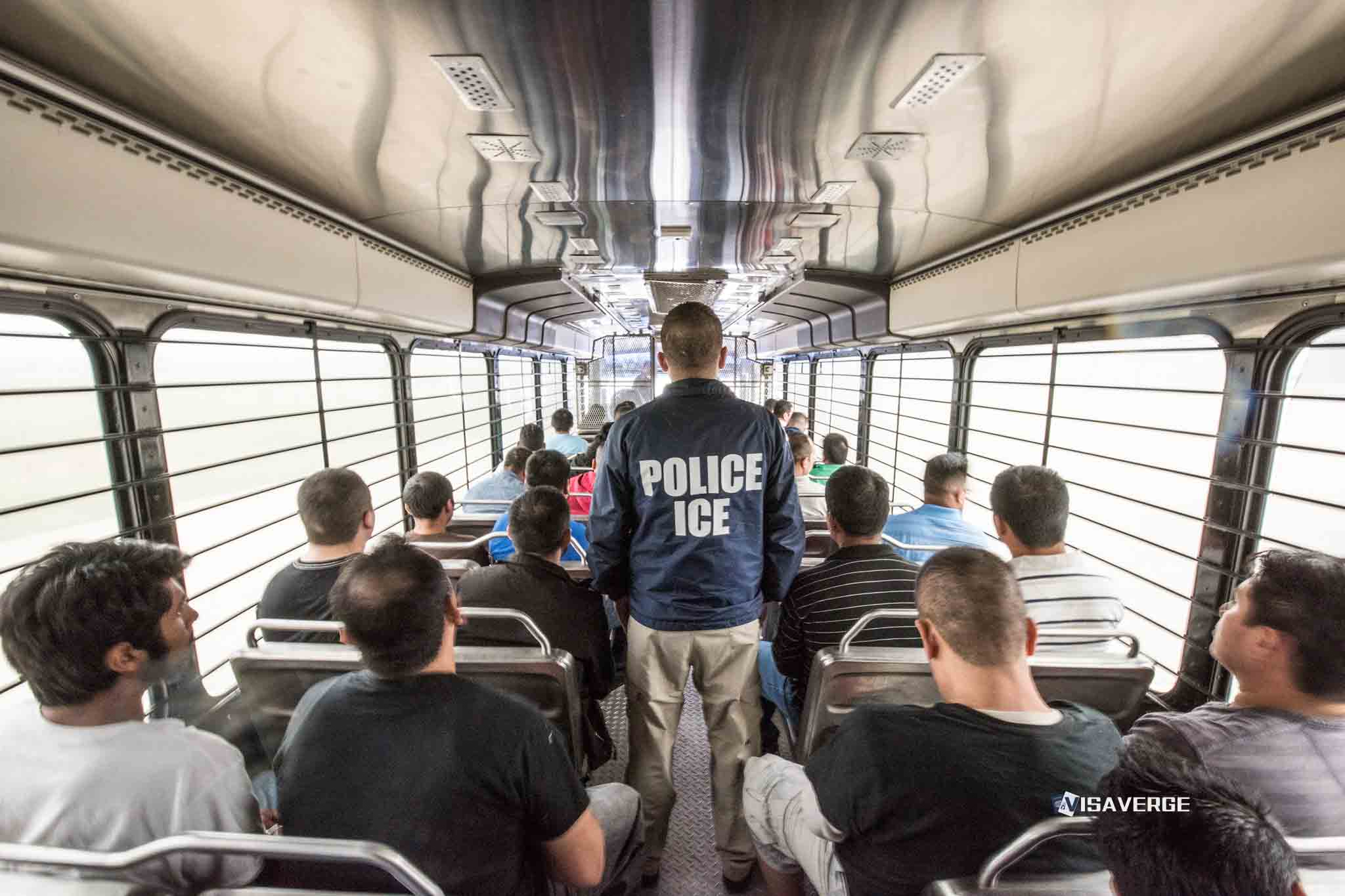
- The UK Home Office suspended sponsored study visas for nationals from Myanmar, Afghanistan, Cameroon, and Sudan.
- Home Secretary Shabana Mahmood cited a 470% surge in asylum claims from students of these nations.
- Campaigners condemned the move as exceptionally cruel and short-sighted for students fleeing conflict zones.
(UK) — The Home Office imposed an “emergency brake” to end sponsored study visas for nationals of Myanmar (Burma), Afghanistan, Cameroon, and Sudan, a move that Burma Campaign UK condemned as “exceptionally cruel and short-sighted.”
Home Secretary Shabana Mahmood justified the change by pointing to a sharp rise in asylum claims linked to students from those countries, and to what the government described as a growing share of claims made after arrival through legal routes.

The measures also cover skilled worker visas for Afghans, as set out in the government’s announcement and a subsequent change to the Immigration Rules.
Burma Campaign UK, which campaigns on Myanmar, said the decision would harm people who seek to study in Britain and would carry longer-term consequences for Myanmar.
The Home Office announced the restrictions on March 4, 2026, and implemented them through an Immigration Rules change made on March 5, 2026, with the changes taking effect on March 26, 2026.
In practice, the emergency brake targets sponsored study visas for the four named nationalities, a route that depends on an ongoing relationship between applicants and approved sponsors, meaning changes can hit both prospective students and the institutions that support them.
The announcement immediately raised uncertainty for applicants and sponsors about how the new approach will apply to people who have already started the process and to those already studying, with the impact depending on how the Home Office applies the rules.
Timing also matters because applicants and sponsors can be at different stages, from preparing submissions to waiting for decisions, and any change in the rules can affect planning for study start dates and institutional responsibilities.
Mahmood linked the decision to asylum-claim patterns. She cited a 470% surge in asylum claims from these students between 2021 and 2025.
The Home Office also said claims from legal routes now comprised 39% of the 100,000 applications in 2025 and totaled 133,760 over five years.
In figures cited by the government, country-specific spikes included Myanmar student claims rising sixteen-fold, and Cameroon and Sudan increasing by over 330%.
For Afghanistan, the Home Office cited a separate measure of the scale of claims relative to the route itself, saying Afghan study visa asylum claims reached 95% of visas issued.
The government also said that students on visas still accounted for 13% of claims despite a 20% reduction in 2025.
Those figures formed the statistical case Mahmood used to defend the emergency brake, as the Home Office framed the move as protecting the integrity of the routes it runs.
Critics, including Burma Campaign UK, rejected that framing and described the policy as punishing people from conflict-affected countries who seek to reach the UK through study.
Zoya Phan, programme director of Burma Campaign UK, criticised the policy in personal terms and argued it would damage Myanmar’s future.
“The opportunity to come to the UK to study is life-changing for the individual student but also an investment in the future of Myanmar, as people will use new skills to help their country in the future. Instead of smashing the gangs, Shabana Mahmood is smashing the hopes and dreams of young people from Myanmar seeking a better future for themselves and their country,” Phan said.
Phan also pointed to her own history. She arrived in the UK on a study visa 20 years ago before claiming asylum due to death threats from Myanmar’s military for her human rights work.
Universities and student advisers began assessing what the change could mean for admissions and support, especially for those affected by the abrupt shift in eligibility.
Higher Education Statistics Agency data cited in the criticism showed that, in 2024-25, 2,665 students from Myanmar, 575 from Cameroon, 355 from Afghanistan, and 280 from Sudan studied at UK universities.
Even small cohorts can create compliance and administrative work for universities when rules change quickly, because institutions must adjust processes for incoming students and support those already present.
The UK Council for International Student Affairs, known as UKCISA, said uncertainty remained over the impacts on new or current students.
Mahmood’s department also placed the decision in a wider narrative about humanitarian commitments. The government emphasised prior support, including sanctuary for over 37,000 Afghans since 2021.
Alongside that, it cited 190,000 humanitarian visas in 2025 as part of its argument that the UK continued to offer protection while tightening specific routes.
With the emergency brake now set to reshape access to sponsored study visas for the four nationalities named, universities, applicants and campaigners are likely to focus on how the Home Office applies the change in individual cases, and on what the policy means for people who had seen study as a safe route to rebuild their lives.
Phan said the decision would undercut those ambitions, describing it as “exceptionally cruel and short-sighted.”