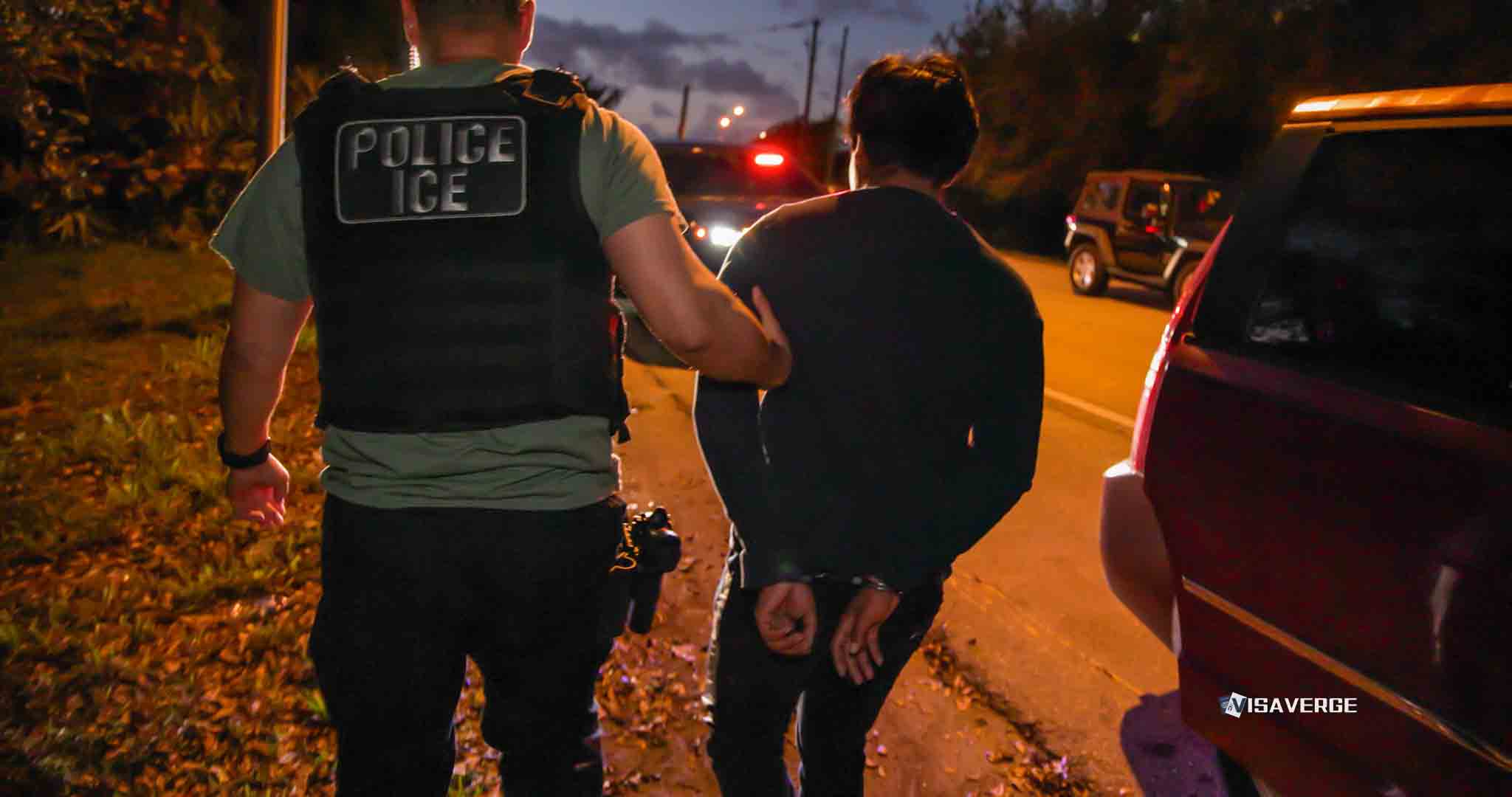
(CHARLOTTE, NORTH CAROLINA) On the first day of the “Charlotte’s Web” operation on November 15, 2025, Border Patrol agents arrested 81 people across Charlotte, according to Commander Gregory Bovino of U.S. Customs and Border Protection. The large number of arrests in a single day, carried out in busy parts of the city far from any international border, has raised sharp concern among immigrant families, business owners, and local advocates who woke up to see federal agents stopping cars and pedestrians before sunrise.
Where and how the operation unfolded
CBP began the Charlotte’s Web enforcement push early that morning, focusing on major routes including South Boulevard, an important corridor lined with small businesses and restaurants. Agents in marked and unmarked vans and SUVs were seen close to Baleada Bar and Grill and at several busy intersections, where they stopped people they believed might be in the country without legal status.

Witnesses described a heavy presence that felt sudden and unfamiliar in a city more used to workplace checks and ICE arrests than street-level Border Patrol sweeps.
A new model of interior enforcement
According to Commander Bovino, November 15, 2025 marked the first time CBP has led an immigration enforcement operation in Charlotte without working side-by-side with Immigration and Customs Enforcement (ICE) in the same locations. While ICE has carried out its own arrest actions in the city in previous years, the shift to a CBP-directed plan under the name Charlotte’s Web signals a new model of federal enforcement in the interior of the United States 🇺🇸.
That change has left many residents unsure which agency is now in charge and what rules officers are following when they stop people far from the border.
Personal accounts and community reaction
One of the most troubling accounts to surface from the first day came from Willie Aceutno, a Honduran-born U.S. citizen who said he was stopped twice by Border Patrol agents during the operation. Aceutno reported that he had all his documents with him but still faced aggressive questioning and left with scars from the encounter.
His experience has spread quickly through immigrant communities in Charlotte, where many people share his Central American background and worry that speaking Spanish or having a foreign passport might draw attention — even if they are citizens or lawful residents.
Residents who saw the Charlotte’s Web actions unfold said the sight of Border Patrol trucks and SUVs moving through ordinary Charlotte streets felt jarring. For many, Border Patrol is an agency associated with desert crossings in Arizona or river patrols in Texas, not with checkpoints near restaurants in North Carolina.
“It felt sudden and unfamiliar,” said witnesses who saw agents stopping cars and pedestrians before dawn.
Legal authority and public guidance
CBP official website describes Border Patrol’s core job as guarding the land borders and coastal areas of the country, but the agency does have authority to operate inside the United States in certain zones. Its public guidance, available on the CBP official website, explains that agents can question people about immigration status under federal law — a power that is now being tested in the daily life of a large Southern city.
What CBP has (and has not) released
So far, CBP has released only limited details about who was among the 81 people taken into custody on November 15, 2025. Specifically, officials have not said:
- Whether those arrested faced criminal charges, immigration violations, or both
- The nationality, age, or residency status of those detained
- How long the arrested individuals had been living in Charlotte
- A public list of names or case-by-case explanations
Families trying to track down loved ones have had to rely on informal community networks and calls to detention centers because there has been no full public list, case-by-case explanation, or local briefing from federal officials on the first-day results of Charlotte’s Web.
Community impact and fears
The lack of detail has added to a sense of fear and confusion, especially in mixed-status households where U.S. citizen children live with parents who lack legal immigration status. Community organizers say that even legal permanent residents and naturalized citizens are scared to drive to work or school, worried that they might still be stopped or mistaken for someone else.
With Border Patrol — rather than ICE alone — now visible on Charlotte streets, many people are unsure how to respond if they are approached or if officers come to workplaces and parking lots during the continued course of the operation.
Legal and policy implications
Local immigration lawyers, while still collecting facts, note that the way Charlotte’s Web unfolded on its first day will likely shape legal challenges and policy debates in the weeks ahead. They are watching closely to see whether CBP will provide more information about:
- Arrest standards and decision criteria
- How officers decided whom to question near South Boulevard
- What training officers had for working in urban neighborhoods far from the border
Some attorneys are especially troubled by reports that a U.S. citizen like Aceutno walked away with scars after showing his documents, suggesting possible problems with identity checks and physical confrontations.
Broader context and local response
According to analysis by VisaVerge.com, the Charlotte deployment fits into a broader pattern of federal agencies testing new enforcement strategies away from traditional border zones. The site also notes that each city reacts differently based on its politics, history, and local cooperation with federal agents.
In Charlotte, there has not yet been a clear unified response from city leaders, churches, or business groups. Early comments from residents hint at growing pressure for more transparency. People want to know:
- Whether Charlotte’s Web will continue at the same pace
- Whether more than 81 people will be targeted on later days
- How long Border Patrol plans to keep a strong footprint in neighborhoods where federal immigration agents have rarely been seen
What is confirmed
For now, the officially confirmed facts are:
- Border Patrol agents led the operation
- 81 arrests were made on November 15, 2025
- CBP worked without ICE standing beside them at each location
- The operation began before dawn in areas such as South Boulevard near Baleada Bar and Grill
The human stories emerging from that first day — from a Honduran-born citizen showing his papers twice to anxious families waiting for calls from detention centers — show how a federal decision about which agency takes the lead can change daily life in a city almost overnight. As Charlotte’s Web continues, the balance between federal power, community trust, and basic civil rights will remain at the center of every new report of vans and SUVs pulling to the curb.
This Article in a Nutshell
On November 15, 2025, CBP’s Border Patrol executed the “Charlotte’s Web” enforcement action in Charlotte, arresting 81 people in pre-dawn stops along corridors like South Boulevard near Baleada Bar and Grill. The operation, notable because CBP acted without ICE alongside agents at the same locations, used marked and unmarked vehicles and prompted community alarm. Officials released few details about detainees, heightening fears in mixed-status households and prompting legal scrutiny over arrest standards, transparency, and CBP’s urban tactics.