- Bali airport authorities offer visa flexibility for travelers affected by Middle East conflict flight disruptions.
- Foreigners must contact immigration offices immediately to avoid penalties if their permits are set to expire.
- Officials are monitoring force majeure circumstances as airspace closures in the Middle East impact international travel.
(BALI, INDONESIA) — Bali’s Ngurah Rai Airport immigration authorities urged foreign nationals affected by flight disruptions to contact immigration offices immediately, offering what officials described as guidance and flexibility as cancellations raise the risk of unintended overstays.
Rai Bugie Kurniawan, head of Bali’s Ngurah Rai Immigration Office, said authorities are “closely monitoring global developments” and will take force majeure circumstances into account when assisting travelers caught up in flight disruptions.
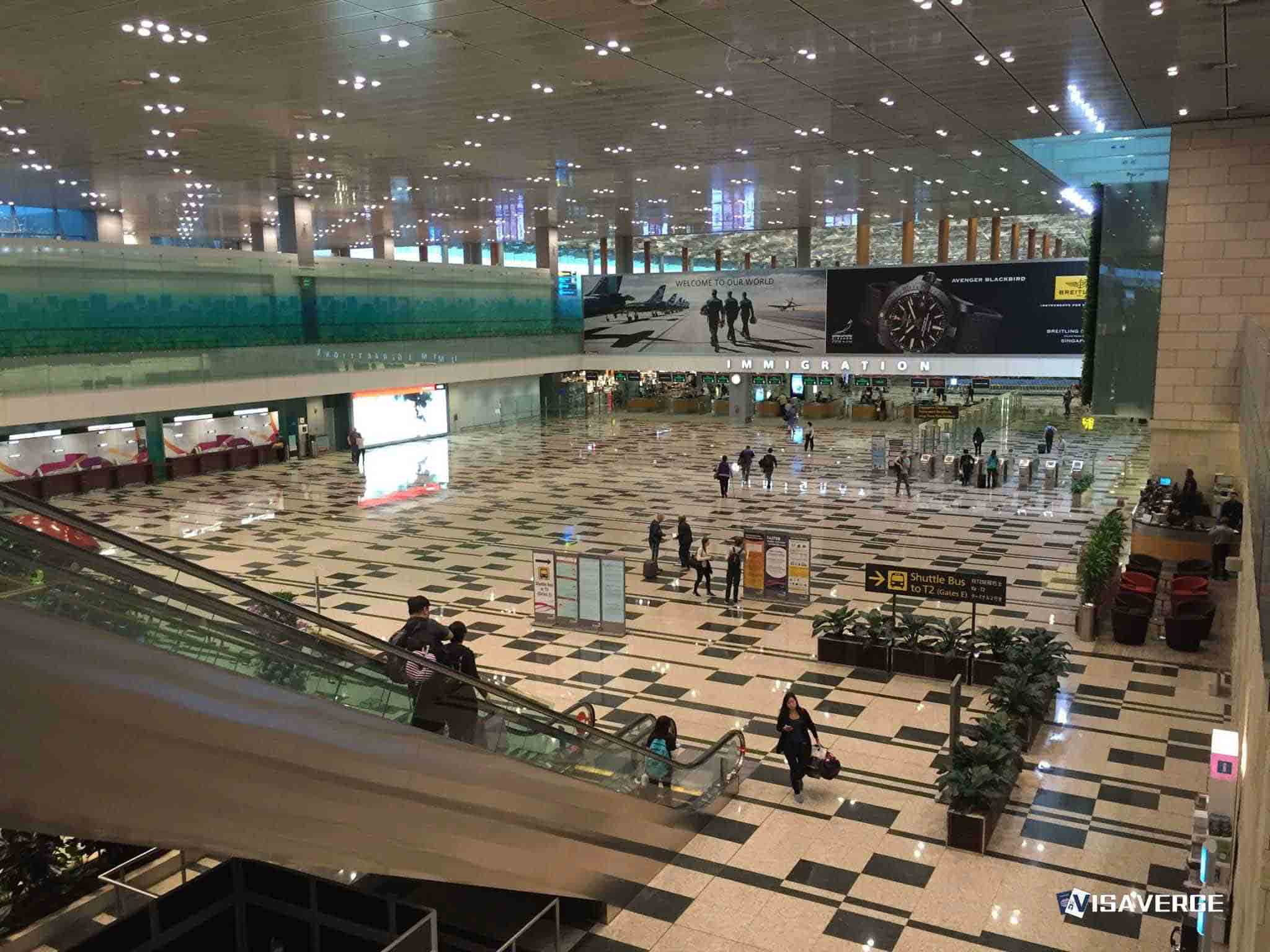
Kurniawan’s office framed the measures as a facilitation effort tied to Bali Airport Immigration operations, with officials seeking to reduce overstays while still applying Indonesia’s laws and regulations.
The disruptions follow escalating US-Israeli strikes on Iran that killed Supreme Leader Ali Khamenei, the Ngurah Rai Immigration Office said. Iranian retaliation with missile strikes on Israel and US military bases then prompted airspace closures that disrupted international flights to and from Bali.
Those closures affected Qatar, the United Arab Emirates, and Bahrain, the office said. While the immediate trigger sits far from Indonesia, the knock-on effects have reached Bali’s departure halls and transit planning.
At least five flights scheduled from Bali Airport had been canceled as of March 1 due to those airspace closures, the immigration office said. The office tied the cancellations to broader flight disruptions, including rerouting and constraints linked to regional escalation and airspace limitations.
For many visitors, the practical worry is immigration status rather than the inconvenience of rescheduling. A delayed departure, missed connection, or last-minute airline cancellation can push a traveler past the end of an authorized stay.
Bali’s immigration office told foreign nationals with expiring or expired permits due to flight disruptions to notify the nearest immigration office or Bali Airport service centers immediately for guidance. The office also urged travelers to stay in contact with Indonesian immigration authorities to avoid overstaying due to flight delays.
Kurniawan’s guidance placed the burden on communication and documentation rather than waiting it out in silence. Travelers affected by flight disruptions need to show they are engaging with officials as they seek solutions.
The office did not describe the response as blanket amnesty, and it said it would uphold Indonesia’s laws and regulations while considering flight cancellations as extenuating circumstances. The emphasis remained on orderly processing and preventing immigration violations driven by circumstances outside a traveler’s control.
To handle the surge in questions at Bali Airport, the Ngurah Rai Immigration Office deployed additional immigration staff and increased coordination with airport authorities and airline representatives, it said. Officials linked the move to managing passenger flow and preventing congestion when schedules change abruptly.
The cancellations and airspace limits can disrupt Bali travel even when local conditions are calm, because many itineraries depend on multi-leg routings. When airspace shuts, airlines may cancel segments, reroute flights, or alter connections in ways that strand travelers between plans and paperwork.
In Bali, that can translate into a sudden scramble at the airport, a chain of rebookings, or an unexpected extension of a stay. Travelers can also face missed connections when a reroute pushes an onward flight outside the connection window.
Kurniawan said the office’s priority is to “ensure immigration procedures for passengers are handled properly and efficiently.” The message signaled that Bali Airport Immigration service points aim to keep processing moving, even as schedules remain unsettled.
Officials also urged travelers to monitor developments and reduce unnecessary trips to the airport while flight plans remain fluid. International travelers, particularly those transiting through Middle Eastern countries, should check flight status before arriving at the airport, the office said.
That advisory reflects a practical aim as well as a security-driven disruption. When passengers arrive expecting a routine departure but face sudden cancellations, lines can build quickly at airline counters and service desks, and immigration processing can become more complicated.
The office’s messaging asked travelers to treat the situation as one requiring active coordination across immigration and airline channels. Staying in contact with Indonesian immigration authorities and airline representatives forms the center of the government’s approach to visa relief in a period of flight disruptions.
For travelers in Bali with permits nearing their end, the guidance points to early action rather than waiting until the last day. Promptly notifying immigration offices or Bali Airport service centers allows officials to assess each case in light of disrupted flight plans.
Recordkeeping also matters in the way Bali officials described their response. The immigration office pointed to flight changes and cancellations as extenuating circumstances, and travelers can help by retaining proof of disruption, such as airline notices and rebooking details.
Coordinating with airlines remains central because airline decisions ultimately determine whether a passenger can depart as planned or must remain in Indonesia longer. When an airspace closure forces a reroute, a traveler may lose a connection even if the first flight operates, and that can extend a stay unexpectedly.
By pairing added staffing with a request for travelers to communicate early, Bali Airport Immigration authorities signaled they want to keep the situation manageable at service points. The office’s instructions also aimed to prevent the strain that can emerge when large numbers of people seek last-minute assistance at once.
The Middle East escalation remains the driver of the flight disruptions cited by the office, and the office said it will keep watching developments. Kurniawan’s office linked that monitoring to how it accounts for force majeure circumstances while working to keep immigration procedures moving.
For now, the core message to visitors is to stay alert to flight changes, keep in contact with airlines, and notify immigration promptly if a permit may lapse because of cancellations or delays. In Kurniawan’s words, the priority is to “ensure immigration procedures for passengers are handled properly and efficiently.”