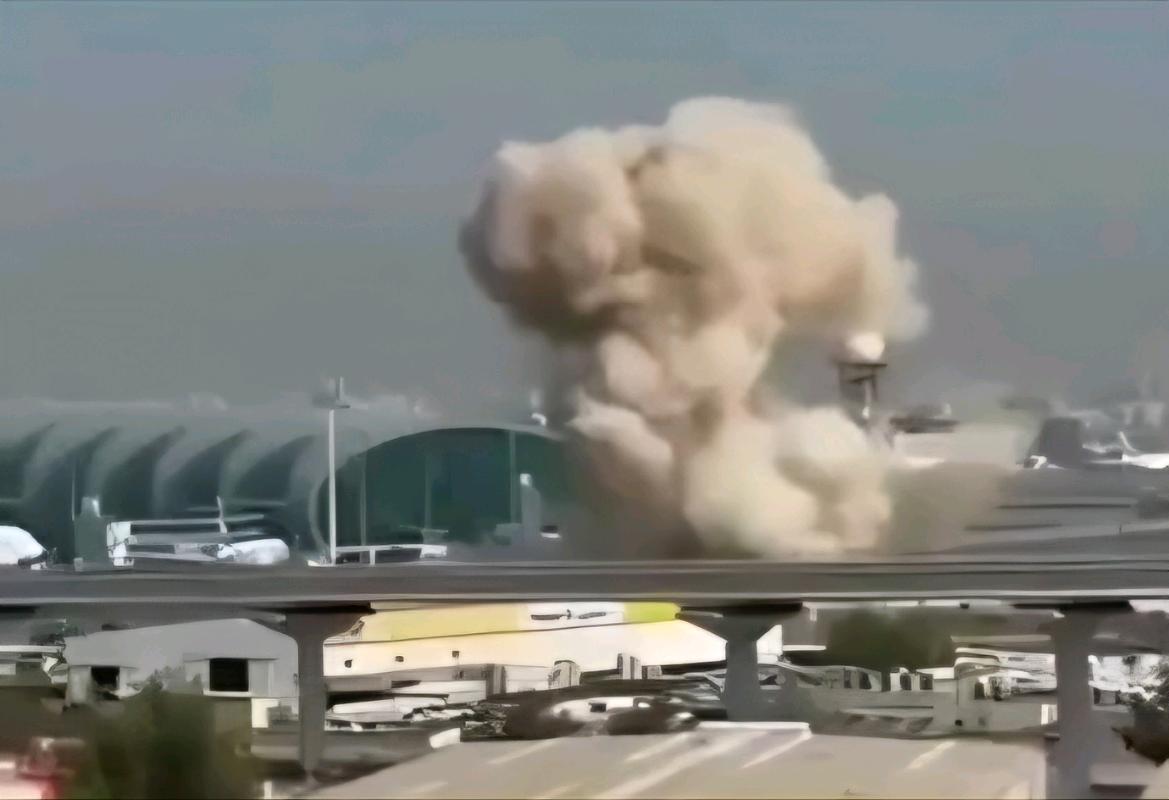
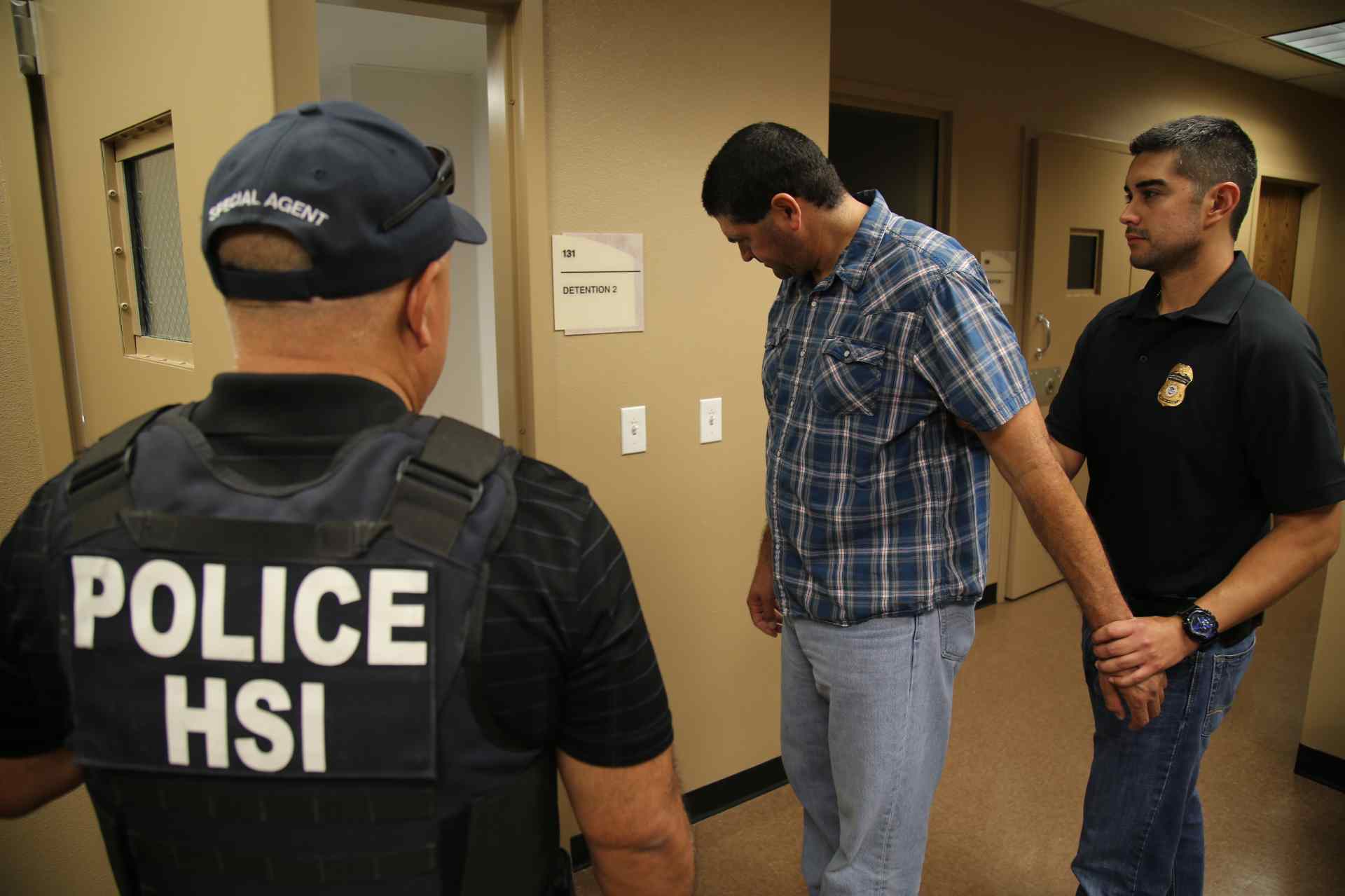
- Bahrain remains the last major Gulf hub to keep its airspace closed following regional military strikes.
- Gulf Air has suspended all scheduled flights indefinitely until safety clearances are granted by the BCAA.
- Over 115,000 travelers are affected as regional cancellations exceed 3,400 daily flights across the Middle East.
(BAHRAIN) — Bahrain’s Bahrain Civil Aviation Authority kept the country’s airspace closed on Saturday, leaving Bahrain International Airport shut and Gulf Air’s scheduled flights still fully suspended as of March 7, 2026.
The continuing shutdown makes Bahrain the last major Gulf hub still completely dark, while the UAE, Qatar and others moved toward limited reopenings or rescue operations.
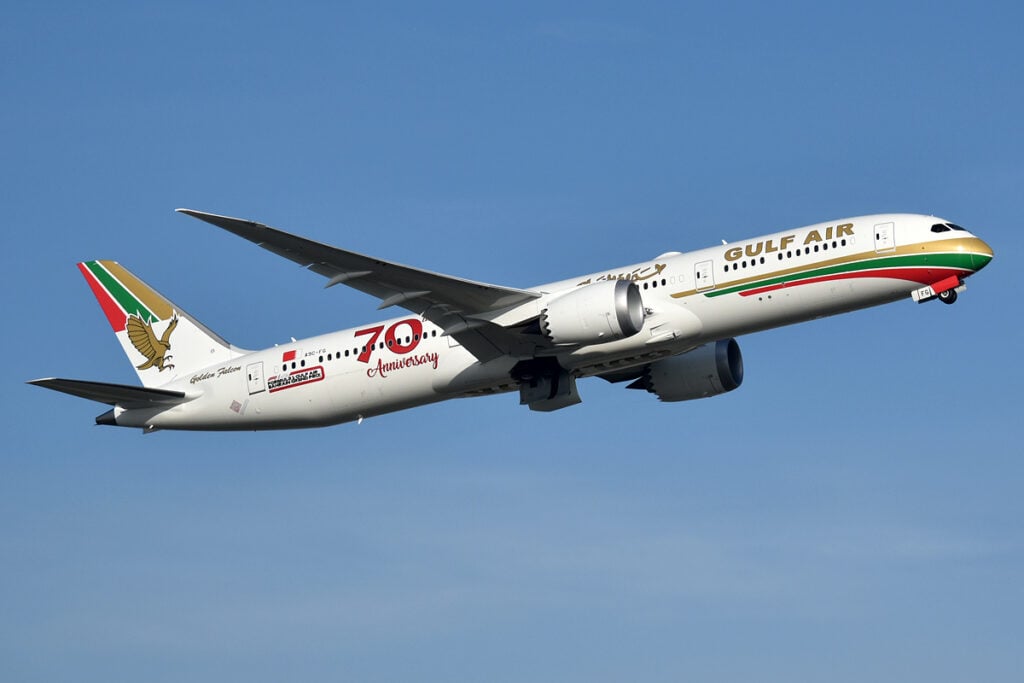
Bahrain ordered the closure as a safety measure amid the US-Israel war against Iran, cutting a major link in regional air travel and forcing airlines and passengers to reroute through a tighter network of available airports and corridors.
The disruption started after US and Israeli strikes on Iran on February 28, 2026, triggering retaliatory attacks and aviation restrictions that affected Iran, Iraq, Qatar, Bahrain, Kuwait and others.
BCAA has kept Bahrain’s skies closed for civilian flights pending full safety verification, with coordination involving military and regional partners before any reopening.
Bahrain has not issued a reopening timeline, and officials have prioritized safety assessments over phased restarts without clearance as other hubs experiment with limited activity.
Gulf Air has kept all scheduled services temporarily halted indefinitely, and confirmed in March 5-6 updates that flights will resume only after BCAA clearance.
Bahrain International Airport’s operational pause has halted arrivals, departures, diversions and rescheduling, adding to a regional chain reaction of missed connections and crowding in alternative transit points.
Gulf Air carried out ad hoc repatriation and relocation efforts for transit passengers, using aircraft from Dammam and Riyadh and flying over 400 people to destinations including Cairo, Larnaca, Mumbai and Delhi on March 4.
Across the Gulf, the aviation shock has produced repeated waves of cancellations over multiple days, with 2,800+ cancellations on March 6 and 3,400+ on March 7 across hubs, rippling globally through long-haul transit routes.
Industry-wide tallies in the region pointed to over 2,000 daily cancellations and 115,000+ travelers affected, a scale that has strained rebooking channels and left passengers dependent on irregular rescue movements and shifting route availability.
A quick scan of the regional picture shows a patchwork of airspace and airport conditions, with some locations fully closed and others operating only limited or restricted flights, complicating route planning for carriers that normally rely on Gulf connections.
Bahrain’s airport and its flag carrier now face the added work of restarting from a full standstill, including repositioning aircraft and crews, clearing passenger backlogs, and coordinating flight flows with aviation authorities and airline partners.
Bahrain’s full stop has diverged from steps taken elsewhere, with the UAE’s Dubai and Abu Dhabi moving to limited flight resumptions and airlines such as Etihad and Emirates scheduling repatriation or essential routes.
In the UAE, suspensions extended even as repositioning and cargo flights operated with approvals, and airlines offered rebooking and refunds up to March 18, reflecting a constrained return rather than a full restoration.
Qatar also moved toward limited activity, with rescue flights from abroad starting March 5 and about ~8,000 transit passengers stranded as Qatar Airways focused on backlog clearance after promising an update on March 4.
Saudi Arabia’s partial operations provided a safety valve for Bahrain-linked movements, enabling Gulf Air’s ad hoc rescues from Dammam and Riyadh while Bahrain’s airspace remained closed.
Bahrain has reported no limited passenger schedules while restrictions persist, and the situation has stood out even within a Gulf-wide disruption where larger hubs have more routing flexibility and more scope to run constrained operations under approvals.
For travelers, the immediate impact has been practical and uneven: missed connections, uncertainty over airport access, long rebooking queues, and unclear hotel or meal arrangements as schedules change across days rather than hours.
Gulf Air has directed passengers to check its website and app for updates, and advised them not to travel to the airport unless contacted, while the broader environment remains shaped by constrained nearby airspaces and routes, including areas described as closed or partial.
Government travel guidance has also shifted alongside the aviation restrictions, with Canada advising avoiding Bahrain travel as authorities across the region continue to stress that passenger safety overrides the speed of any restart.
A recovery plan has been underway involving aviation authorities, airlines and partners, but the overall normalization of networks depends on verified operating conditions and on practical readiness, including aircraft positioning, crew availability and slot and flow management once corridors reopen.
Multiple countries continue to manage restrictions, requiring coordination among aviation regulators and military stakeholders, and any phased restart remains conditional on safety verification and clearance rather than calendar targets.