- A federal audit revealed critical FAA oversight gaps in United Airlines’ maintenance practices due to staffing.
- Resource shortages led to a significant decline in inspections, with many required safety checks left uncompleted.
- The FAA used unauthorized virtual inspections to compensate for travel budget limits and personnel turnover.
(UNITED STATES) — The U.S. Department of Transportation Office of Inspector General reported on February 18, 2026 that the Federal Aviation Administration had gaps in its oversight of United Airlines’ maintenance practices, citing staffing shortages, workforce planning problems and limits on access to airline safety data.
The audit, released as Report No. AV2026014, examined FAA oversight between May 2024 and December 2025 and described how resource constraints reduced the amount of on-site work inspectors performed.
Inspectors and managers oversee an airline’s maintenance program through FAA certificate management offices, which are responsible for surveillance, inspections and other checks meant to confirm required maintenance systems work as intended. The Inspector General said those offices overseeing United did not have enough inspection resources to meet oversight needs consistently.
The audit said the FAA certificate management offices overseeing United faced high inspector turnover and lacked sufficient staffing, which contributed to fewer on-site inspections, reduced surveillance and the loss of institutional knowledge. Those operational impacts, the Inspector General said, can weaken continuity in FAA oversight and make it harder to sustain consistent inspection coverage.
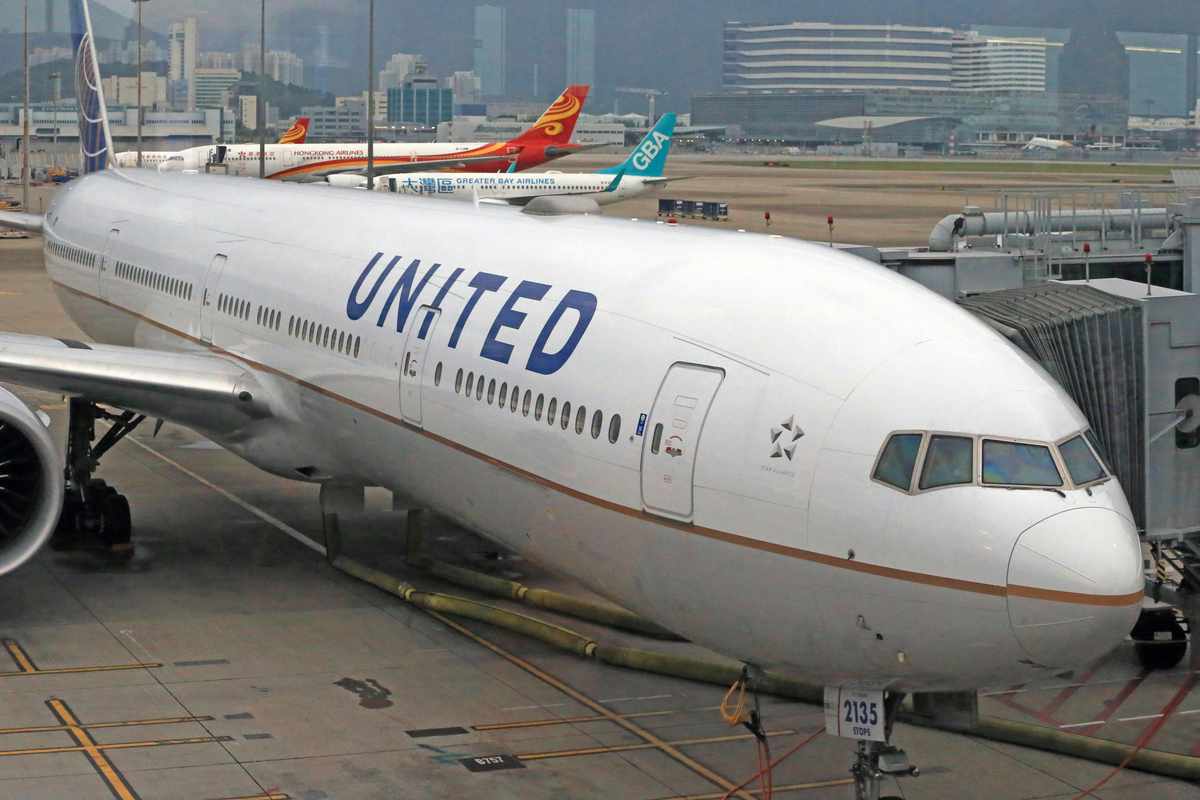
United Airlines, one of the largest U.S. carriers, operates a fleet supported by an extensive maintenance network, including company-associated repair stations and engine operations. The audit focused on FAA oversight of that footprint and how FAA staffing decisions and inspection planning translated into day-to-day surveillance.
At United-associated repair stations, the audit identified incomplete “essential maintenance provider” inspections in consecutive fiscal years. It recorded uncompleted inspections as 8 of 22 (36%) in fiscal year 2023 and 13 of 22 (59%) in fiscal year 2024 at United’s 22 domestic and international repair stations.
Those essential inspections form part of the FAA’s oversight toolkit for monitoring compliance at external maintenance providers and repair stations. The audit tied the inspection shortfalls to resource constraints and workforce issues inside the offices charged with conducting the work.
Engine oversight emerged as another pressure point in the audit’s findings. For engine operations supporting United’s fleet of over 2,000 engines, the FAA had only two dedicated inspectors, and the report said one was slated for retirement in 2026.
The Inspector General warned that limited dedicated inspection capacity for engine operations risked an expertise gap if the FAA did not manage knowledge transfer. The audit described that risk as part of a broader pattern in which staffing and planning problems could reduce the FAA’s ability to sustain specialized oversight.
Beyond the staffing numbers, the audit described how turnover disrupted coverage. When experienced inspectors leave, the report said, the FAA can lose familiarity with a carrier’s facilities, contractor networks and maintenance systems, while new staff require time to gain competence and establish routine surveillance.
The Inspector General also criticized a shift toward virtual inspections that inspectors said occurred when staffing or travel funds were limited. Inspectors reported that front-line managers directed them to conduct virtual inspections rather than on-site reviews in those circumstances.
That approach, the audit said, conflicted with FAA policy. The Inspector General said FAA policy requires rescheduling such inspections under a “resources not available” designation when personnel or travel funding prevents an on-site inspection.
The report said virtual reviews can increase safety risks by missing issues that are more readily detected in person at hangars or repair stations. It pointed to examples such as the physical condition of work areas, observation-based cues and other on-the-ground factors that are harder to evaluate remotely.
The audit framed the virtual-inspection issue as a compliance and consistency problem as much as a logistical one. If inspections that are intended to be done on site instead move online without being rescheduled under the required designation, the Inspector General said, the oversight record may not reflect the conditions inspectors would have found in person.
The Inspector General also described barriers to FAA access to United’s internal safety data systems. Those limits, the report said, hindered trend analysis for maintenance risks, reducing the FAA’s ability to detect patterns early.
Such trend analysis can help regulators identify recurring maintenance issues, spot emerging risks and prioritize oversight resources. When access is constrained, the report suggested, the FAA may have less information to guide inspection targeting and surveillance focus across a carrier’s maintenance practices.
The audit placed the data-access issue in a wider oversight context, saying similar themes appeared in prior Inspector General audits on FAA oversight at American Airlines, Southwest Airlines, and Allegiant Air. The Inspector General did not present the United review as an isolated case, but as part of recurring challenges in how FAA offices secure staffing and use data in airline oversight.
To illustrate the level of scrutiny on United during the audit timeframe, the report cited several incidents involving United flights. The Inspector General presented them as context for oversight discussions, rather than as proof of systemic failures in maintenance practices.
One event cited was a March 2024 runway excursion in Houston that required an evacuation. The audit also cited a March 2024 tire loss during takeoff in San Francisco, followed by a safe landing in Los Angeles.
A third incident cited in the report was a December 2025 engine failure on takeoff from Washington Dulles, followed by a safe return. The Inspector General included these events as part of the broader backdrop for evaluating FAA oversight systems and inspection execution.
Audits often reference prominent incidents when reviewing oversight systems because such events can increase public attention and can test how regulatory surveillance and data analysis function in practice. The Inspector General’s report, however, focused its findings on the FAA’s inspection resources, planning and access to safety information.
The FAA responded to the audit in a letter included in the report. The agency agreed with most recommendations and committed to implementing fixes by year-end 2026, the Inspector General said.
Among the actions the FAA committed to, the audit listed reevaluating staffing models. The Inspector General connected that step to the report’s broader finding that certificate management offices overseeing United did not have sufficient staffing and faced turnover that reduced on-site work.
The agency also committed to independent surveys of inspector workload and culture. The audit tied those surveys to concerns that staffing constraints and internal practices influenced how inspections were scheduled and performed, including decisions that inspectors said pushed work toward virtual inspections.
Enhanced training on airline safety data access formed another part of the FAA’s plan. The Inspector General linked that training to the audit’s findings that limited access to United’s internal safety data systems hindered trend analysis for maintenance risks.
The FAA also committed to a systemic approach to inspector capacity, the report said. The Inspector General described the need for an approach that would address resource constraints across oversight functions, including specialized areas such as engine operations.
United Airlines also responded in a statement referenced in the audit. The airline said it collaborates daily with the FAA, maintains its own internal safety management system, and advocates for adequate FAA resources.
The audit’s findings arrive amid continued attention on FAA oversight and how the agency staffs surveillance roles for large carriers. By focusing on inspection completion, workforce planning and access to safety information, the report added detail to ongoing questions about how FAA oversight can keep pace with the scale of modern airline operations.
For travelers, the audit’s discussion of oversight mechanics and data access may feel remote, but it intersects with how passengers experience the aviation system. The report centered on the systems designed to verify maintenance practices, not on passenger-facing service issues.
Members of the public who want to raise aviation safety concerns typically contact the FAA through its established safety reporting channels, and they can also report urgent issues to local airport or airline personnel at the time of travel. The Inspector General report emphasized oversight processes, while both the FAA and United described ongoing engagement on safety systems and resources.