- Operation Charlotte’s Web targets public spaces while sensitive locations like schools and churches remain largely undisturbed.
- Local officials and police refuse to cooperate with federal ICE enforcement or 287(g) programs.
- New 2026 federal rules increase community anxiety through narrowed legal pathways and expanded travel bans.
(CHARLOTTE, NORTH CAROLINA) — Federal immigration authorities have continued enforcement activity in Charlotte into 2026 under Operation Charlotte’s Web, while schools, places of worship and many workplaces remain covered by longstanding “sensitive locations” guidance that discourages raids at those sites without a judicial warrant.
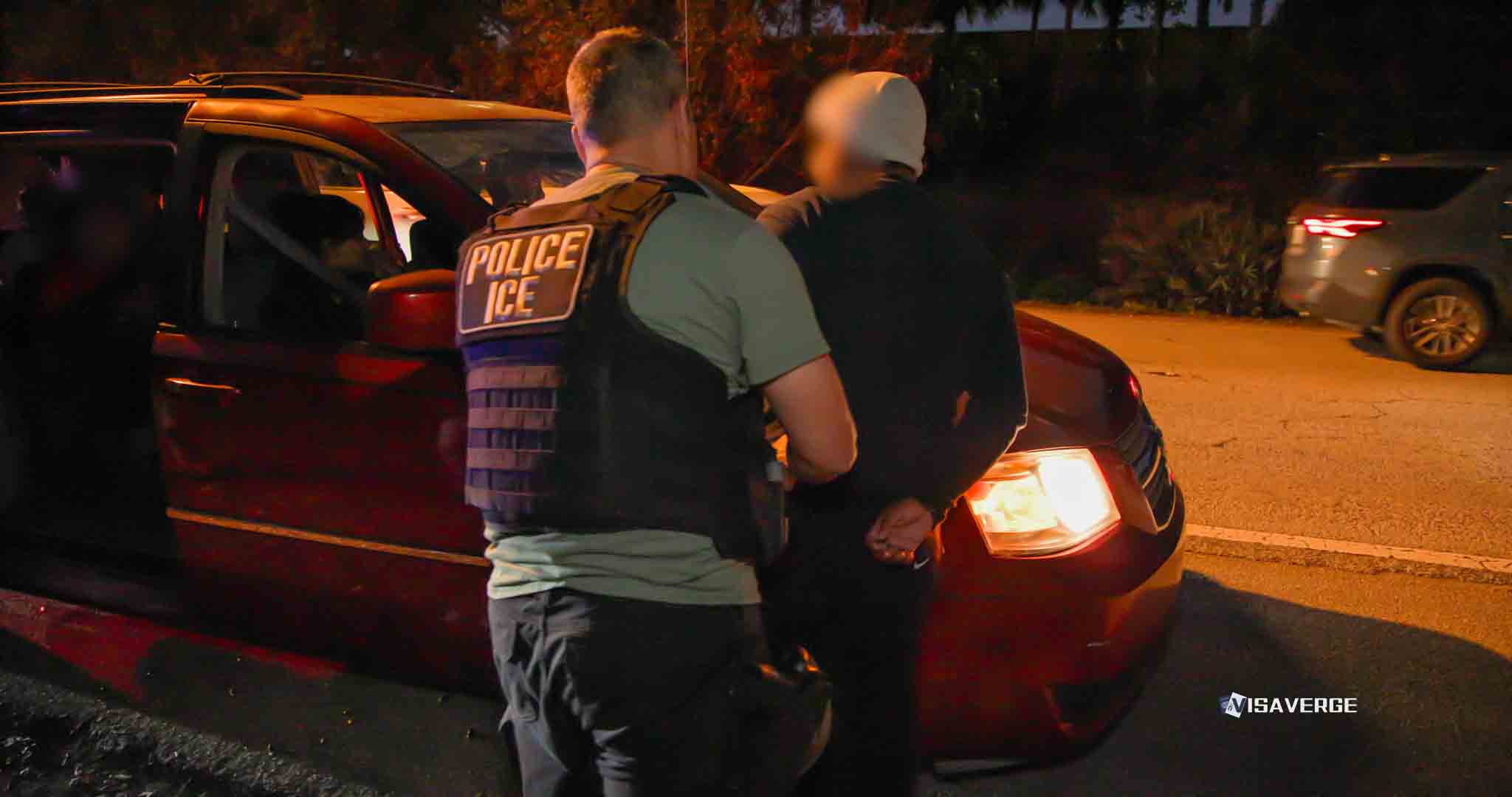
Residents have continued to post videos of marked federal vehicles making street stops near apartment complexes, bus stops and convenience stores since the operation launched on November 15, 2025. As of April 2026, advocacy monitoring and official accounts have produced no verified incidents of agents entering Charlotte-Mecklenburg Schools campuses, houses of worship or private workplaces during the operation.
That distinction matters for families across the city. ICE enforcement has intensified nationwide under expanded priorities, but in Charlotte the visible activity remains concentrated in public areas rather than inside schools, churches or job sites.
Operation Charlotte’s Web now sits inside a broader federal shift that has unfolded since late 2025. A December 2025 DHS and DOJ final rule clarified “security bars” for asylum and removals, while Proclamation 10998, effective January 1, 2026, expanded travel bans to 39 countries and paused immigrant visas from 75 nations.
Those measures did not change the ground rules for entering schools or churches, but they added to anxiety in immigrant communities by narrowing legal pathways and increasing attention on interior enforcement. Nationally, workplace raids expanded in mid-2025, disrupting businesses and leaving some factories empty and crops unharvested, though 2026 reports point to a tactical shift after economic backlash.
In Charlotte, local officials have maintained distance from federal operations. Sheriff Garry McFadden and Mayor Vi Lyles have said they receive no briefings on federal targets, and the Charlotte-Mecklenburg Police Department continues a policy of non-cooperation that includes no immigration arrests, no checkpoints and no participation in 287(g) programs.
That local stance has held even as the Department of Homeland Security increased ICE funding and pushed broader cooperation through grants tied to enforcement. Across the country, 287(g) programs have expanded in more jurisdictions, but in North Carolina, including Mecklenburg County, no new 287(g) agreements had been signed as of early 2026.
Community groups say the lack of verified entries into schools and churches reflects the continued force of ICE’s sensitive locations policy. The policy still lists schools, places of worship, hospitals and workplaces, especially those not open to the public, as places where enforcement is limited absent exigent circumstances or a judicial warrant.
That policy has changed in tone since earlier administrations. Before 2026, guidance treated sensitive locations as near-prohibitions in many cases; after executive orders and 2026 rules, federal authorities emphasized “prioritized enforcement” against public safety threats, criminals and recent border crossers, giving agents more discretion while retaining limits at protected sites.
For Charlotte-Mecklenburg Schools, the practical picture has remained steady. As of April 2026, CMS officials reported no ICE presence on campuses, including at doors, in parking lots or at school events.
Parents’ fears have not receded. Some still keep children home from class sporadically, and hotlines continue to field questions about what to do if federal agents appear near a bus stop, apartment complex or school route.
Schools continue to operate under their own protocols. Student immigration status is not shared, and officers are barred from entering without warrants, according to the guidance described by local officials and advocates.
Advocates have continued to tell families to send children to school, arrange backup pickup plans with relatives who have identification and rely on school hotlines or established community groups rather than social media rumors. False claims online, including fabricated reports of school raids, have repeatedly spread fear that keeps people away from work, school and medical care.
Places of worship have seen similar caution, but no verified entries. Churches and synagogues in Charlotte have reported protocols that mirror those in schools, with enforcement limited absent exigent circumstances and coordination expected in criminal matters.
For many congregations, the issue is less what has happened than what people fear could happen. The sensitive locations rules still apply, but they do not amount to a total ban, and that has left worshippers wary as federal activity continues in surrounding neighborhoods.
Workplaces occupy a more complicated position. Under 2026 rules, ICE can raid workplaces in Charlotte, but its policy discourages operations at non-public workplaces unless agents are pursuing enforcement priorities such as felons or gang members.
That caveat has become more important as workplace enforcement expanded nationally in mid-2025. By 2026, however, the administration showed openness to changing tactics because of labor shortages, especially involving H-2A seasonal workers.
In Charlotte, employers in construction, hospitality and tech have reported no interior raids tied to Operation Charlotte’s Web. Federal activity connected to the operation has remained visible on streets and in public spaces instead.
The legal threshold also differs between public and non-public places. ICE generally must secure a judicial warrant, not merely an administrative warrant, to enter non-public areas, including many workplaces, schools and houses of worship.
Agents may act without one in exigent circumstances, such as an imminent threat. Even then, federal guidance instructs agents to avoid “collateral arrests” in sensitive locations.
For workers, those distinctions can shape split-second decisions. Employers are not required to verify immigration status beyond I-9 forms, and CMPD does not assist ICE in workplace enforcement.
At the same time, new 2026 USCIS rules reduced Employment Authorization Documents to 18 months maximum, increasing the risk of renewal gaps. Advocates and lawyers have responded by urging workers to file early and carry clear plans for legal help if approached.
Charlotte’s business community also faces immigration changes beyond raids. The city’s tech and finance sectors, which rely on H-1B talent, have been hit by enhanced vetting and digital processing delays, while proposals include $100,000 fees for new overseas petitions, wage-based lotteries and 33% entry-level wage hikes.
Workers from the 75 countries covered by paused immigrant visas face added strain if family members abroad cannot travel or if status timelines tighten. Expanded vetting, including social media screening for visas effective March 30, has added another layer of scrutiny, though it has not changed school entry rules or the warrant standard for non-public sites.
The effects of those overlapping changes are visible in daily life. Parents still alter routines. Workers skip shifts because they fear checkpoints. Volunteers monitor federal activity from a distance and pass badge numbers and vehicle details to lawyers.
Legal support networks in Charlotte have grown in response. Hotlines distribute multilingual rights cards that tell people they have the right to remain silent, to ask for a lawyer, to refuse home entry without a warrant and not to lie or use false documents, which can bring felony risks.
Those networks now train residents not only on ICE enforcement but also on new asylum bars, expanded vetting and Employment Authorization Document changes. The focus is often immediate: how to respond if a parent is detained, how to protect a child’s school pickup plan, and how to document an encounter without interfering.
Charlotte’s immigrant population, estimated at 100,000+, has felt pressure from national policy changes even where no local raid has taken place. Travel restrictions tied to country of birth or immigration history can complicate family plans, and lawyers are watching court dockets for signs of any shift from street stops to interior operations.
For now, the visible pattern in Charlotte remains narrower than many residents fear. Federal agents continue street-focused activity under Operation Charlotte’s Web, but verified raids inside schools, churches and private workplaces have not materialized.
That does not mean those locations are off-limits. Under current rules, ICE can act near them and, in some cases, inside them, but the sensitive locations framework still discourages such operations and generally requires a judicial warrant for non-public entry.
Local resistance also remains intact. Lyles and McFadden have continued to oppose local involvement in federal immigration efforts, and Mecklenburg County has resisted pressure tied to funding and cooperation demands.
That has left Charlotte in an uneasy middle ground: more visible ICE enforcement in public spaces, stronger national pressure for cooperation through 287(g) programs, and continuing local refusal to join that system. For many families, the result is a city where routines continue, but with backup plans, legal numbers and a constant watch on the street outside.