Apple has told some employees on H-1B visas to put international trips on hold, warning that new screening rules and long waits for visa stamping at US embassies could leave them stuck outside the country for months. The advice, sent in an internal memo by immigration law firm Fragomen, comes as backlogs for interviews and document checks grow across consulates worldwide, turning routine business travel and family visits into a risky bet for foreign workers who must show a valid visa stamp to re-enter the United States 🇺🇸.
The company memo and immediate guidance
“Given the recent updates and the possibility of unpredictable, extended delays when returning to the U.S., we strongly recommend that employees without a valid H-1B visa stamp avoid international travel for now.”
The memo added that “If travel cannot be postponed, employees should connect with Apple Immigration and Fragomen in advance to discuss the risks.”
The memo underscores that Apple cannot control how quickly a consulate will clear a case once a worker leaves. Fragomen’s advice is aimed at minimizing the risk that a short trip becomes a prolonged absence.
Wider industry response
Big tech employers are issuing similar warnings as visa processing slows:
- Google, Microsoft, and ServiceNow have cautioned staff that departures can turn into long stays abroad if an interview is cancelled or a passport is held for extra checks.
- Google’s outside counsel, BAL Immigration Law, warned employees that overseas travel would “risk an extended stay outside the US,” language that has spread among foreign-born engineers in workplace chats.
Cause of delays: new social media screening and added vetting
At the center of the delays is a new social media screening requirement the US government has started applying to visa applicants. Companies say this added vetting has clogged appointment calendars at US embassies and consulates.
- Most nonimmigrants need visa stamping after travel abroad even if they already hold a valid petition approval.
- Workers report interview wait times stretching up to 12 months in some locations.
- Some employees face months-long waits just to secure an interview slot or have their passport held for administrative processing.
Real-world consequences and reported extremes
- Microsoft has warned employees that rescheduled embassy appointments, in extreme cases, have been pushed as far as 2026.
- For H-1B visa holders, consequences include:
- Lost pay
- Stalled projects
- Family strain for spouses and children on H-4 visas
- Some professionals say they were “stranded” abroad after visa stamping interviews were cancelled or delayed, turning a days-long trip into an open-ended absence.
Who is most affected
The impact is being felt most sharply among Indian professionals, who make up a large share of H-1B holders in tech and who commonly travel for weddings, funerals, and family care.
Affected visa categories include:
– H-1B (specialty occupation workers)
– H-4 (dependents)
– F (students)
– J (visiting researchers)
– M (vocational trainees)
These delays also put pressure on academic calendars and start dates for arriving students and researchers.
Career and immigration implications
People inside multinational firms describe a new layer of career anxiety:
- Managers may approve remote work for short trips, but there’s no easy fix if a consulate keeps a passport for administrative processing.
- Prolonged time outside the US can complicate:
- Green card timelines
- Medical exam windows
- Job change planning
According to analysis by VisaVerge.com, current employer travel advisories are as much about protecting business continuity as they are about protecting employees from sudden, involuntary leave.
Official guidance and practical steps
US officials have long advised applicants to plan ahead for consular processing, but the speed and unevenness of current delays have surprised many.
- The State Department’s public guidance notes that interview wait times vary by location and season, and that some applications can take longer due to security checks.
- Travelers can review current wait times at: https://travel.state.gov/content/travel/en/us-visas/visa-information-resources/wait-times.html
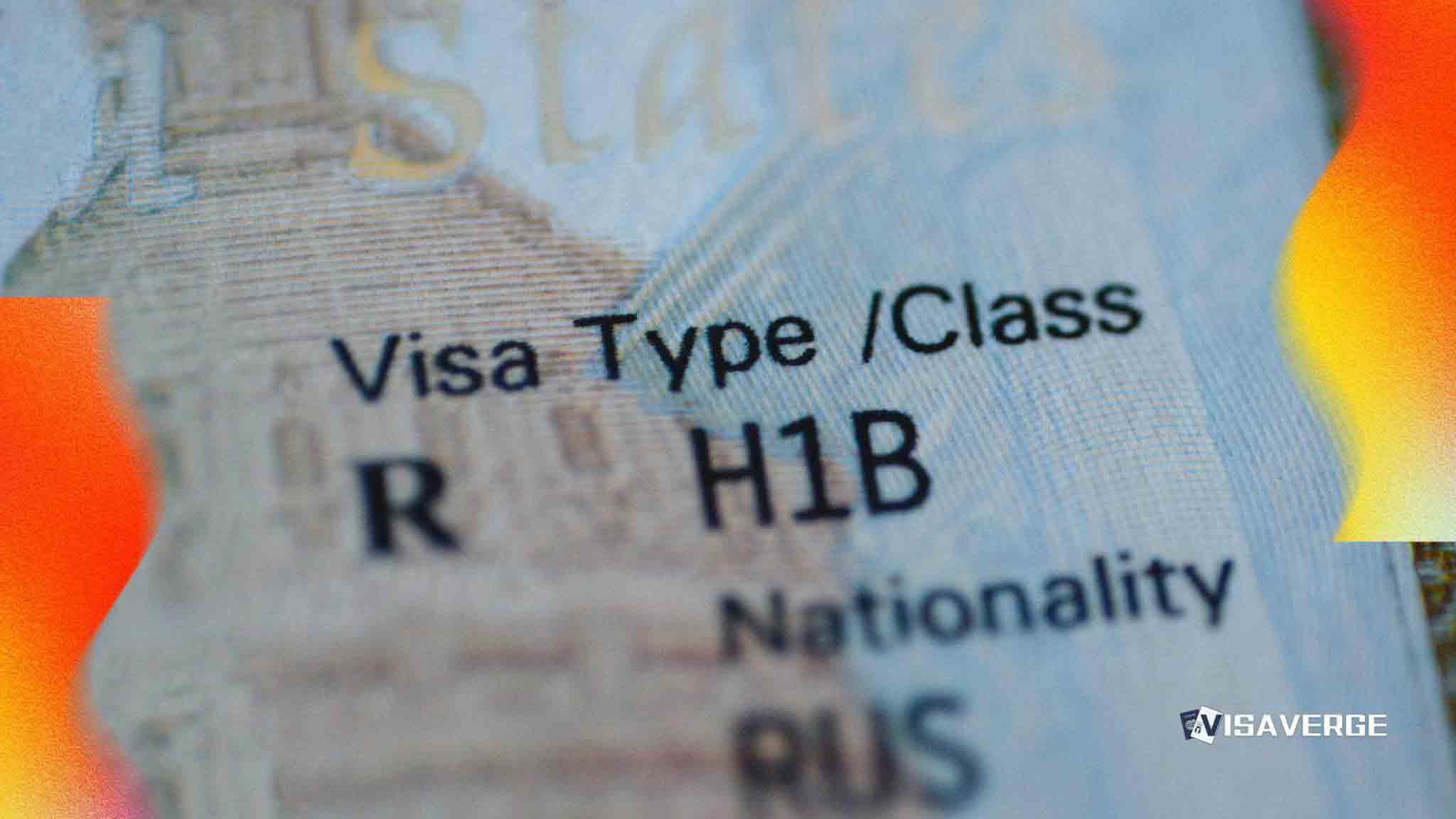
Important practical point: a petition approval notice does not replace the visa stamp in the passport needed for re-entry after travel.
Check current visa wait times and remember that petition approval does not replace a passport visa stamp. Before you travel, confirm stamp status and consider impacts on pay, projects, and dependents.
Which employees are targeted by the internal guidance
The internal guidance circulating at Apple and other firms focuses on a narrow group:
- Employees whose visa stamp has expired in their passport even though their work authorization in the US remains valid through an approved H-1B petition.
- These employees can work inside the US, but once they leave the country they generally must appear at a consulate for visa stamping before returning.
The delays also affect F, J, and M visa holders (students, visiting researchers, vocational trainees).
Employer intent and counsel activity
Employers emphasize that the travel advisories are not intended to alarm workers but to prevent avoidable disruption—especially when teams rely on specialists who may be the only person able to maintain a system or meet a client deadline.
- Ernst & Young reportedly instructed visa holders to return to the US and limit international travel where possible.
- Immigration lawyers report increased calls from anxious employees asking whether to:
- Renew a stamp now
- Wait for conditions to improve
- Cancel trips outright
Policy context and added costs
The warnings come amid broader debate over President Trump’s tighter immigration policies. The source material points to a new $100,000 annual fee imposed on H-1B visa applications in September 2025—a change that has drawn employer attention.
- While travel delays are tied to consular screening, the fee and screening measures both increase corporate immigration concerns.
- Employers worry that rapid policy shifts can leave workers bearing personal costs.
Practical recommendations (what employees are being told)
- Avoid international travel if you do not have a valid visa stamp in your passport.
- If travel is unavoidable:
- Contact your company’s immigration team and outside counsel (e.g., Fragomen) well in advance.
- Weigh timelines carefully—a single missed interview can turn a return into months.
- Consider the potential impact on pay, projects, and family members on dependent visas.
Important: Until appointment backlogs ease, employees who must travel are being urged to talk early with counsel and weigh timelines, because a single missed interview can cascade into months outside the United States.
Apple and several tech giants have issued travel advisories to H-1B workers, warning that new vetting procedures and consular backlogs are causing extreme delays. Without a valid visa stamp, employees risk being unable to return to the U.S. for months. Firms like Google and Microsoft report that some appointments are being pushed to 2026, creating significant risks for business continuity and employee stability.