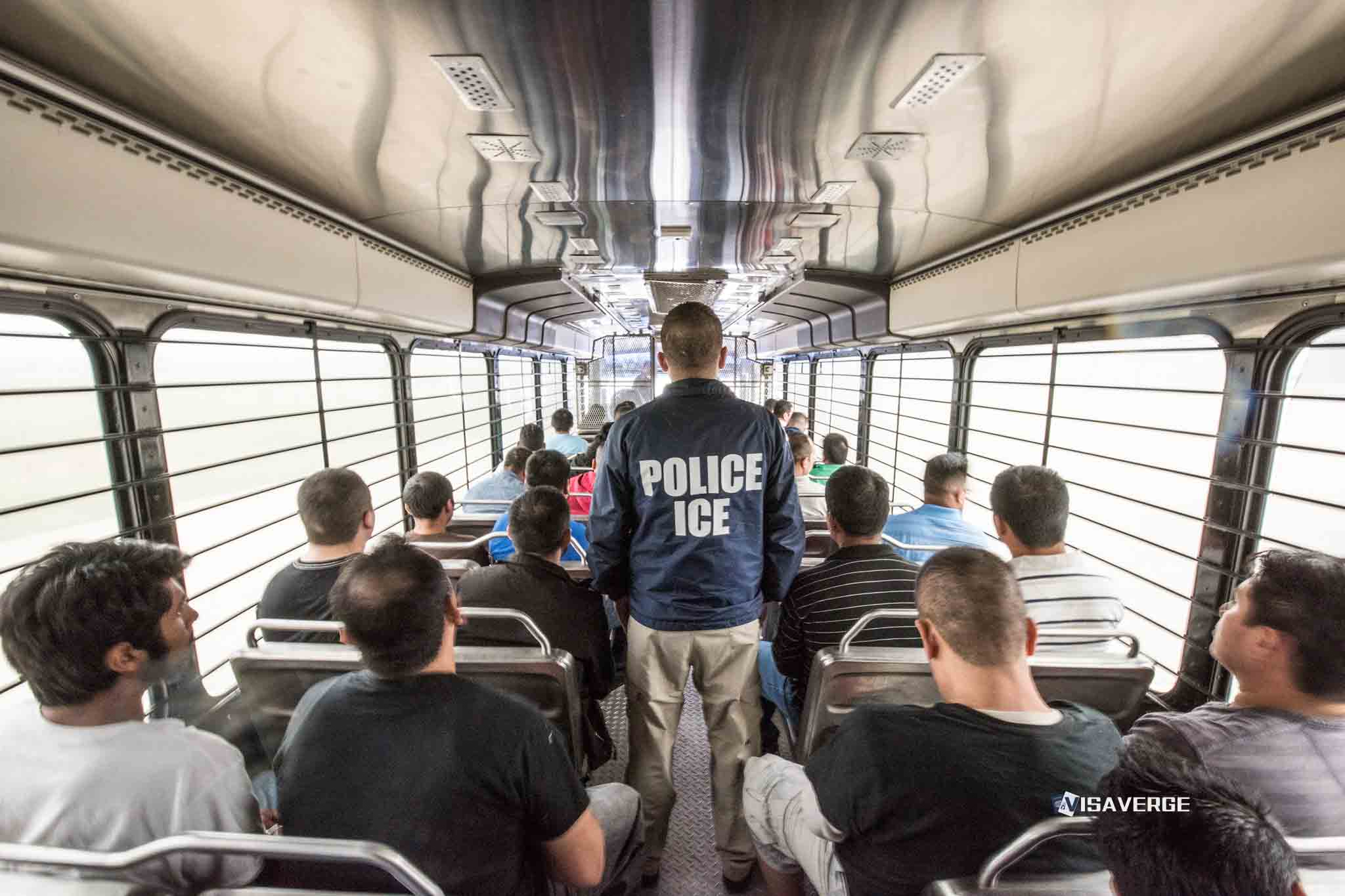
- The Fifth Circuit ruled that DHS can deny bond hearings to immigrants arrested in the U.S. interior.
- A new DOJ rule shortens appeal deadlines for detained immigrants from thirty days down to only ten.
- Up to 15,000 immigrants in Texas, Louisiana, and Mississippi face immediate mandatory detention without bond.
(UNITED STATES) — The U.S. Court of Appeals for the Fifth Circuit ruled February 6, 2026 that the Department of Homeland Security can deny bond hearings to immigrants arrested in the U.S. interior if they entered without inspection, and the Department of Justice followed with an interim final rule effective March 9, 2026 that shortens appeal deadlines in detention cases.
Together, the appellate court decision in Buenrostro-Mendez v. Bondi and the DOJ rule reshape how quickly detained immigrants must fight for release and how often they can ask judges to revisit detention, tightening pathways that lawyers have long used to seek bond and challenge custody.
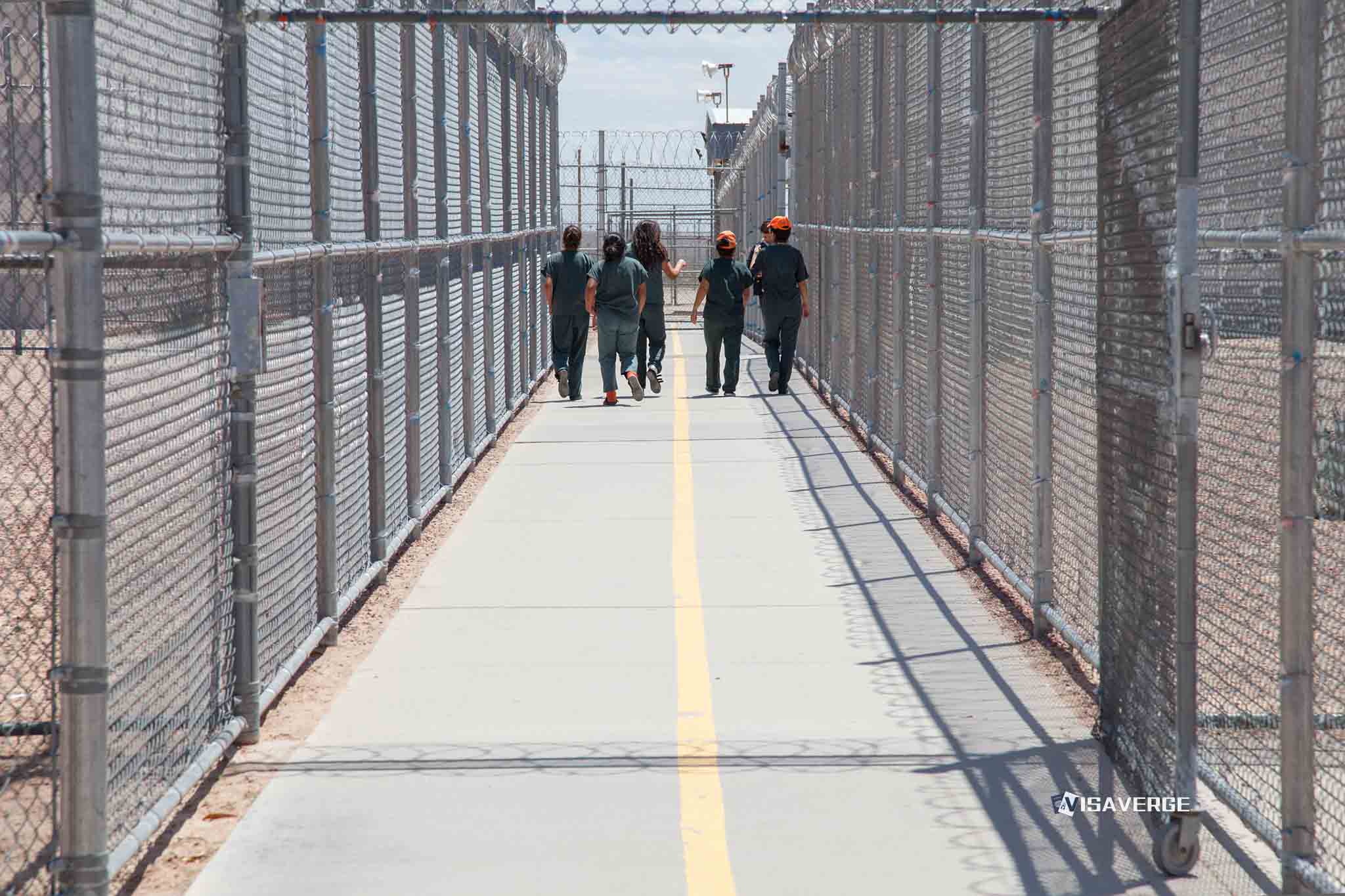
The changes focus on detention and release procedures—bond hearings, Board of Immigration Appeals review, and federal court challenges—rather than immigration benefits. Legal advocates estimate up to 15,000 immigrants in the Fifth Circuit could face immediate, no-bond detention under the ruling, while DHS data showed approximately 28,000 immigrants were held without bond in late 2025.
A divided three-judge panel held that DHS may treat people who have not been “formally admitted” as “applicants for admission” under 8 U.S.C. § 1225(b)(2)(A), even when they are arrested far from the border and have lived in the United States for years. That classification places them in a mandatory detention category where immigration judges lack authority to grant bond.
Circuit Judge Edith H. Jones wrote for the majority: “In contrast to past administrations, the current Administration has chosen to exercise a greater portion of its authority by treating applicants for admission under the provision designed to apply to them. Unadmitted aliens apprehended anywhere in the United States are ineligible for release on bond, regardless of how long they have resided inside the United States.”
By accepting the government’s reading, the court endorsed a broader use of mandatory detention than many interior-arrest cases saw for nearly 30 years, when bond hearings remained available in many circumstances. The decision changes the baseline posture for detention disputes in the circuit, even as it does not automatically resolve every due-process challenge that detainees may raise.
Attorney General Pam Bondi praised the ruling the next day. “Today’s decision is a victory for the rule of law. It confirms that the executive branch has the clear authority to detain those who enter our country illegally while their cases are adjudicated,” Bondi said.
ICE also welcomed the decision in a statement. “ICE welcomes the decision as a necessary tool to protect public safety and maintain immigration enforcement priorities. ICE has the law and the facts on its side, and it adheres to all court decisions until it ultimately gets them shot down by the highest court in the land.”
Judge Dana M. Douglas dissented, warning that the government’s approach would stretch border-style detention rules into the interior. “In sum, the government’s proposed reading of the statute would mean that, for purposes of immigration detention, the border is now everywhere. Many of the people detained are the spouses, mothers, fathers, and grandparents of American citizens,” Douglas wrote.
Beyond bond hearings, the Fifth Circuit ruling also narrowed the scope of habeas corpus petitions, requiring a “higher threshold” for immigrants to challenge prolonged detention in federal court. That legal backdrop matters because detainees often turn to federal court when custody extends for months while immigration cases move slowly.
The DOJ interim final rule effective March 9, 2026 adds pressure on detained people to act faster once an immigration judge denies release. The rule cuts the time to file an appeal to the Board of Immigration Appeals from 30 days to 10 days, and it restricts the filing of “reply briefs.”
The compressed deadline can limit how much evidence and legal argument a detainee can assemble while in custody. Lawyers often seek records, translation of documents, and declarations from family members and employers, work that becomes harder when a client is detained and access to phones, law libraries, and counsel varies across facilities.
The appeal changes also interact with mandatory detention, because people who cannot obtain a bond hearing—or who lose a release request—have fewer procedural steps to slow detention or to negotiate alternatives. Faster calendars can shift leverage in cases where detainees weigh whether to keep litigating from custody or pursue other case outcomes.
Legal advocates estimate up to 15,000 immigrants in Texas, Louisiana, and Mississippi could face immediate, no-bond detention under the Fifth Circuit’s approach. DHS data showed approximately 28,000 immigrants were held without bond in late 2025, and that number is expected to surge.
The geographic reach of the Fifth Circuit means detention and bond-hearing expectations now diverge more sharply by location, with Texas, Louisiana, and Mississippi sitting inside the decision’s footprint. Immigrants detained there can face a different baseline detention posture than similarly situated detainees held elsewhere.
Other circuits continue to grapple with related questions, creating uneven outcomes across the country. As of March 4, 2026, the Ninth Circuit was reportedly questioning DOJ attorneys on these same policies, signaling the kind of circuit split that can drive national attention to detention authority and raise the stakes for potential Supreme Court review.
For families, the practical effects can be immediate when a long-term resident arrested away from the border becomes ineligible for bond solely because the person lacks a prior formal admission. The court record cited cases involving residents since 2001 and 2009, reflecting how the interpretation can reach people with deep ties in the United States.
The detention locations also shape access to counsel and communication, with some detainees held in facilities such as the Adelanto Detention Center or the North Lake Processing Center. Distance from home, limits on phone access, and the strain of arranging representation can intensify when appeal windows shrink.
Implementation now turns on how immigration officers, immigration judges, and government lawyers apply the Fifth Circuit’s mandatory detention interpretation and the DOJ’s new BIA deadlines in day-to-day cases. Updates and statements from federal agencies, including the USCIS newsroom, DHS news, and Justice Department news, will signal how quickly these changes settle into routine practice across detention dockets.