

(WASHINGTON, D.C.) — A federal court fight over the Trump administration’s $100,000 H-1B visa fee has moved to the D.C. Circuit, after a major December 23, 2025 district court ruling upheld the proclamation-based fee for certain workers abroad.
The decision lands as employers close out FY 2026 cap season operations, with most cap-subject workers already expected to have begun H-1B employment on October 1, 2025. The new fee changes the cost math for late-year consular cases and for employers planning FY 2027 hiring.
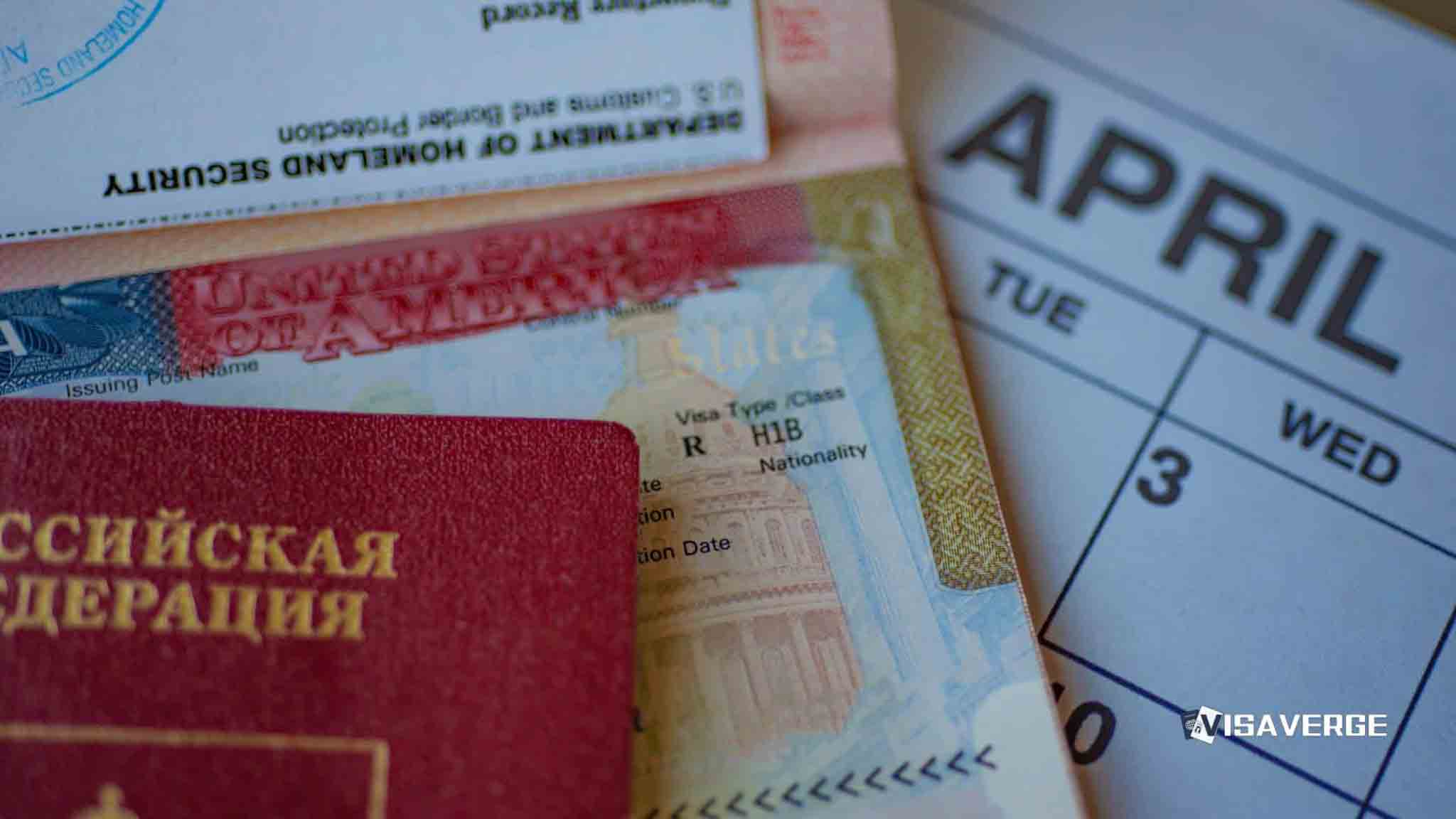
The fee stems from a Presidential Proclamation titled “Restriction on Entry of Certain Nonimmigrant Workers.” The proclamation set a new payment requirement for some petitions tied to entry from abroad. The Chamber of Commerce appeal now puts the policy’s long-term durability in question.
⚠️ Employer Alert: The $100,000 fee is separate from standard H-1B filing fees. It can apply even when a case is otherwise cap-selected and approvable.
What the court ruling means right now
On December 23, 2025, U.S. District Judge Beryl A. Howell upheld the proclamation-based fee in Chamber of Commerce of the USA v. U.S. Department of Homeland Security (No. 1:25-cv-03675). The ruling found broad presidential authority under INA § 212(f).
After that decision, the U.S. Chamber of Commerce filed an appeal at the U.S. Court of Appeals for the D.C. Circuit. A separate lawsuit by 20 states led by California also challenges the policy, including under the Administrative Procedure Act.
For employers and employees, the practical question is narrower: whether the beneficiary is outside the United States and needs consular processing without a valid H-1B visa. That is the fact pattern that triggers the proclamation’s fee.
Who is impacted by the $100,000 H-1B fee
The proclamation’s fee took effect September 21, 2025, following signature on September 19, 2025, per the policy summary. It targets certain new H-1B petitions where the beneficiary is abroad.
Generally covered scenario
– New H-1B petition
– Beneficiary is outside the U.S.
– No valid H-1B visa
– Employer must pay via Pay.gov before filing, per the policy summary
Generally exempt scenarios
– Petitions filed before September 21, 2025
– Extensions, amendments, or changes of employer for workers already in the U.S.
– Change of status cases filed for people already in the U.S., such as F-1 to H-1B
National Interest Exceptions may exist, but USCIS guidance described a high threshold for approval.
💼 Employee Tip: If you are in the U.S. on F-1 and changed status to H-1B, confirm your I-94 status. That can avoid consular steps that trigger extra costs.
FY 2026 cap season timeline and where it stands now
FY 2026 cap-subject selection occurred earlier in 2025. The filing window ran into summer 2025. Employment start was October 1, 2025.
| FY 2026 Milestone | Date |
|---|---|
| Registration Opens | March 7, 2025 |
| Registration Closes | March 24, 2025 |
| Selection Notification | By March 31, 2025 |
| Filing Window Opens | April 1, 2025 |
| Employment Start | October 1, 2025 |
Most FY 2026 cap-subject cases were filed by June 30, 2025, consistent with the typical cap filing window. The new fee mostly hits cases that still need consular issuance later in 2025.
Lottery mechanics: one registration per beneficiary
USCIS now runs a beneficiary-centric selection system. That means one registration per person, even if multiple employers submit registrations. It limits duplicate-entry strategies and supports fraud detection.
Implications
– For employers: A second sponsor does not double the odds. Recruit and file accordingly.
– For employees: Reduces pressure to collect multiple registrations from different employers.
FY 2026 selection numbers and comparison to FY 2025
USCIS publishes official counts each year. Those numbers drive selection rate estimates, and they can vary by reporting method.
For context, FY 2025 was marked by very high demand. Public reporting in that cycle showed hundreds of thousands of registrations. Selection rates were well under 50% in most estimates.
FY 2026 continued to be competitive, with the beneficiary-centric system tightening the effect of multiple filings for the same person.
Because USCIS’s final FY 2026 selection totals and denial rates change through the year, employers should track updates in the USCIS H-1B cap season releases. Employees should ask sponsors whether their case was filed, receipted, and approved.
📊 FY 2026 Stats: H-1B cap supply stayed fixed at 85,000 total slots. That includes 65,000 regular cap and 20,000 master’s cap.
What happens after selection, and after non-selection
If selected
1. Employer files the LCA and the Form I-129 package within the filing window.
2. USCIS may issue an RFE on specialty occupation, wage level, or employer-employee relationship.
3. If approved with change of status, work can begin October 1.
4. If consular processing is required, the worker applies for the visa abroad.
If not selected
– The registration does not convert into a case. The worker must find another path.
– Employers should plan for a full-year hiring cycle, including contingency work authorization.
Specialty occupation and wage level remain core issues
USCIS scrutiny remains heavy for roles with broad duties or low wage levels. Level I wages face more questions.
Employers must pay the higher of the prevailing wage or actual wage. Prevailing wage depends on the SOC code and location. Wage level should match duties and required experience.
Cost impact: how $100,000 fits into normal H-1B fees
The proclamation fee sits on top of standard filing costs. It also raises compliance questions about who pays.
| Fee | Amount | Required |
|---|---|---|
| Registration | $215 | Yes |
| I-129 Filing | $780 | Yes |
| ACWIA | $750–$1,500 | Yes |
| Fraud Prevention | $500 | Yes |
| Premium (optional) | $2,805 | No |
| Proclamation fee | $100,000 | Applies to certain cases |
Employers must pay required employer fees. Employees cannot be made to pay employer-required fees through reimbursement. That can trigger DOL wage violations.
Alternatives for workers not selected, or blocked by cost
Options depend on the employer, role, and worker’s background.
| Option | Best for | Notes |
|---|---|---|
| Cap-exempt H-1B | Universities, nonprofit research, affiliated hospitals | No lottery. File year-round. |
| O-1 | High-achievement talent | Strong evidence required. Faster if profile fits. |
| L-1 | Multinational transfers | Requires qualifying overseas employment. |
| TN | Canadian and Mexican professionals | Limited to listed professions. |
| E-2 / E-1 | Treaty investors or traders | Nationality and business requirements apply. |
| STEM OPT | F-1 STEM graduates | Works as a bridge to next cap cycle. |
Hospitals and universities should check cap-exempt eligibility early. Startups should model costs, including possible consular fee exposure.
Looking ahead: FY 2027 and the proposed selection change
DHS announced a final rule on December 23, 2025, effective February 27, 2026, to replace the lottery with a weighted selection process favoring higher-paid and higher-skilled workers. Implementation timing matters for FY 2027, because registration typically opens in March.
Projected FY 2027 timing remains familiar. Employers should plan as if registration opens in early March 2026, unless USCIS announces changes.
📅 Key Date: February 27, 2026 is the stated effective date for the DHS final rule on weighted H-1B selection.
What employers and employees should do this week
Employers
– Inventory FY 2026 approvals requiring consular processing.
– Flag beneficiaries abroad without valid H-1B visas.
– Confirm whether the proclamation fee applies before scheduling travel.
– Begin FY 2027 planning in January 2026: start prevailing wage analysis and job description clean-up.
Employees
– Confirm whether the case was change of status or consular.
– Workers abroad should ask whether the employer plans to seek a National Interest Exception.
– Confirm the SOC code and wage level.
– Align degree field to duties, and gather transcripts and evaluations now.
📋 Official Resources:
– H-1B Program: H-1B Program
– Cap Season: Cap Season
– Prevailing Wages: Prevailing Wages
Recent court rulings have upheld a significant $100,000 fee for H-1B beneficiaries located abroad, prompting a high-stakes appeal by the U.S. Chamber of Commerce. This fee applies to new petitions requiring consular processing. As the FY 2026 season concludes, employers must navigate these rising costs while preparing for a new weighted selection system in FY 2027 that prioritizes high-skilled, high-wage workers, moving away from the traditional lottery.


