A&O Shearman has detailed new work supporting immigrants held in immigration detention after a landmark settlement with Suffolk County, New York, and a series of pro bono efforts on both sides of the Atlantic. The firm, formed from the merger of Allen & Overy and Shearman & Sterling, says its lawyers have helped secure release from custody, challenge poor jail conditions, and push for better healthcare for people caught in detention under United States 🇺🇸 immigration policies. According to analysis by VisaVerge.com, the latest report places the firm’s partnership work, especially with Bail for Immigration Detainees, at the center of growing legal pressure over how migrants are held and treated.
The Suffolk County settlement (May 2025)
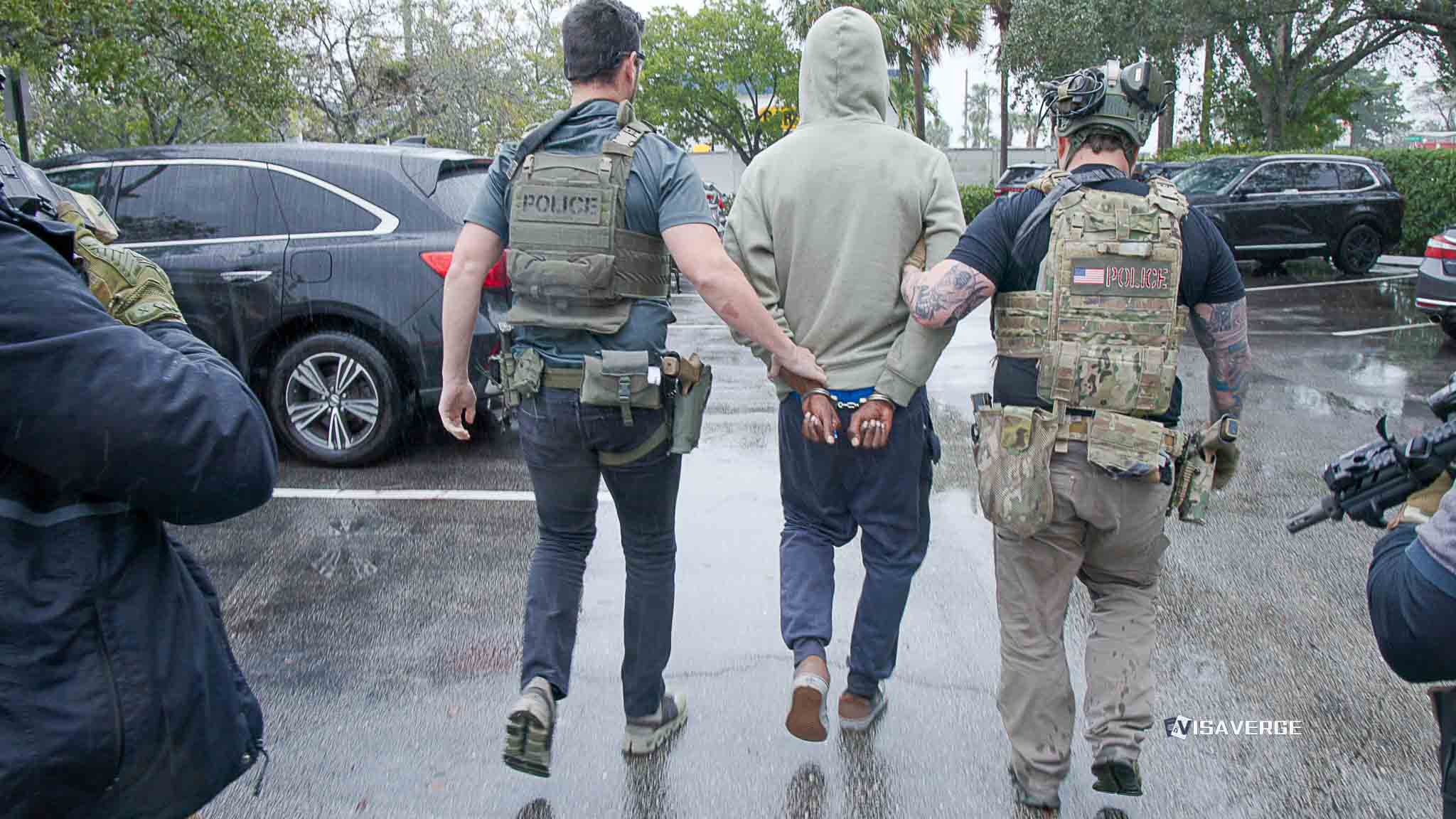
Central to that pressure is a settlement reached in May 2025, when A&O Shearman, working with the New York Civil Liberties Union (NYCLU), ended a long-running class-action lawsuit against Suffolk County. The case, first filed in 2012, targeted what plaintiffs called unconstitutional and inhumane conditions at the Riverhead and Yaphank jails, where many immigrants and other detainees were held.
Court papers described a range of problems, including:
- Overcrowding
- Defective plumbing and sewage overflows
- Poor water and air quality
- Rodent and insect infestations
- Mould, rust, and freezing temperatures inside the facilities
Under the agreement, Suffolk County must carry out structural improvements to the jails and pay $18 million to people affected by the conditions. Partners Daniel Laguardia and John Nathanson of A&O Shearman said in a statement that the deal:
“represents a significant step forward in protecting the rights and dignity of those impacted.”
While the case covered both immigrants and U.S. citizens, rights groups say the ruling is especially important for people in immigration detention, who often have limited access to lawyers and outside support.
Pro bono bail work and individual representation
The report highlights a broad set of pro bono projects run by A&O Shearman for people held under immigration rules. In partnership with Bail for Immigration Detainees, the firm’s lawyers have:
- Advised asylum seekers on their rights to apply for bail
- Prepared legal arguments and explained court procedures
- Helped detainees collect documents to ask a judge for release from custody
Named lawyers involved include George Byrne Hill, Jack Mellett, Ella Wardlaw, and Zach Deaton.
Key outcomes and impacts:
- Successful bail applications that allowed some clients to leave detention while their asylum claims moved forward
- For many migrants, bail can mean the difference between months or years in closed facilities and the chance to live with family or community sponsors while awaiting hearings
- Legal support on bail is often complex for people fleeing war, persecution, or domestic violence, who may be traumatised and unfamiliar with legal systems
European Court of Human Rights interventions
Ella Wardlaw has also participated in work before the European Court of Human Rights, supporting interventions linked to immigration detention in cooperation with Medical Justice and Bail for Immigration Detainees.
These interventions aim to:
- Show how detention and removal policies affect the health and basic rights of migrants
- Link European cases to broader debates about government use of detention
- Emphasise the duty to provide safe, clean conditions for anyone deprived of liberty
Healthcare and medical challenges in detention
Beyond conditions inside jails, A&O Shearman has joined lawsuits focusing on healthcare in detention, which campaigners describe as a human rights crisis for many people held under immigration rules.
Work in this area includes collaboration with:
- New York Lawyers for the Public Interest (NYLPI)
- Marashi
Campaigns challenge gaps in medical care for detained migrants, including people with serious physical or mental health conditions. Advocates warn that, without strong oversight, detention facilities can fail to provide basic treatment, which can worsen illnesses and put lives at risk.
Day-to-day immigration court work
The firm’s report also documents routine representation in U.S. immigration courts. Lawyers such as Zach Deaton have:
- Represented clients in asylum proceedings
- Worked to secure release from detention run by Immigration and Customs Enforcement (ICE)
People held by ICE have the right to seek legal advice, but many lack funds to hire private lawyers, making pro bono support from large firms particularly important.
Maintain a private log of court dates, visits, and any health concerns while detained, and share updates with your lawyer promptly so they can advocate for release or better conditions without delays.
For official information about immigration detention facilities and oversight in the United States, see ICE’s detention facilities page at the Department of Homeland Security: ICE detention facilities.
How individual cases and class actions work together
Rights groups say the mix of individual casework and large class-action litigation described in the report reflects how the legal system can respond to detention problems:
- Direct client support:
- Lawyers meet clients in visiting rooms, explain options, and try to win release or better treatment.
- Systemic litigation:
- Firms bring claims over conditions that can affect thousands, as in the Suffolk County case.
A&O Shearman’s report argues that both levels are needed if long-standing problems in detention systems are to be reduced.
Personal and systemic impacts
For people held in immigration detention, the effects of these legal efforts can be both direct and personal:
- A successful bail application can reunite a parent with children, allow access to proper medical care, or provide relief from confinement stress.
- Changes ordered through settlements (e.g., plumbing repairs, better heating) can improve living conditions from freezing and filthy to meeting basic health standards.
- The $18 million compensation in the Suffolk settlement is also intended to signal that local authorities cannot ignore complaints about dangerous conditions.
Wider context and the role of large law firms
The report arrives as large law firms face growing questions about their role in public life. By highlighting work with Bail for Immigration Detainees and other partners, A&O Shearman is making the case that commercial firms can still play a part in defending basic rights.
How widely this model is adopted will shape future fights over immigration detention and the legal responses to conditions and healthcare in detention systems.
Key people and organisations (summary table)
| Role / Organisation | Names / Notes |
|---|---|
| Firm | A&O Shearman (merger of Allen & Overy and Shearman & Sterling) |
| Settlement partners | New York Civil Liberties Union (NYCLU) |
| Pro bono partners | Bail for Immigration Detainees, Medical Justice, New York Lawyers for the Public Interest (NYLPI), Marashi |
| Named lawyers | Daniel Laguardia, John Nathanson, George Byrne Hill, Jack Mellett, Ella Wardlaw, Zach Deaton |
| Settlement amount | $18 million (Suffolk County) |
| Notable jails | Riverhead, Yaphank |
| Official info | ICE detention facilities |
Important takeaway: legal work ranges from individual bail and asylum support to multi-decade class actions — both are necessary to improve conditions and healthcare for people in immigration detention.
A&O Shearman details pro bono and litigation work defending people in U.S. immigration detention. The firm teamed with NYCLU, Bail for Immigration Detainees and Medical Justice to secure bail releases, challenge dire jail conditions, and press healthcare claims. A landmark May 2025 Suffolk County settlement requires $18 million in compensation and structural jail improvements after findings of overcrowding, sewage problems, infestations and poor medical care. The report argues combining individual representation and systemic class actions is essential to protect detainees’ rights and improve detention standards.