- Gulf authorities reopened controlled air corridors following a significant reduction in Iranian missile and drone threats.
- US and Israeli strikes degraded Iran’s air defenses and launch capabilities by over 80% since late February.
- Airlines remain cautious as overflight routes stay constrained despite phased restarts in Qatar and the UAE.
(GULF) — Gulf aviation authorities reopened parts of Gulf airspace in controlled corridors this week as US and Israeli strikes since February 28, 2026, sharply reduced Iran’s ability to threaten regional skies with ballistic missiles, drones and air defenses.
Airlines and regulators across the region linked the phased restarts to what US and Israeli officials and analysts described as a steep drop in Iran’s launch tempo and air-defense coverage, even as operations continued against missile production and support infrastructure.
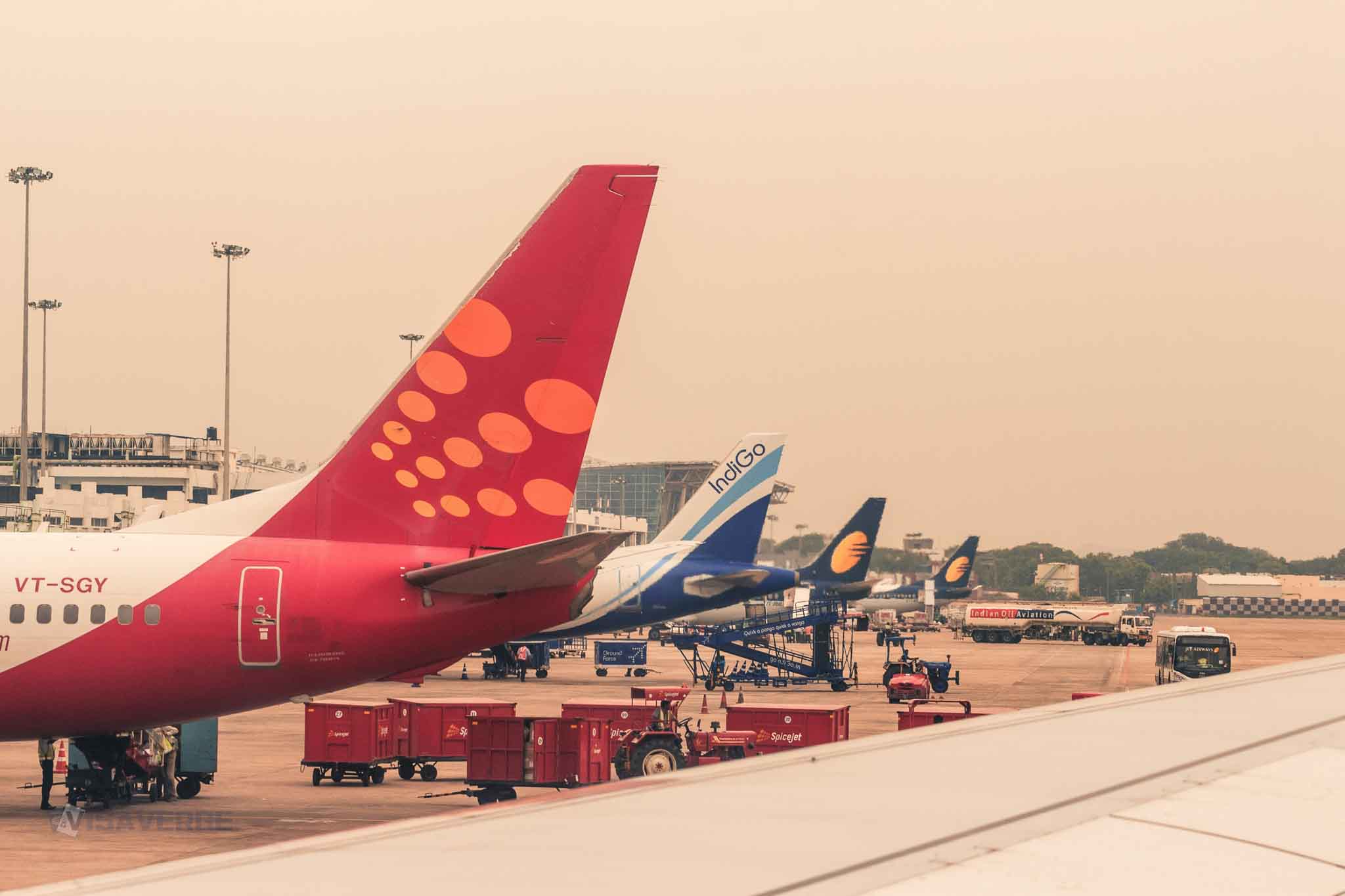
Traffic managers and carriers still treated the reopening as tentative. Overflight routes remained constrained, schedules stayed fluid and long-haul flights continued to detour around the highest-risk areas, reflecting caution about Iran’s remaining military capabilities and the potential for renewed attacks into Gulf airspace.
US and Israeli forces, officials said, degraded Iran’s missile, drone, air-defense and naval assets in the opening days of the campaign, then shifted toward industrial targets designed to limit replenishment. That transition complicated airline planning, because the immediate threat could fall even as the broader risk environment stayed unstable.
General Dan Caine, Chairman of the US Joint Chiefs of Staff, said US forces established local air superiority over western Iran and Tehran by March 2 after more than 1,000 strikes in the initial “Epic Fury” phase on February 28.
Those early strikes focused on transporter erector launchers (TELs) and air-defense nodes, a mix that aimed to reduce both the likelihood of launches and the ability to contest aircraft operating nearby. For airlines, the same air-defense picture shapes overflight risk because it affects detection and interception dynamics across a wide area.
US Central Command reported that total ballistic missile launches dropped 86% regionally by March 4. Rebeccah L. Heinrichs, an analyst, also reported an 86% decrease in missile launches and 73% in drone use.
Karoline Leavitt, the White House press secretary, said on March 6 that strikes reduced Tehran’s ballistic missile retaliation capacity by 90% against the US and partners.
The air-defense attrition described by US and Israeli sources centered on both legacy systems and domestically produced platforms. IDF reports said Israeli forces neutralized over 200 air defense systems since the conflict start.
Among the systems hit, S-300/S-400 batteries near Tehran and Isfahan were destroyed in the opening hours, according to the account in the material provided. The Bavar-373 system was also described as severely degraded in western Iran during Phase One.
Those losses mattered for Gulf carriers weighing when to reintroduce routes that pass near contested areas or rely on predictable regional air traffic control flows. Airlines and insurers consider the presence and capability of air defenses alongside the risk of missile and drone launches when setting overflight constraints.
The campaign’s reported impact extended to Iran’s ability to sustain launches from mobile units. Iranian crews abandoned launchers after single firings to evade loitering munitions, the material said, a tactic that can limit launch tempo and complicate forecasting.
By March 5, Iran had fired over 500 ballistic/naval missiles and nearly 2,000 drones, with nearly all aimed at Israel intercepted, according to the figures in the material. The large interception rates, while centered on Israel-bound attacks, fed Gulf assessments about the risk of spillover into Gulf airspace and the threat to airports and aircraft on the ground.
Maritime pressure points also featured in the threat picture used by Gulf states and airlines. Leavitt said sinking nearly 30 ships neutralized naval threats like closing the Strait of Hormuz, a waterway that sits beside some of the region’s busiest flight paths and airport approach corridors.
For airport security and shipping-linked logistics chains, the reduced maritime and drone threat described in the material supported a gradual easing of emergency postures. Airlines, however, continued to plan for disruption because the conflict’s second phase aimed at industrial capacity rather than just launchers and air defenses.
Operations advanced to Phase Two by March 5, targeting defense industrial sites. The Parchin Military Complex was struck again on March 4, and evacuation warnings covered Abbas Abad and Shenzar Industrial Zones in Pakdasht, Tehran Province, as part of efforts to dismantle missile production.
That sequence created a different timeline for aviation risk. Phase One’s suppression of air defenses and launch capacity could reduce immediate danger to aircraft, while Phase Two’s industrial-site targeting suggested a longer campaign against production, storage and support networks that could keep advisories and insurance restrictions in place.
Against that backdrop, Gulf states began partial reopenings from March 2-3 using controlled corridors that prioritized evacuations and cargo. The approach aimed to restore limited connectivity without signaling a return to normal operations across the region’s full network.
Cirium data showed 1,900+ cancellations of 5,450 scheduled Middle East flights on March 3, a scale that underlined how quickly airlines can shut down schedules when Gulf airspace constraints collide with overflight risk and cascading crew and aircraft positioning problems.
In the UAE, safe corridors opened March 2 with 48 flights/hour capacity, according to UAE Minister of Economy and Tourism Abdulla Bin Touq Al Marri. Authorities planned to scale to 80 flights/hour and 27,000 passengers in the next phase, while Etihad, Emirates and flydubai ran limited flights.
Qatar’s Civil Aviation Authority reported a partial resumption on March 3-4 via contingency routes for evacuations and cargo after suspending operations. The authority promised an update March 4 at 09:00 Doha time.
Across the broader Gulf, the disruption ran far beyond any single hub. Over 13,000 flights were canceled and 20,000+ passengers were stranded, the material said, a combination that strained airport terminals, hotel capacity and airline customer-service systems.
Oman, with Muscat staging evacuations, became part of the region’s workaround network as authorities sought routes that avoided the most constrained corridors. Such staging also reflected a common crisis-management tactic: moving passengers to airports with relatively steadier air traffic control conditions and safer departure paths.
European regulators also shaped airline decisions. EASA issued a no-fly advisory through March 6 covering Iran, Iraq, Israel, Qatar, Bahrain, Kuwait, partial UAE/Saudi airspace, the material said, a wide geographic scope that reinforced the need for long detours and limited the number of viable routings for carriers attempting to restart.
Even where limited corridors reopened, airlines treated them as controlled and conditional. Constraints combined overflight risk, air traffic control capacity and rapidly changing advisories, forcing carriers to plan conservatively and to keep aircraft and crews positioned for quick schedule changes.
The ripple effects quickly spread into global networks as flights avoided large parts of the Middle East. Long-haul detours added 4-6 hours, the material said, increasing fuel burn and complicating crew duty limits, while also reducing the number of aircraft available to operate other routes.
Some carriers extended suspensions in response. Lufthansa paused flights through March 8, while Singapore Airlines paused through March 7, with other airlines described as pausing indefinitely.
The disruption also hit travelers’ budgets. Reroutes and constrained capacity contributed to 20-50% fare spikes, the material said, as airlines absorbed higher operating costs and demand shifted into fewer available seats at short notice.
Airlines cited a mix of operational reasons for caution: the difficulty of positioning aircraft when hubs restart unevenly, crew scheduling limits after multi-hour detours, and insurance and overflight constraints that can lag behind day-to-day military developments.
The logic for a wider reopening, as framed in the material, focused on sustained threat reduction rather than single-day improvements. Full reopening hinged on sustained Iranian degradation and no new launches, a threshold that regulators and airlines treated as necessary for predictable scheduling.
Analysts also linked the timeline to remaining launch capacity and production pressure. The material said analysts predicted most remaining missile forces neutralized within a week of March 3, shifting focus to regime targets like IRGC, while Phase Two strikes on production sites signaled weeks of disruption risk.
Formal advisory timelines became decision points for network planning. The March 6 end date of EASA’s advisory was described as the earliest full reopening trigger, though schedules remained fluid as airlines weighed whether the operational picture supported restoring normal routings.
For passengers, the practical reality remained that limited restarts did not mean a smooth return to pre-crisis travel. Flight availability depended on corridor access, aircraft placement and how quickly airlines could rebuild rotations after days of cancellations and diversions.
Evacuations continued under constrained conditions. US Ambassador to Israel Mike Huckabee noted few options beyond buses to Egypt, the material said, an illustration of how overland routes can become the primary release valve when air corridors remain limited or heavily controlled.
Consular and documentation bottlenecks also shaped who could move, even as flights resumed in stages. Travel document status, exit permissions and the speed of consular communication emerged as constraints that could outlast the first wave of corridor reopenings, keeping many travelers tied to irregular, multi-step routes while the region waited for a more durable reduction in risk.