- The Pentagon designated Anthropic a supply-chain risk, barring its use in U.S. military contracts starting March 2026.
- Amazon continues offering Claude models on AWS for non-military commercial workloads despite the defense restriction.
- The conflict stems from Anthropic’s refusal to permit Claude’s use for mass surveillance or autonomous weapons.
(UNITED STATES) — The Pentagon designated Anthropic a “supply-chain risk” on March 5, 2026, a move that Reuters reported bars government contractors from using the company’s technology in work for the U.S. military.
Amazon is continuing to offer Anthropic’s Claude models through Amazon Web Services, despite the Defense Department action targeting Pentagon-related use, while keeping access available for workloads not associated with Department of Defense contracts.
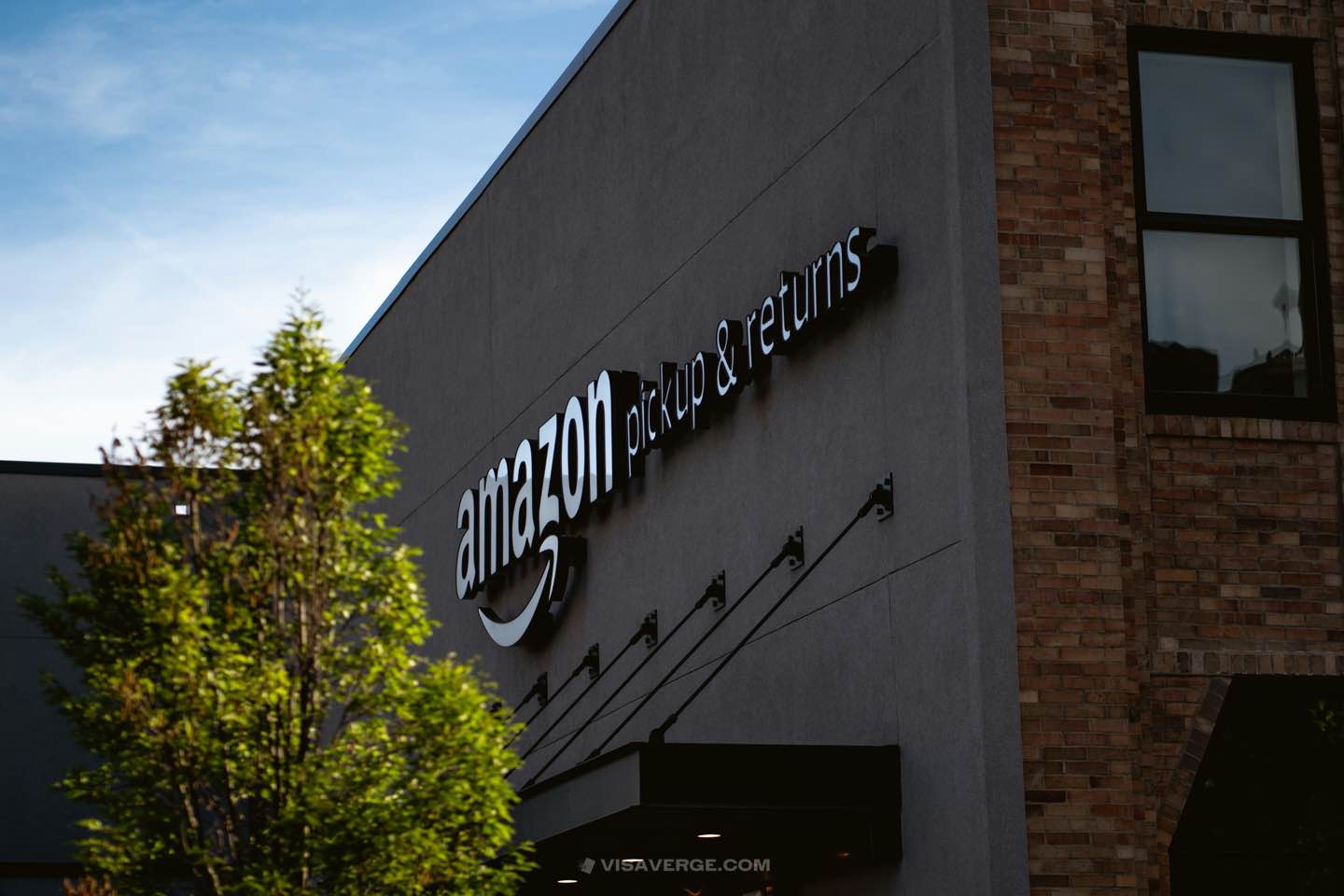
The scope of the designation sits at the center of the split. Reuters reported that the Pentagon’s action does not prohibit use of Claude in non-Pentagon projects, even as it blocks contractors from using Anthropic technology for U.S. military work.
The dispute escalated when the Pentagon made the designation effective immediately on March 5, 2026. Anthropic has said it plans to challenge the designation in court.
Anthropic argued in a public statement that a supply-chain-risk designation under the cited federal authority can extend only to the use of Claude as part of Department of Defense contracts. The company said it cannot block contractors or private companies from using Claude for other customers or other commercial work.
That distinction matters for companies that operate in both federal and commercial lanes on shared infrastructure, including Amazon Web Services. A procurement restriction can attach to a customer class, a contract type, or a specific workload rather than removing a tool from general commercial availability.
In practice, the Pentagon action does not amount to a blanket ban on Anthropic across the broader U.S. economy. Instead, it creates a split market in which Claude may be restricted in military contracting while remaining available in enterprise cloud environments for private-sector customers, developers, and companies building commercial AI products on AWS.
Reuters, AP, and other outlets reported the clash stems from a deeper policy fight over military AI use. Those reports said Anthropic resisted Pentagon demands to permit broader use of Claude for applications the company considered unacceptable, including “mass domestic surveillance” and “fully autonomous weapons.”
Pentagon officials, meanwhile, argued that national security work required fewer restrictions and more flexible access to frontier AI tools, according to the same reports.
AWS customers outside Pentagon contracting lanes face a different set of immediate questions than defense contractors do. With Amazon Web Services still offering Anthropic’s Claude for non-military use cases, companies building commercial products and internal systems can continue deploying Claude on AWS where the work is not tied to Department of Defense contracts.
The operational line can run through the same cloud environment. Cloud marketplace availability can differ by workload, and continued access for commercial users does not automatically translate into permission for military or defense-linked work, especially when procurement restrictions target specific contract categories.
Inside organizations, the designation raises compliance and audit questions about how to separate defense-related activity from commercial development when the same model family remains available for non-DoD use. Employers and developers working across both lines may need to separate teams, workflows, and data handling so that restricted defense work does not mix with permissible commercial projects.
Vendor onboarding and procurement reviews become more central when an AI tool used broadly in commercial settings faces a targeted restriction in federal or defense contexts. Companies supporting defense-linked customers may need controls that document where Anthropic’s Claude can be used and where it cannot under the designation effective immediately on March 5, 2026.
The segmentation can also reach staffing and collaboration patterns. When defense-linked work sits alongside commercial projects, employers may need clearer boundaries for project assignment, cross-border collaboration, and cloud deployments so that restricted work does not pull in tools barred for Pentagon contracts.
The episode has also sharpened the competitive dynamics among AI firms seeking defense-linked work. AP reported that other AI firms, including Google, OpenAI, and xAI, were more willing to accept the Pentagon’s broader “all lawful use” terms, which could give them an advantage in defense-linked work if the Anthropic restrictions remain in place.
Amazon’s approach points to containment rather than removal. Instead of treating the Pentagon’s supply-chain risk designation as a reason to de-platform Anthropic more broadly, the posture described in the dispute keeps Claude available where the law still allows it while restricting use where the blacklist applies.
For employers, developers, and contractors, the compliance lesson is that “Blacklisted” does not always mean universally banned. In this case, the restriction appears tied to a specific customer class and type of work, not to every use of Anthropic’s Claude across AWS or the wider U.S. private sector.
Organizations often translate that kind of boundary into internal rules aligned to customer category, environment, and data sensitivity, while keeping documentation that shows which uses are permissible and which are restricted. Those steps can matter when a single tool sits inside both commercial enterprise stacks and defense-adjacent delivery pipelines.
Amazon’s continued offering of Claude on Amazon Web Services also lands amid broader scrutiny of supply-chain risk in federal procurement, where risk designations can reshape tool choice without removing products from the commercial market. That dynamic can create sudden rework for contractors tied to Pentagon obligations while leaving commercial software teams largely unchanged.
For VisaVerge readers, the larger issue extends beyond one vendor designation to the way compliance-driven segmentation can shape hiring and project staffing when companies run both commercial and government lines of business. Shared platforms like Amazon Web Services can host both restricted and permissible workloads through segmentation, but the line-drawing can affect who works on what, and where teams sit, when projects must follow U.S. government contracting rules.
Anthropic’s Claude sits at the center of that divide because it remains commercially available on AWS even as the Pentagon designation targets military work. As companies manage supply-chain risk rules that hinge on contract scope rather than broad market access, employers and developers may find that the hardest work is not switching tools everywhere, but proving that restricted and permissible uses stayed separate.