(SEATTLE, WASHINGTON, USA) — Alaska Airlines just placed the biggest aircraft order in its history, a move that should translate into more seats, more nonstop options from Seattle, and better odds of finding Mileage Plan award space over the next decade.
On Wednesday, Alaska and Boeing announced a firm order for 105 Boeing 737-10 jets and five Boeing 787-10 Dreamliners. Alaska also secured purchase rights for 35 additional 737-10s. Deliveries will run through 2035.
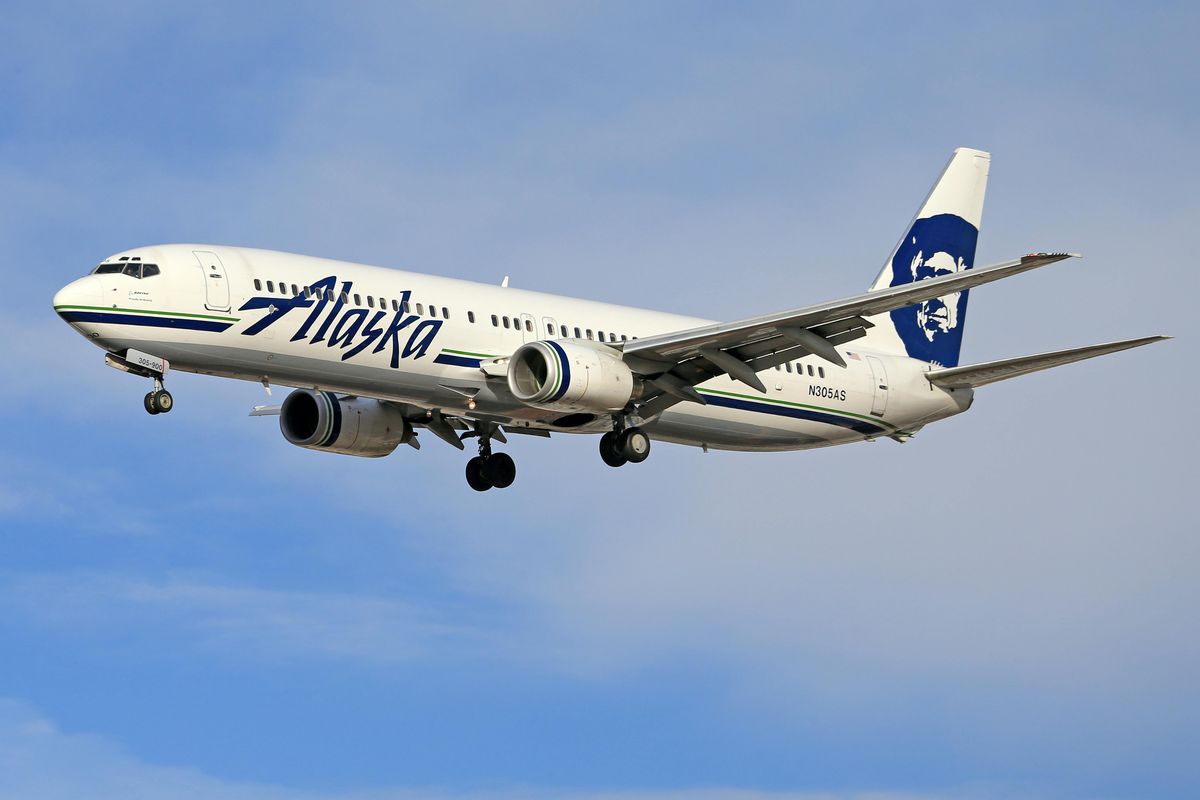
For travelers, the headline is simple: Alaska is buying planes for two jobs at once. The 737-10s support higher-capacity domestic flying and replacement of older 737s. The 787-10s support long-haul growth, with Alaska targeting at least 12 long-haul destinations from Seattle by 2030 under its Alaska Accelerate plan.
Order summary
| Aircraft type | Firm orders | Purchase rights | What it’s for |
|---|---|---|---|
| Boeing 737-10 | 105 | 35 | High-density domestic routes, fleet renewal, 737 fleet commonality |
| Boeing 787-10 | 5 | 0 | Long-haul international growth from Seattle |
The 737-10 is the largest 737 MAX variant. It is still awaiting FAA certification, which Alaska and Boeing expect in 2026. That certification timeline matters for schedules, since airlines cannot fly a model in passenger service until it is certified.
Alaska said the 787-10s will support international growth and will be the first delivered in a new global livery. The order also exercises all prior 787 options Alaska held.
Fleet and orderbook implications
- This deal brings Alaska’s total 737 MAX order book to 174 jets.
- Alaska’s overall Boeing order book now stands at 245 aircraft.
- Alaska already operates 94 737 MAX jets in service today.
- On the fleet side, Alaska currently operates 248 Boeing 737s (Next-Generation and MAX models).
- It also has five 787 Dreamliners in service today.
- After this order, Alaska’s firm 787 fleet rises to 17, counting aircraft in service and in the pipeline.
Alaska Air Group CEO Ben Minicucci framed the order as the backbone of “steady, scalable and sustained growth,” with new airplanes supporting expansion “to more destinations across the globe.”
What this means for bookings and fares
More aircraft usually means two main effects for consumers:
- More flight choices — new routes and increased frequencies.
- More total seat supply — which can put downward pressure on fares, especially where competition is strong.
Specifically:
- The 737-10 portion is aimed at high-density domestic routes. Travelers who fly frequently between Seattle and major West Coast or transcon cities should see the benefits first.
- Higher-capacity jets can help during peak periods when flights typically sell out.
- The 787-10s are the bigger story for international flyers. Alaska is signaling a desire to be a larger long-haul player from Seattle, which matters if you prefer nonstop flights and dislike backtracking through other hubs.
⚠️ Heads Up: The Boeing 737-10 still needs FAA certification, expected in 2026. Early schedules can shift as certification and delivery dates firm up.
Mileage Plan implications: earning, status, and awards
Alaska Mileage Plan members should pay attention — more flights generally mean more seats that can be sold for cash and later released as awards. Key potential impacts:
- Award availability could improve on new long-haul routes. Airlines launching new markets often stimulate demand, which can mean better early award space, especially in shoulder seasons.
- More Alaska-operated flights can be a win for elite chasers. If you shift travel from partners to Alaska metal, earning and elite qualification may become more predictable.
- Partner awards may get more interesting. Alaska’s long-haul growth could change how you plan redemptions across its global partners, especially if Seattle becomes a stronger departure point.
Alaska has not announced any Mileage Plan award chart changes tied to this order. Still, capacity growth is usually friendlier to redeemers than capacity cuts.
Competitive context: Seattle’s marketplace
Seattle is already one of the most competitive major U.S. gateways:
- Delta has built a major hub there.
- United and American defend key routes even without Seattle being a primary hub for them.
- Alaska’s plan to reach at least 12 long-haul destinations by 2030 is a direct play for high-value travelers — premium cabin buyers, corporate contracts, and frequent flyers who want nonstop options.
The choice of the 787-10 is telling: it is designed for high-demand long-haul routes, suggesting Alaska is aiming for markets that can support lots of seats, not just niche services.
How to plan if you’re booking in the next 12 months
This aircraft order extends through 2035, so it won’t remake Alaska’s network overnight. However, the 2026 certification and delivery timeline for the 737-10 is a useful milestone.
Recommended approach for near-term planning:
- Stay flexible. New routes often come with schedule tweaks in the first months.
- Book spring and summer 2026 trips on Alaska with a changeable fare where possible.
- Start watching for Seattle long-haul announcements, since the best award seats often go to early planners.
This order should gradually translate into more seats, more nonstop options from Seattle, and improved chances for award availability, particularly on new international routes as they launch.
Alaska Airlines is making its biggest fleet investment yet, ordering 110 Boeing aircraft to fuel a decade of growth. By adding high-capacity 737-10s for domestic routes and 787-10 Dreamliners for international expansion, the carrier aims to serve 12 global destinations from Seattle by 2030. This move increases competition in the Pacific Northwest, promising more seats and more award opportunities for loyal flyers.