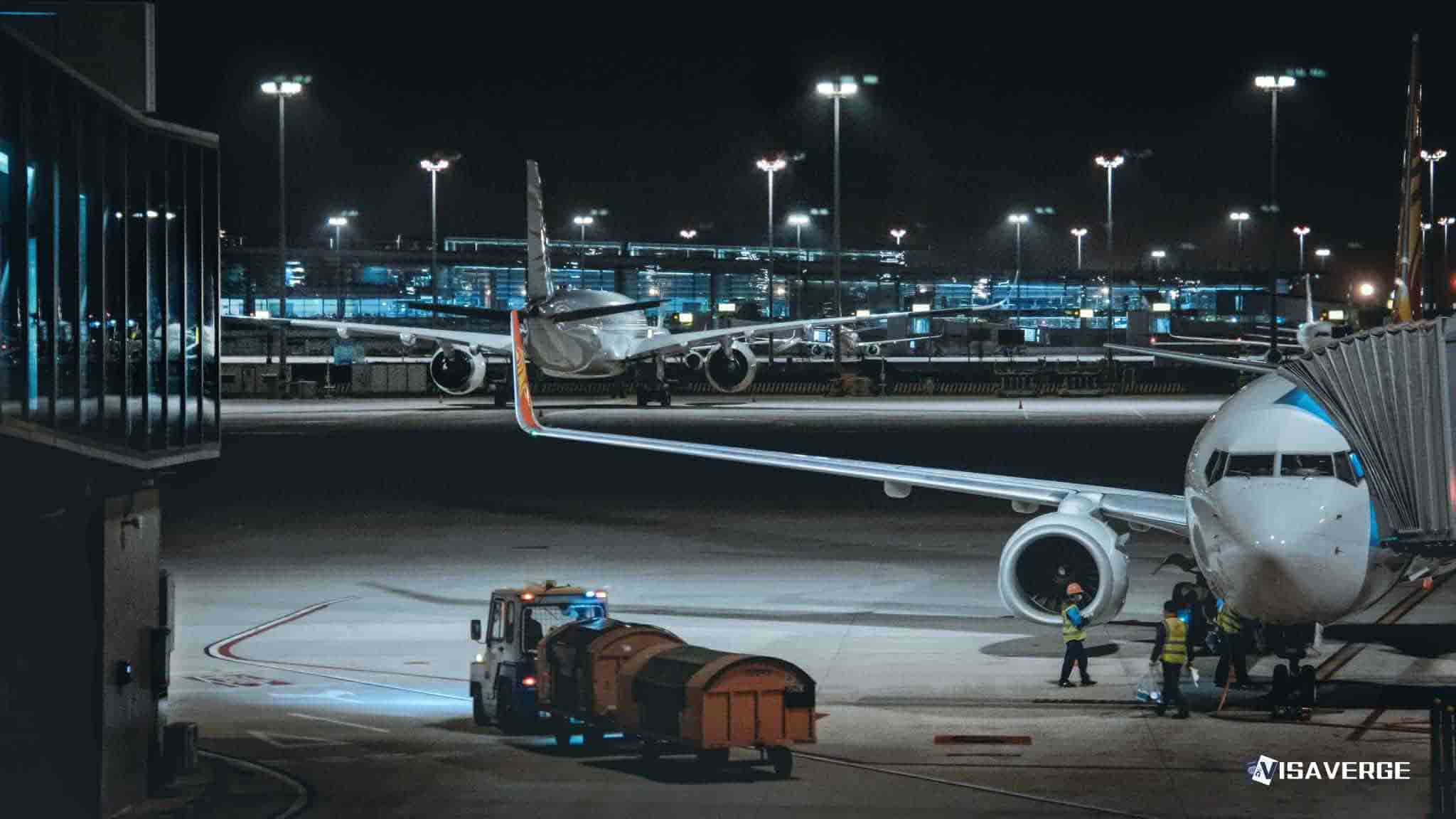
- ACI Europe warns of a systemic jet fuel shortage within three weeks due to the Strait of Hormuz closure.
- Major European aviation hubs currently hold only eight to ten days of fuel reserves in storage.
- The ongoing disruption threatens summer travel for 170 million travelers and may force flight rationing.
(EU) — Airports Council International Europe warned the European Union that airports face a high risk of a systemic jet fuel shortage within three weeks unless the Strait of Hormuz reopens in a significant and stable way.
Olivier Jankovec, director general of ACI Europe, wrote to EU Transport Commissioner Apostolos Tzitzikostas and other commissioners on April 9, 2026 that, “If the passage through the Strait of Hormuz does not resume in any significant and stable way within the next three weeks, systemic jet fuel shortage is set to become a reality for the EU.”
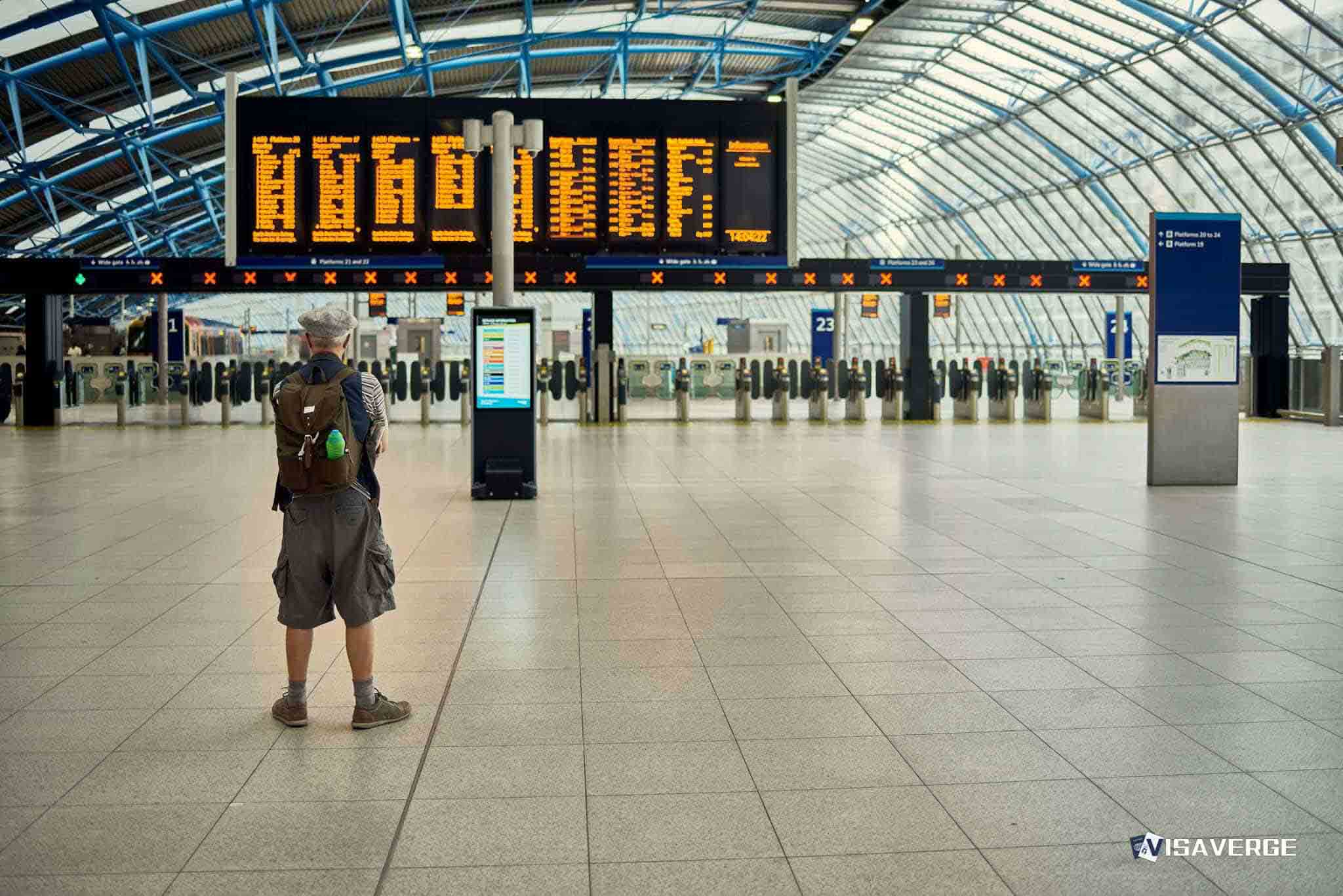
Jankovec said current jet fuel reserves at many hubs stand at 8-10 days. He also said the bloc has no EU-wide monitoring of jet fuel production or availability.
The warning landed as the Strait of Hormuz has remained effectively closed by Iran since the conflict escalated on February 28, 2026, with U.S. and Israeli strikes. The waterway normally carries 20% of global seaborne crude and 40-50% of Europe’s jet fuel imports.
Europe imports most of that fuel from Kuwait and Saudi Arabia. Flows cited by ACI Europe total 177,000 barrels per day to northwest Europe and 31,000 to southern Europe and the Eastern Mediterranean.
No significant cargoes have reached Europe from the Gulf since late February. A fragile two-week ceasefire that began on April 7, 2026 has allowed only irregular, limited traffic.
Europe relies on the Persian Gulf for 25-33% of its jet fuel demand. Local refineries cannot quickly raise kerosene production enough to replace missing volumes.
Alternative supply routes offer little immediate relief. ACI Europe said the United States supplied only 3% pre-war.
The pressure now reaches beyond refinery margins and shipping lanes. It cuts directly into airport operations, airline schedules and summer travel planning across the bloc.
ACI Europe, part of the Airports Council International network representing more than 600 airports, said the timing threatens the peak summer season and could affect 170 million travelers. The group warned of flight cuts, rationing by airport or airline, and higher fares if supply disruptions continue.
Michael O’Leary, chief executive of Ryanair, warned that 10-25% of supplies are at risk in May and June. His warning pointed to a problem moving from the wholesale market to airline timetables.
Some carriers have already cut back. Hong Kong’s Cathay Pacific has reduced schedules as prices for jet fuel have soared and more than doubled since the conflict began.
That price shock leaves airlines with few fast options. Aircraft can be grounded, schedules trimmed, or fuel lifted from other markets where supplies remain available, but all three measures raise costs and strain networks.
European airports face a different problem. Many are storage points, not production centers, and reserve levels measured in days leave little room for prolonged disruption once regular cargoes stop arriving.
ACI Europe urged emergency action from Brussels and member states. Its recommendations include mapping existing stocks, identifying alternative sources, coordinating purchases, prioritizing refinery output for jet fuel and relaxing import regulations.
The European Commission’s oil coordination group has met recently, but it lacks centralized tracking for aviation fuel. That gap matters as airport operators and airlines try to judge how much fuel is available, where shortages may surface first, and whether cargoes can be redirected in time.
The warning from Airports Council International Europe also exposed a split between oil market oversight and aviation planning. Europe has mechanisms for broader energy coordination, yet ACI Europe said no bloc-wide system tracks jet fuel production or availability in a way that gives airports a real-time picture.
Without that view, local shortages can build before regulators see the wider pattern. A hub with 8-10 days of reserves can keep operating for a short period, but replacement fuel must keep moving through ports, pipelines and storage systems to avoid disruption.
The Strait of Hormuz sits at the center of that chain. Its role in crude oil markets is well known, but for European aviation the route matters as a direct corridor for refined fuel imports from Gulf producers.
That dependence leaves little flexibility when traffic stops. Even after the April 7, 2026 ceasefire, only limited and irregular movement has returned, far short of what Europe needs to restore steady deliveries.
Diplomacy has offered no clear way out. U.S.-Iran talks in Islamabad collapsed 24 hours before April 11 reports, leaving disputes over nuclear weapons and control of the Strait unresolved.
Ceasefire pledges remain in place, but the risk of renewed fighting hangs over the market. A return to full hostilities would likely end the limited relief seen since early April and deepen the squeeze on European supplies.
Any prolonged disruption would arrive at the worst point in the travel calendar. Summer schedules depend on dense aircraft rotations, high seat counts and predictable fuel access, and airports have little ability to absorb sudden rationing once demand peaks.
Airlines would then face hard choices on which routes to protect. Short-haul leisure markets, long-haul links and connecting banks at major hubs all compete for the same constrained supply when fuel deliveries fall below demand.
Passengers would feel the effects through reduced frequencies and higher prices. Airport operators would face pressure to allocate scarce fuel while trying to keep networks functioning across dozens of carriers with different operating priorities.
ACI Europe’s letter turned that scenario into a countdown. Unless the Strait of Hormuz reopens significantly and stably within the next three weeks, Jankovec warned, a systemic jet fuel shortage in the EU will become “a reality for the EU.”