Airbus delivered 10 A321neo jets on December 19, 2025, a one‑day burst aimed at closing a year-end gap after production setbacks. For airlines, lessors, and the workers who move these aircraft across borders, the rush ties directly to visas, permits, and airport entry rules that can decide whether deliveries happen.
Year-end target and production setback
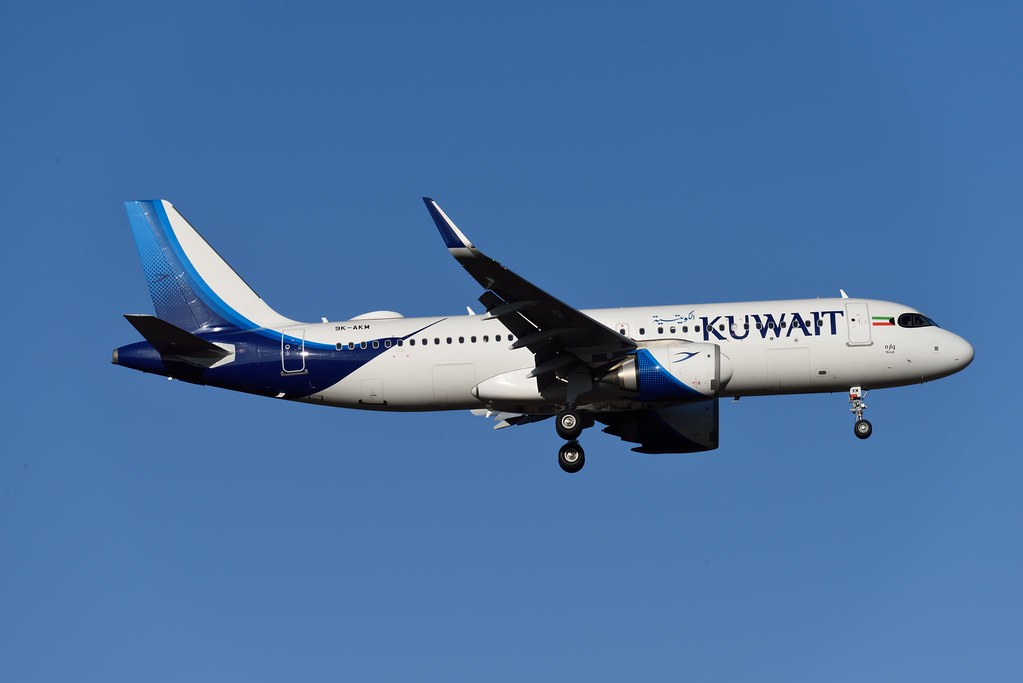
Airbus tried to meet its revised end-of-year delivery target of about 790 aircraft. The company had started 2025 aiming for 820 deliveries, then cut the goal on December 3 after a supplier quality issue hit A320-family fuselage panels and slowed assembly lines across the program.
The panel problem disrupted production flow. In November Airbus delivered 72 aircraft, down from 78 in October, according to the source material. By the end of November, total 2025 deliveries stood at 657, setting up a steep December climb if the target was to hold.
To reach roughly 790 deliveries, Airbus needed about 133 to 140 jets in December, far above its usual monthly pace. That kind of push requires many short-notice deployments of test crews, delivery pilots, mechanics, and customer acceptance teams who must cross borders legally.
How compressed delivery schedules affect mobility
Unlike a scheduled passenger flight, an aircraft handover can involve engineers from several countries arriving for inspections, paperwork, and training. When the delivery calendar compresses, even routine requirements—work authorization, entry stamps, and airport security badges—become choke points. Delays can be costly when slots are tight and factory teams are waiting.
Key impacts on mobility include:
- Short-notice visa/permit applications and consular appointments
- Urgent employer petitions or work-authority filings
- Need for airport security badges and airside access credentials
- Increased risk of refused entry if trips are misclassified
Misclassifying the trip can lead to refused entry at the airport.
Role of the A321neo and staffing implications
The A321neo, the largest model in the A320neo family, has been central to 2025 output. Through November, Airbus delivered 510 A320neo-family aircraft out of 657 total. That mix matters for staffing because narrowbody programs often use shared pools of specialist workers who travel between sites as bottlenecks appear and clear.
The December 19 handovers, all A321neos, illustrate how a manufacturing issue can spill into global mobility. When a supplier problem slows deliveries for weeks, airlines may:
- Reschedule training and route launches
- Change where pilots, cabin crew, and maintenance staff must report
- Trigger short-notice visa needs and altered travel plans
Administrative, legal, and customs requirements
Each aircraft transfer can require:
- Customs filings and export clearances
- Ownership changes and registration steps
- Crew manifests and physical signatures/certifications
Those documents often depend on people being physically present to sign or certify them. The supplier quality issue cited on December 3 did more than delay production—it compressed the legal and administrative timeline for each handover.
Country-specific immigration notes
Immigration friction shows up in consular waiting rooms as much as in hangars. Examples from the source material:
- A technician sent to support an A321neo entry-into-service might require a business visitor stamp in one country and a work permit in another.
- In the United States, companies often rely on employer-filed petitions when a foreign specialist must perform hands-on work, even if brief. Lawyers often point to Form I-129 as the gateway for many temporary work classifications; filing instructions sit at https://www.uscis.gov/i-129.
Misreading these rules can lead to fines or refused entry.
Effects on workers and families
Airbus’s delivery sprint also has ripple effects for families and staff schedules:
- Late-year deliveries can compress pilot conversions and simulator sessions into January, shifting leave and relocations.
- Spouses and children on dependent visas may need last-minute travel, passport renewals, or embassy visits.
- For immigrant workers already inside a country on time-limited status, the calendar matters: overtime, shifts, reassignment, or visa reviews tied to a specific job site can all be triggered.
Operational consequences for airlines and suppliers
When delivery dates bunch up, carriers often bring in foreign instructors or contract engineers to finish cabin mods or run acceptance flights. This can collide with country-by-country limits on paid work by visitors and create compliance traps.
Airbus’s workforce moves too. Final sign-offs often require specialists familiar with particular systems or cabin options. If those specialists are based abroad, employers arrange short-term assignments—and immigration paperwork becomes part of the production plan, not an afterthought.
Staffing pressure and market context
Recruiters note that surge months intensify competition for mobile staff. For context, Airbus delivered 123 aircraft in December 2024, and 2025’s revised goal required an even bigger month. The November slowdown preceding the December rush also affects contractors: lost hours and expiring short-term visas can leave workers unable to re-enter when production ramps back up.
According to analysis by VisaVerge.com, aviation firms that depend on cross-border talent feel supply-chain shocks in a personal way: sudden travel, changed rosters, and higher stress. The Airbus A321neo rush is a clear case—when factories accelerate, the people who keep the process safe and legal must accelerate too.
Practical choke points when schedules compress
Common issues that only become visible under compressed schedules:
- A crew member eligible for visa-free entry for meetings but not for maintenance work
- An engineer who clears immigration but lacks the airport pass for airside access
- Consular appointment backlogs after a revised delivery calendar
- Employer petitions or filings (e.g., Form I-129 in the U.S.) needed on short notice
When deliveries cluster, there is less slack to fix these problems.
What Airbus disclosed (and what it did not)
Airbus did not disclose in the source material which airlines received the ten A321neos on December 19, or where the handovers took place. The global nature of deliveries means each transfer can involve a chain of national checks—export clearances, registration steps, and crew entry rules—before an aircraft can fly commercially.
Summary takeaway
- Airbus’s decision to cut its delivery expectation from 820 to about 790 after the fuselage-panel issue shows how a supply glitch can shift corporate mobility budgets overnight.
- The 10 A321neo deliveries on December 19, 2025 helped the company toward its revised target but also created immediate visa, permit, and operational pressures.
- Predictable immigration rules and processing help industrial resilience; conversely, slow or opaque processes can lengthen fixes and increase costs for firms and workers alike.
The December 19 deliveries demonstrated how fast schedules can swing—and how quickly visa decisions for traveling crews must follow.
Airbus is accelerating deliveries to reach a revised target of 790 aircraft after supplier issues slowed production. A 10-jet surge on December 19 highlights the pressure on manufacturing and global mobility. Specialized workers face urgent visa requirements and administrative hurdles as schedules compress, illustrating how supply chain shocks directly impact international labor regulations and the movement of technical personnel.