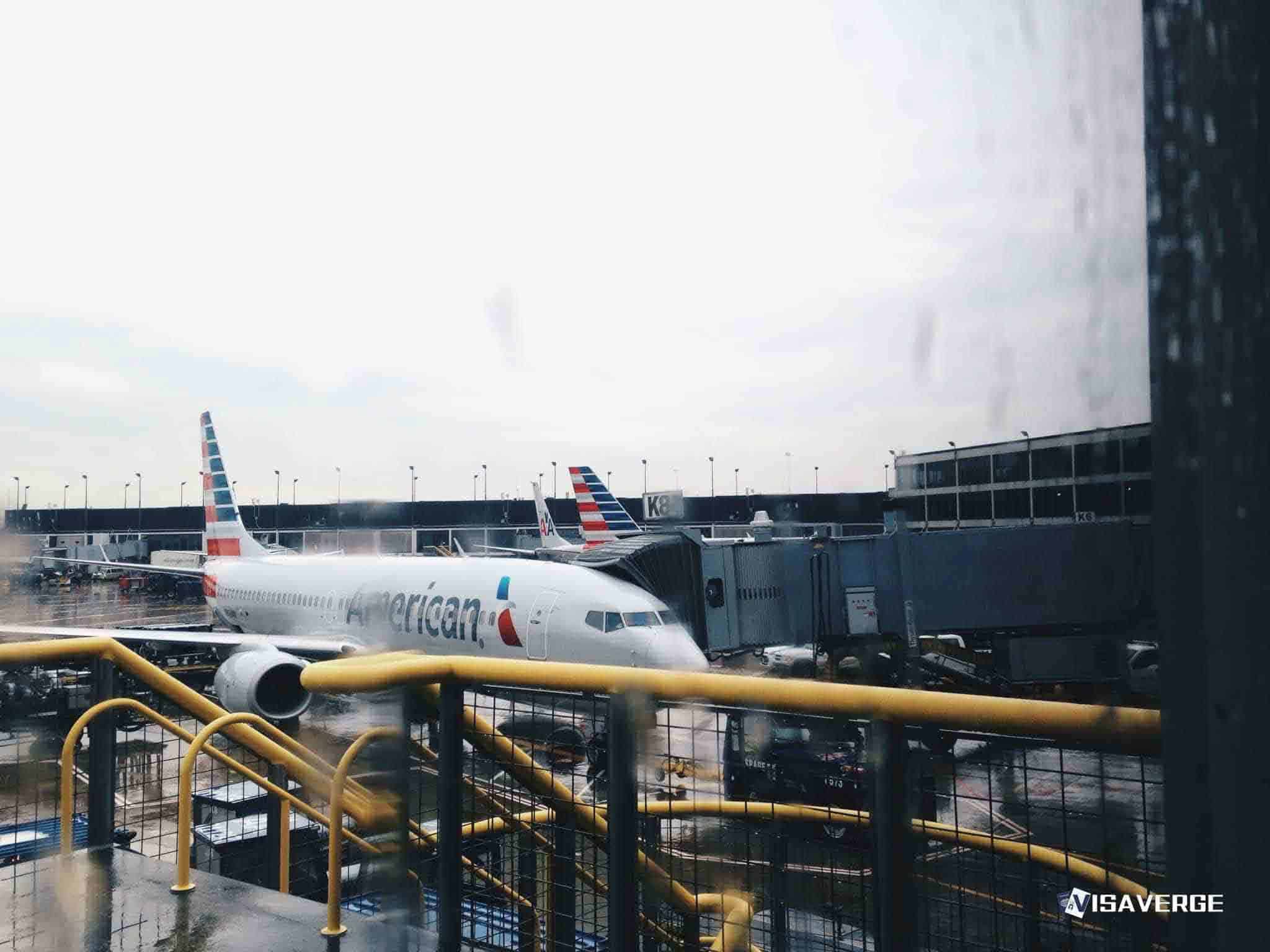
(VANCOUVER, CANADA) — Air India’s Vancouver-to-Delhi flight faced a last-minute crew change on December 23 after Canadian authorities removed a pilot from Flight AI186 over “fitness for duty” concerns. For passengers, the immediate impact was simple: a delay right before departure and a reminder that random screening can disrupt even long-haul, flagship routes.
Reports indicate the pilot failed an alcohol test at Vancouver International Airport (YVR) shortly before departure. The crew member was deplaned and taken for further inquiry, and Air India arranged for an alternate pilot to operate the flight. Air India said it regrets the inconvenience and is cooperating with local authorities. The carrier also said any confirmed violation would lead to strict disciplinary action under company policy.

India’s aviation regulator, the Directorate General of Civil Aviation (DGCA), has also opened a probe into the incident.
What happened on Flight AI186
The key facts travelers should know are about timing and process. This was not a mid-flight diversion or an onboard emergency. It was a pre-departure intervention, which typically leads to operational knock-ons like delayed boarding, missed connections, and rebookings.
For a nonstop like Vancouver–Delhi, that disruption can ripple across a full day of travel. Many passengers on AI186 connect onward from Delhi to cities across India, including Mumbai, Bengaluru, and Hyderabad. When an ultra-long-haul departure slips, the most common pain point is misconnecting to morning domestic banks in Delhi.
Air India rostered a replacement pilot and operated the flight after the change. The airline has not publicly detailed the length of the delay in its statement.
⚠️ Heads Up: If you’re ever delayed due to a crew issue, ask at the airport for a “delay reason” note. It can help with credit card trip delay claims.
Why “fitness for duty” matters to travelers
“Fitness for duty” is aviation’s catch-all phrase for whether a crewmember is safe to operate a flight. It can cover fatigue, illness, impairment, or other concerns. In this case, the reported trigger was an alcohol test.
From a passenger perspective, the upside is that the system worked as designed: screening and enforcement are meant to stop a problem before it reaches the runway. The downside is the lack of predictability. These events often happen close to departure, when alternatives are limited.
This incident comes during a period of heightened attention on airline safety programs globally. Regulators and industry bodies have been pushing tighter screening, reporting, and oversight, including renewed emphasis on pilot well-being and standardized checks as air travel volumes climb.
Air India and regulator response
Air India has placed the pilot off flying duties pending investigation. The DGCA probe adds a second layer of oversight, which matters because outcomes can extend beyond one employee. Regulators can require process changes, retraining, or audits.
For travelers, the practical implication is that airlines tend to react to high-profile incidents by tightening internal checks. That can mean:
- More frequent testing
- Stricter reporting
- More conservative crew scheduling
Those steps can reduce risk, but they can also cause short-term staffing friction and occasional disruptions.
Loyalty and miles: what to expect if your flight is disrupted
This incident does not change how Air India’s Flying Returns program earns or redeems miles. Still, delays can affect your points strategy in a few real ways:
- If you misconnect and are rebooked onto a different airline, mileage earning can change; partner flights often earn differently than Air India-operated flights.
- If you’re chasing Star Alliance status credit, verify the ticketed flight numbers you end up flying after rebooking.
- If you used points for an award ticket, document any involuntary reroute. It can support a mileage redeposit waiver request in some cases.
Air India is in Star Alliance, so many flyers on this route credit to partners such as United MileagePlus, Aeroplan, and ANA Mileage Club, depending on fare class and ticket stock.
How this compares with other international carriers at YVR
Vancouver is a heavily regulated international gateway with multiple long-haul operators. The principle of zero tolerance is broadly shared, but disruptions become highly visible when they occur minutes before pushback.
Here’s a traveler-facing look at how major carriers generally handle crew-related removals and the passenger experience that follows.
| Situation | Typical airline action | What it means for you |
|---|---|---|
| Pilot removed pre-departure | Swap crew, delay departure | You may miss connections and need rebooking |
| No standby crew available | Delay until crew arrives, or cancel | You could be rerouted via another hub |
| You’re rebooked to a partner | Protect itinerary, may change seats | Miles earning and seat perks may differ |
Competitive context matters on the India market, too. Air Canada offers one-stop options to India via European and other partners, while Gulf carriers often provide multiple daily one-stop routings via the Middle East. When a nonstop slips badly, those one-stop networks can become the fastest rescue option.
What to do if you’re flying YVR–India in the next few weeks
If you’re booked on Air India out of Vancouver, the odds of a repeat are still low. But the route is long, connection-heavy, and disruption-prone in winter.
Smart moves before you go:
- Build a longer connection buffer in Delhi if you’re continuing onward.
- Save your e-ticket and fare rules. You’ll need them if rebooking gets messy.
- If you paid with a premium travel card, confirm your trip delay coverage window and required documentation.
- Arrive early and keep an eye on gate updates for long-haul departures like Flight AI186, since crew swaps tend to happen close to scheduled pushback.
Air India’s Vancouver-Delhi route experienced a major disruption when a pilot failed a mandatory alcohol test shortly before takeoff. The pre-departure intervention ensured flight safety but led to delays and missed connections for travelers. Authorities in both Canada and India are now investigating the breach, while the airline emphasizes its zero-tolerance policy regarding crew impairment and fitness for duty requirements.