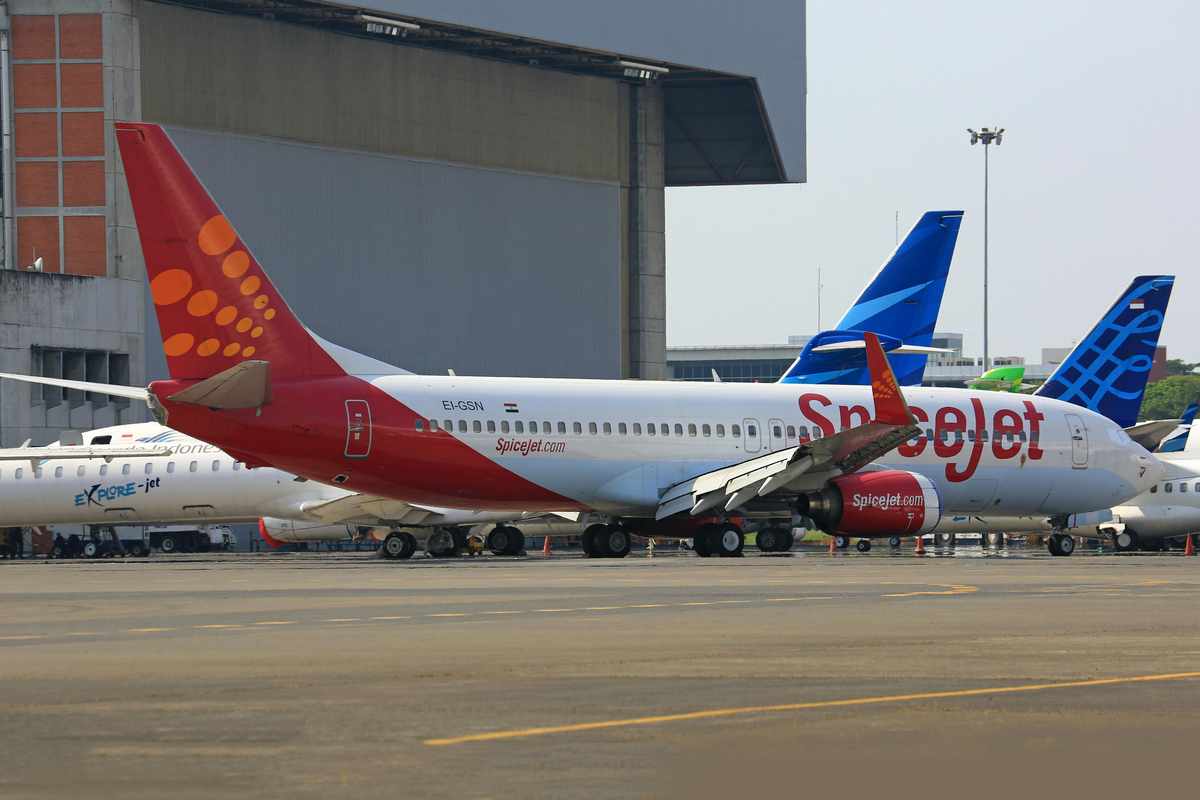
(INDIA) Air India is under fresh regulatory pressure after it admitted operating an Airbus A320 on eight commercial flights without a valid Airworthiness Review Certificate (ARC), a serious breach of safety rules that unfolded over two days in late November 2025. The flights took place on November 24 and 25, 2025, at a time when the airline is already facing intense scrutiny following a deadly crash earlier in the year.
What an ARC is and why it matters
The ARC is an annual validation of the aircraft’s main Certificate of Airworthiness (C of A). It confirms that:
- maintenance records are up to date,
- the physical condition of the aircraft meets standards, and
- operations comply with applicable safety rules.
Without a current ARC, an aircraft should not carry paying passengers. According to internal records described by people familiar with the matter, the 164-seater Airbus A320 continued flying even though its ARC had expired.
Before you fly, especially after mergers or maintenance, look for new ARC status in airline notices and ask staff to confirm the aircraft’s ARC validity if you can’t verify it online.
The flights and how the lapse was discovered
- The eight flights were regular revenue services — not test runs or ferry flights. Passengers boarded and crew operated those sectors assuming the aircraft met all regulatory requirements.
- The lapse came to light when an engineer flagged the missing ARC and raised the alarm inside the airline.
- Air India reported the incident to the Directorate General of Civil Aviation (DGCA) on November 26, 2025, a day after the last of the improper flights took place.
The aircraft was grounded immediately once the airline informed the regulator.
Immediate actions by Air India
- The Airbus A320 was grounded and removed from commercial service.
- Air India suspended (de-rostered) all staff involved in clearing the aircraft for operation, covering both technical and operational personnel linked to the process.
- The airline has initiated a comprehensive internal investigation and emphasized that maintaining safety and operational integrity is a top priority.
“The incident is regrettable. We have suspended all personnel involved and initiated a comprehensive internal investigation,” the airline said in a statement, adding that any break from written procedures is treated with “utmost seriousness.”
Regulatory response and oversight framework
The DGCA, India’s top aviation safety regulator, has opened a formal probe. The regulator stated: “concerned personnel have been de-rostered with immediate effect pending investigation. The ARC process is in progress.”
- Under India’s civil aviation framework, DGCA-approved organizations and, in some cases, airlines themselves can issue or renew ARCs.
- These bodies must strictly follow the conditions laid down by the regulator.
For details on oversight duties, see the Directorate General of Civil Aviation official website: https://dgca.gov.in
How the lapse reportedly happened
The incident occurred during a sensitive post-merger integration between Air India and full-service carrier Vistara. As fleets, systems, and procedures were being brought together:
- One aircraft’s ARC reportedly expired during an engine change and was not renewed before the plane returned to commercial service.
- That administrative and operational slip left the Airbus A320 technically unairworthy from a regulatory point of view, even if the aircraft appeared physically fit to fly.
Core questions raised
Industry observers and regulators are focused on how and why multiple checks failed. Typical flight approvals include:
- maintenance sign-offs,
- dispatch clearances, and
- cockpit crew checks.
The absence of a valid ARC should, in theory, have emerged at several points in that chain. That it did not — and the aircraft flew eight commercial legs before detection — raises sharp questions about Air India’s safety management systems.
Safety vs. compliance
- There is no suggestion so far that the aircraft had a specific technical defect or that any flight was unsafe in a physical sense.
- The issue is primarily regulatory compliance and whether Air India’s controls are robust enough to meet DGCA standards.
Analysis by VisaVerge.com notes that when paperwork lapses overlap with operational activity, they can indicate deeper process issues that passengers would not necessarily notice when booking tickets.
If you notice potential paperwork gaps or safety concerns, report them to the airline or the DGCA. Quick reporting can help authorities address issues before they affect passengers.
Context and timing
The timing could hardly be worse for the carrier. On June 12, 2025, an Air India Dreamliner crash killed 260 people, triggering nationwide debate about aviation safety and oversight. Since then, lawmakers, unions, and passenger groups have demanded more aggressive checks on airlines’ maintenance and documentation practices.
Against this backdrop, the discovery that an Air India aircraft flew repeatedly without a valid ARC has amplified concerns about whether lessons from the earlier tragedy are being fully absorbed.
Possible outcomes and what investigators will look at
- The DGCA has said penalties are possible for the airline and responsible staff.
- The fact that an engineer escalated the issue and that Air India self-reported the lapse may be considered during sanction decisions.
- Safety advocates stress that self-reporting does not erase the fact that passengers were carried on an aircraft that, on paper, was not allowed to fly.
Investigators will likely focus on:
- how many layers of oversight failed,
- which positions signed off on the flights, and
- what corrective actions Air India must complete before the aircraft can rejoin the fleet.
Broader implications for mergers and record-keeping
The broader aviation community in India will watch how the probe addresses the interplay between rapid corporate changes (like the Air India–Vistara merger) and day-to-day safety routines.
Common merger-related risks include:
- shifting fleets between entities,
- aligning maintenance schedules, and
- merging record-keeping systems.
If the ARC lapsed during an engine change linked to integration, regulators and airlines may face pressure to strengthen guidance on tracking documentation when aircraft move between systems or organizational structures.
Current status and next steps
- The Airbus A320 at the center of the controversy remains grounded while the ARC renewal process continues.
- Engineers are reviewing maintenance logs, and compliance teams are expected to review other aircraft records for similar gaps.
- The DGCA’s final report will determine accountability and required corrective measures.
Important takeaway: aviation safety depends not only on visible elements like aircraft age or brand reputation, but also on hidden paperwork such as the Airworthiness Review Certificate. When such documents expire, even briefly, they expose weaknesses regulators are compelled to treat seriously — particularly in a climate still marked by grief and anger over recent loss of life in the skies.
Air India confirmed an Airbus A320 operated eight revenue flights on Nov. 24–25, 2025 with an expired Airworthiness Review Certificate. An engineer discovered the lapse; the airline reported it to the DGCA on Nov. 26, grounded the aircraft and suspended staff involved. The DGCA launched a formal investigation. The issue occurred during post-merger integration with Vistara amid an engine change, highlighting weaknesses in record-keeping, oversight layers and safety management systems.