- Air France and KLM extended flight suspensions to major Middle East destinations through early March 2026.
- Suspensions affect routes to Tel Aviv, Beirut, Dubai, Riyadh, and Dammam due to regional airspace closures.
- Passengers are eligible for full refunds or rebooking, though security issues may exempt airlines from cash compensation.
(EUROPE) — Air France and KLM extended suspensions on several Middle East routes as disruptions linked to airspace closures continued following U.S.-Israeli strikes on Iran, leaving passengers with cancellations and uncertain rebooking options into March.
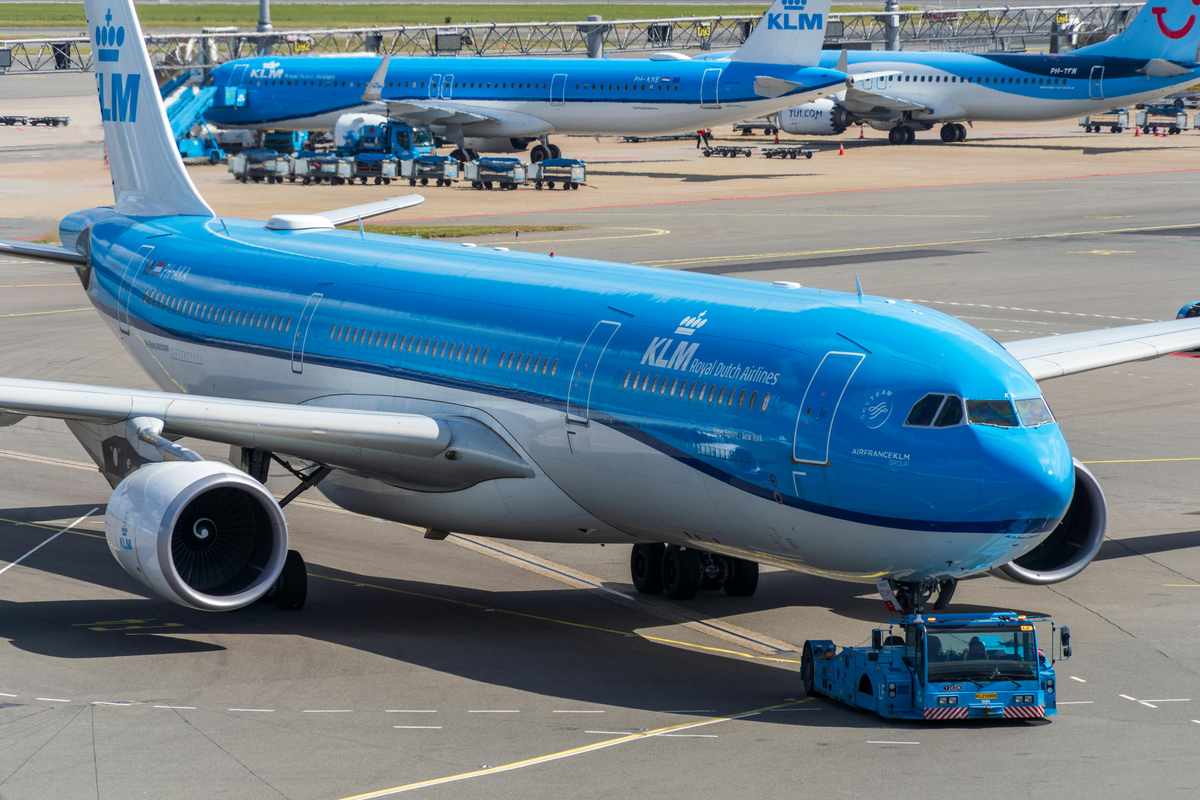
Air France kept its suspensions to Tel Aviv, Beirut, Dubai and Riyadh in place through March 5, 2026 (inclusive), and said there was no confirmed resumption on Thursday. KLM maintained suspensions to Dammam, Dubai and Riyadh through March 9, 2026, while keeping Tel Aviv suspended through the winter season.
The extensions matter for travelers holding tickets around the cutoff dates because “inclusive” timings generally mean flights on those dates remain within the suspension period. Passengers booked near the end of the published window can still face last-minute changes if airlines adjust schedules after operational and security reviews.
Air France’s paused services typically run via Paris Charles de Gaulle, while KLM’s suspended services typically run via Amsterdam. The affected destinations sit on routes that many European travelers use for onward connections as well as point-to-point travel, increasing the knock-on effects when capacity disappears.
The airspace disruptions follow U.S.-Israeli strikes on Iran, the guidance said, with closures and cautions affecting routings. The note pointed to restrictions around Tehran and Baghdad flight information regions, and caution affecting Beirut and Tel Aviv.
For Air France customers, the affected routes include services between Paris Charles de Gaulle and Tel Aviv, Beirut, Dubai and Riyadh. Air France’s suspensions run through March 5, 2026 (inclusive), but the guidance also said Tel Aviv and Beirut were “possibly to March 8,” without a confirmed change to the airline’s published restart.
KLM customers face a different calendar by destination. KLM’s suspensions to Dubai, Dammam and Riyadh run through March 9, 2026, while Tel Aviv remains suspended for the full winter season, the guidance said.
Those different end dates can complicate plans for travelers combining airlines or holding separate tickets. A passenger might find one sector resumes while another remains paused, forcing a fresh rebooking or a refund decision.
Across the affected routes, disrupted travelers are encountering cancellations and limited rebooking inventory, the guidance said. As airlines reaccommodate thousands of customers onto fewer seats, alternative flights can sell out quickly, especially on dates when business travel and school holidays overlap.
Airlines generally handle mass disruptions through waivers that allow fee-free changes or refunds during covered windows, the guidance said. In practice, travelers may see options to move to later dates, take a voucher or credit, or request a cash refund.
Rerouting can also mean different hubs and longer travel times. With some carriers avoiding certain corridors, flights that do operate may take longer routings, while popular alternative airports can become congested as passengers and aircraft concentrate onto fewer paths.
The guidance urged passengers to start with online self-service tools before calling, because customer service lines can be overloaded during major disruptions. Travelers who do need to call can still face waits during peak hours, particularly when schedule updates trigger surges in demand.
For Air France, the guidance directed passengers to check status via airfrance.com or the Air France app and to use “Manage My Booking” for real-time updates on CDG-TLV, CDG-BEY, CDG-DXB and CDG-RUH routes. It also listed the airline’s France number as +33 1 57 32 20 20.
KLM passengers were advised to check klm.com/travel-alerts and “Manage My Trip” at klm.com for AMS-DXB, AMS-DMM, AMS-RUH and AMS-TLV suspensions. The guidance listed KLM’s UK line as 020 7660 0293.
Passenger rights for many of the affected itineraries fall under EU Regulation 261/2004, which sets out remedies when flights are canceled, including for EU carriers such as Air France and KLM and for many itineraries departing the European Union. Under the framework, travelers can typically choose between a refund and rerouting or rebooking on the next available option, which can include partner airlines if offered.
Security-related disruptions can qualify as extraordinary circumstances under EU rules, which can affect eligibility for cash compensation. The guidance said passengers may still retain refund or rerouting rights, even when compensation is not available.
EU rules also include a duty of care concept in certain situations, which can cover reasonable meals, accommodation and local transport where applicable, the guidance said. Travelers seeking reimbursement generally need to keep receipts and submit claims through airline channels.
The guidance said travelers could seek “100% cash back to original payment method” for refunds, and that the process “starts immediately online.” For rebooking, it said waivers allow fee-free moves to later dates within the waiver window, with Air France’s waiver “through March 5+” and KLM’s “through March 9+.”
Some passengers may see rerouting suggestions that involve other airlines with their own disruption policies. The guidance said travelers could “consider Lufthansa or other carriers with similar waivers (FRA/BEY/TLV suspended to March 8),” though it did not list Lufthansa’s full route network or all applicable conditions.
Beyond refunds and rebooking, the guidance said some customers can seek reimbursements for meals, hotels and transport, with claims submitted via airline forms. It referenced claims “up to €600 for long-haul delays,” while stressing the importance of receipts when seeking reimbursement.
Air France’s disruption approach for these routes centers on refunds or rebooking, the guidance said. It also said Air France offers “Full refund or rebook,” and that it provides “no compensation due to security.”
KLM’s approach also includes refunds and rebooking, and the guidance said “expense claims may be available depending on circumstances.” It added that KLM provides “reimbursement for meals/hotels (submit receipts via disruption claim form).”
Passengers deciding how to proceed can face trade-offs between speed and certainty. Taking the first available rebooking can mean longer routings and extra connections, while waiting for a preferred nonstop can leave travelers stranded if suspensions extend again.
The guidance encouraged travelers to have essential details ready when contacting an airline or filing a claim, including booking references, passenger names and the original itinerary. For expense claims, it urged passengers to keep receipts and submit them through the airline’s online process.
For some travelers, travel insurance and card protections can also factor into decisions. The guidance advised passengers to check travel insurance policies, adding that “French policies may exclude UAE/Qatar unless ministry advisory issued (current as of March 4: Iran/Iraq only).”
In the UK, the guidance flagged the use of “Section 75 (UK) for disputes if paid by card,” without detailing eligibility criteria. It did not describe how card issuers would treat claims tied to a suspension or a voucher acceptance.
The disruptions can also spill into routes that remain nominally unaffected. The guidance said that if passengers rebook to “unaffected hubs like Jeddah,” they should “expect 3+ hour delays from congestion,” pointing to pressure on alternatives as demand shifts away from suspended corridors.
Aviation advisories can drive schedule decisions, the guidance said, urging passengers to monitor DGAC and EASA advisories for extensions as conditions evolve. It said Tehran and Baghdad flight information regions remained closed and highlighted caution affecting Beirut and Tel Aviv.
For travelers, the most immediate challenge remains the rolling nature of schedule changes as airlines reassess risk and capacity. With suspensions already extending into March and, for one KLM route, the full winter season, passengers on the affected Air France and KLM services face a planning horizon shaped less by timetables than by the next operational update.