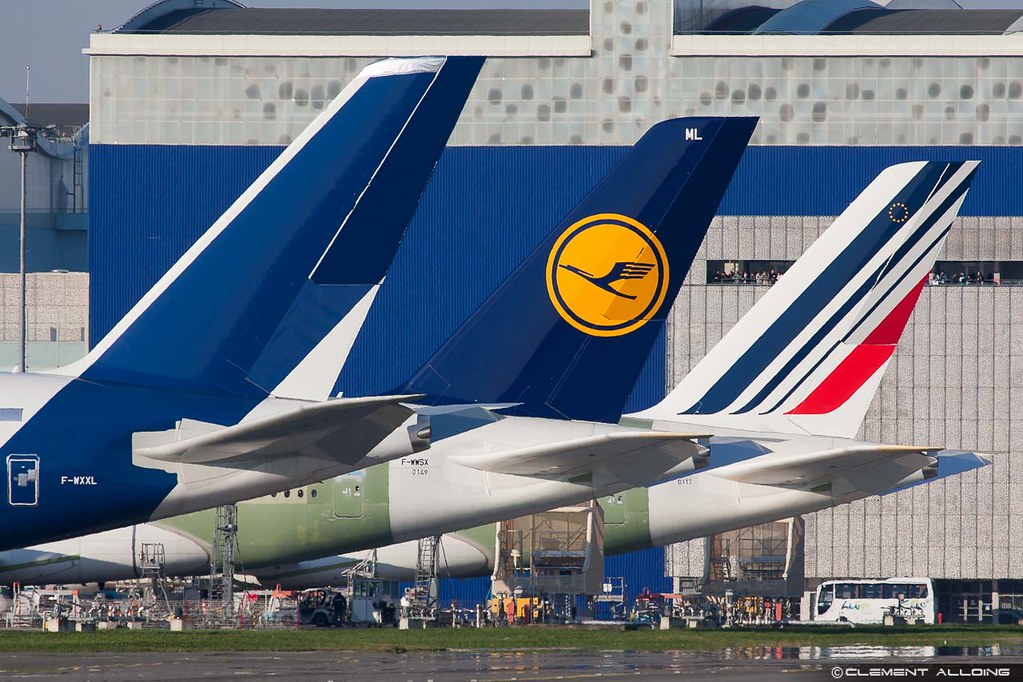
(MUNICH, GERMANY) — Air France AF565 diverted to Munich on Tuesday after passengers and crew reported a smoke smell in the cabin, an incident that can trigger long delays and missed connections on the busy Beirut–Paris corridor.
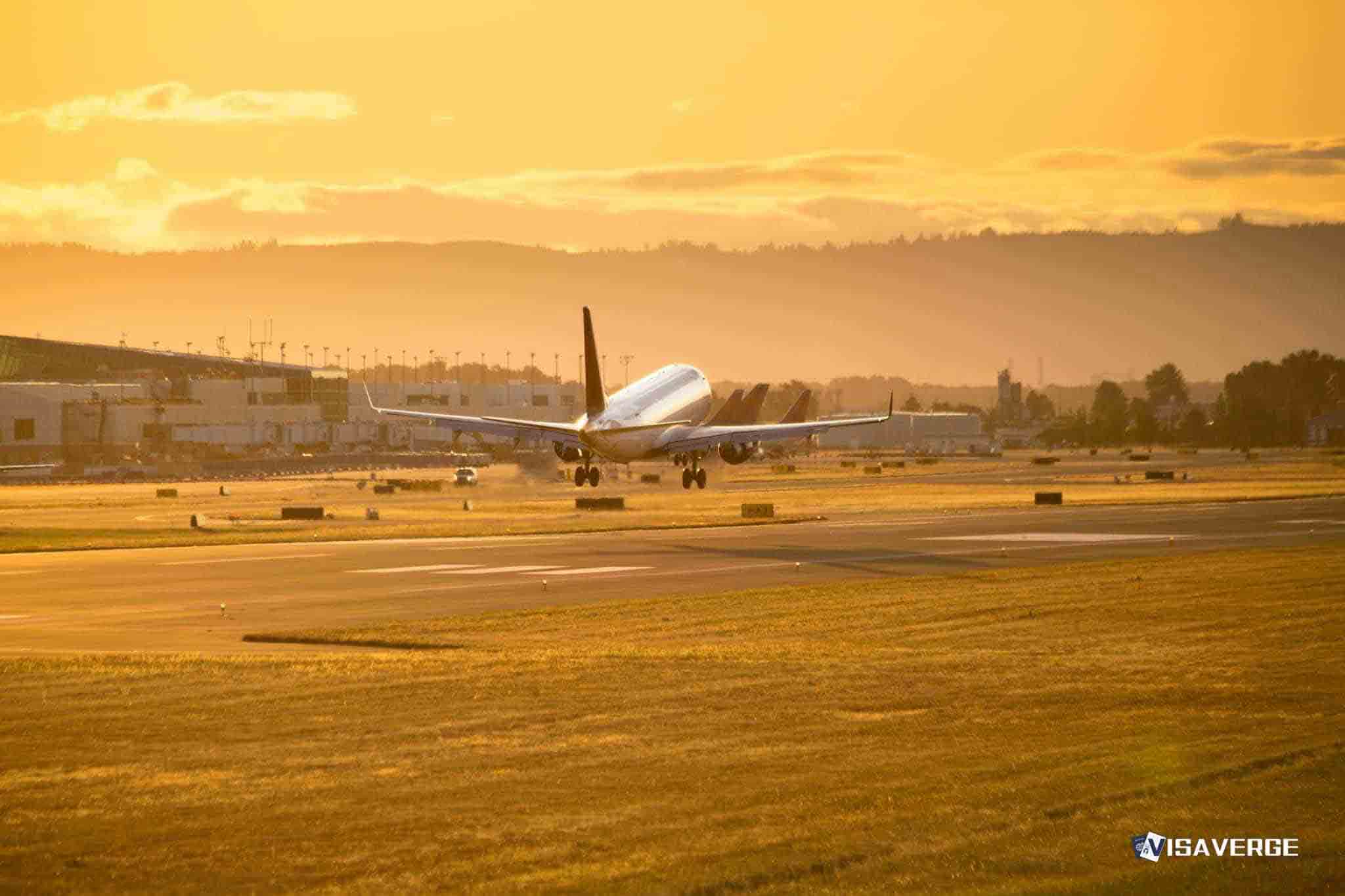
The Airbus A330, operating from Beirut Rafic Hariri International Airport (BEY) to Paris Charles de Gaulle (CDG), landed safely at Munich Airport (MUC) on January 6, 2026. Emergency services met the aircraft on arrival, and there were no initial reports of injuries.
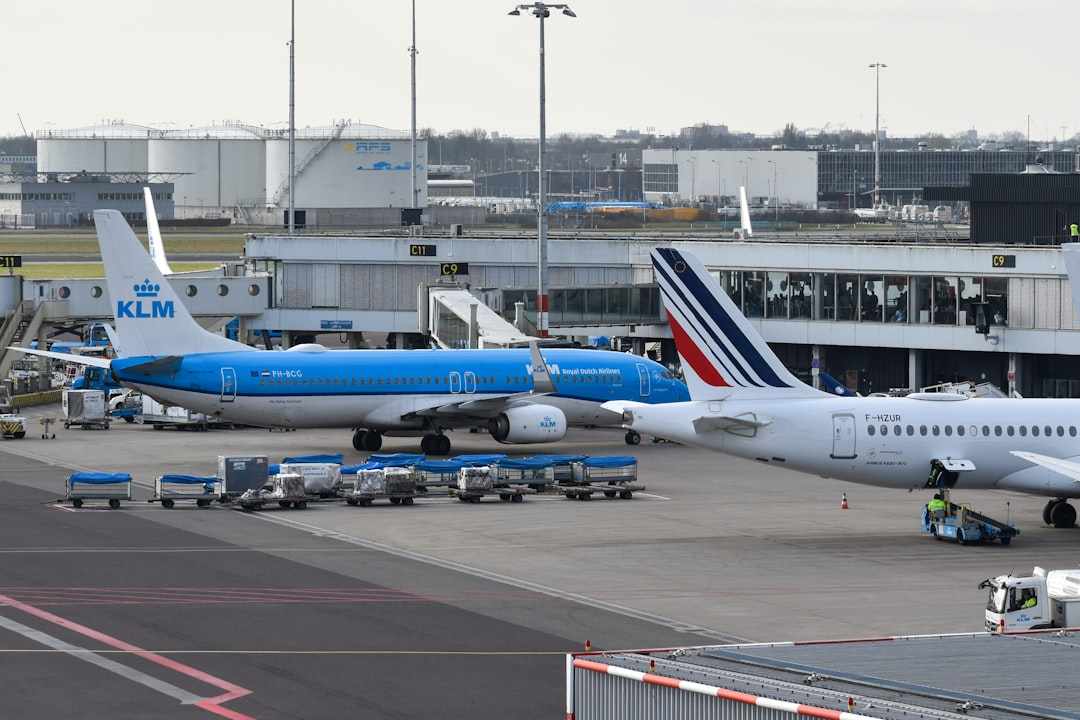
Diversions for smoke or smoke odor are treated as time-critical events in commercial aviation. Even when no visible smoke appears, crews follow strict checklists. Those steps often include donning oxygen masks, isolating potential sources, and landing at the nearest suitable airport.
What happened on Air France AF565
Air France flight AF565 departed Beirut for Paris earlier Tuesday on an Airbus A330. During the flight, the crew reported a smoke smell in the cabin and elected to divert to Munich.
Munich is a major European hub with strong emergency response capability. It is also well positioned for Air France to support passengers onward by air or rail. German airport fire and rescue teams responded as the A330 arrived. The diversion was handled under standard European aviation safety procedures.
Flight details at a glance
| Detail | Information |
|---|---|
| Flight | Air France AF565 |
| Route | Beirut (BEY) → Paris (CDG) |
| Diversion | Munich (MUC) |
| Aircraft | Airbus A330 |
| Date | Tuesday, January 6, 2026 |
| Reported issue | Smoke smell in cabin |
| Injuries | None reported in initial accounts |
Air France had not published a detailed public statement at the time of early reporting. Airlines typically wait for maintenance inspection results before describing a root cause.
What this means for travelers today
If you were on AF565, the main practical impacts are time and logistics. A diversion often creates a cascade of issues that hit travelers hardest:
- Missed Paris connections, including long-haul departures from CDG
- Checked bags delayed in Munich, or delivered later in Paris
- Overnight accommodation needs, especially for families and tight onward schedules
- Rebooking complications when the next flights are full
Even if the aircraft later continues to Paris, crews can time out under duty rules. That can add hours, or force a next-day departure.
Ask Air France to protect your connections immediately after a diversion and request onward routing or a separate ticket if needed to minimize missed connections.
⚠️ Heads Up: If you paid out of pocket in Munich, keep itemized receipts. Save screenshots of delay notices and new boarding passes.
Practical impacts — quick checklist
- Expect delays and missed connections.
- Save receipts for expenses (meals, transport, hotel).
- Take photos/screenshots of new itineraries and boarding passes.
- Check baggage status early with Air France ground staff.
Your rights: EU rules vs non-EU departures
This diversion raises the common traveler question: does EU261 apply? The short answer is yes, but compensation depends on the reason.
Because the flight is operated by an EU carrier (Air France) departing from a non-EU country (Lebanon) to the EU (France), EU261 passenger protections can apply. You may be eligible for duty of care during disruption, such as meals, hotel, and transport, when appropriate.
Cash compensation under EU261 depends on the cause. Smoke smell events can be tied to technical issues, but airlines sometimes classify them as safety-related circumstances. Claims often hinge on the maintenance finding.
EU261 compensation depends on the cause of the disruption. Don’t assume full cash pay-out; keep detailed records and await the airline’s maintenance finding before filing a claim.
| Item | What you can usually expect |
|---|---|
| Rebooking | Air France should reroute you to Paris or your final destination |
| Meals/hotel | Often provided if you’re stuck for hours or overnight |
| Cash compensation | Depends on the final cause and arrival delay length |
| Refund | Possible if you choose not to travel after major disruption |
If you booked via a tour operator or online agency, contact Air France directly first for day-of-travel reaccommodation. Then follow with the agency for any ticketing cleanup.
Miles and points: what to watch for
Diversions can create loyalty quirks, especially if you’re chasing elite status.
If you were rebooked onto another Air France flight, you should still earn Flying Blue miles and XP based on the credited itinerary. Save your original e-ticket receipt and boarding passes because irregular operations sometimes break automatic crediting.
If Air France rerouted you onto a partner airline, mileage credit can change based on booking class. That matters for Flying Blue XP and for crediting to partner programs.
Practical tips for frequent flyers:
- If your new routing changes fare class, take screenshots before you accept changes.
- If you were moved from a nonstop to a connection, expect different earning.
- If you’re short of Flying Blue status, ask to be rebooked on Air France or KLM metal when possible.
- For award tickets, rebookings are often handled as involuntary changes — change fees may be waived, but seat availability can still be limited.
Competitive context: Beirut–Paris options when things go sideways
Beirut–Paris is a high-demand route with limited nonstop capacity. When a widebody like an Airbus A330 goes tech, reaccommodation can get tight quickly.
Common alternate carriers and routings:
- Middle East Airlines (MEA) for nonstop lift when seats exist
- Lufthansa Group options via Munich or Frankfurt for same-day European connections
- Turkish Airlines via Istanbul when Paris is oversold, though it adds time
Your best fallback depends on your passport and any transit visa needs. Most Schengen transits stay airside, but diversions can force landside processing.
Save all receipts for meals, transport, and hotels. Take photos of new itineraries and boarding passes, and check baggage status early with ground staff to avoid delays after a diversion.
A note on “Argentina” mentions in early chatter
Some early summaries floating online referenced Argentina in connection with Air France A330 operations. This AF565 incident is centered on Lebanon, Germany, and France, and the diversion response in Munich.
What to do if your trip was affected
Follow this step-by-step approach:
- Confirm your final destination arrival plan, not just “Paris.”
- Ask Air France to protect your connections, including separate tickets if possible.
- Keep receipts for meals, taxis, and hotels if you had to self-manage.
- After travel, request missing miles or XP with documentation.
If you’re traveling through CDG this week, build a buffer for tight connections. If you must be in Paris Wednesday morning, consider rebooking onto the earliest available departure now, even if it adds a connection.
Air France flight AF565 from Beirut to Paris diverted to Munich on January 6, 2026, after crew detected a smoke smell. The Airbus A330 landed safely without injuries. The incident triggers passenger rights under EU261, potentially providing meals and accommodation. Travelers face delays at CDG and are urged to document all expenses and itinerary changes for compensation claims and loyalty point preservation.