- Federal agents continue Operation Metro Surge across the Twin Cities despite growing local and state opposition.
- Minnesota officials filed a lawsuit to halt the enforcement actions, citing concerns over federal overreach and safety.
- Community groups organized a Day of Truth and Freedom economic blackout scheduled for January 23rd in protest.
MINNESOTA — Federal immigration authorities continued Operation Metro Surge in Minnesota as local leaders and the state pressed for limits on an enforcement effort the Trump administration has framed as a push against criminal activity among immigrants.
The operation, centered on the Twin Cities, has brought thousands of federal agents into Minnesota, drawing sharp attention in Minneapolis and St. Paul and becoming a national flashpoint because of its visibility and political backdrop.
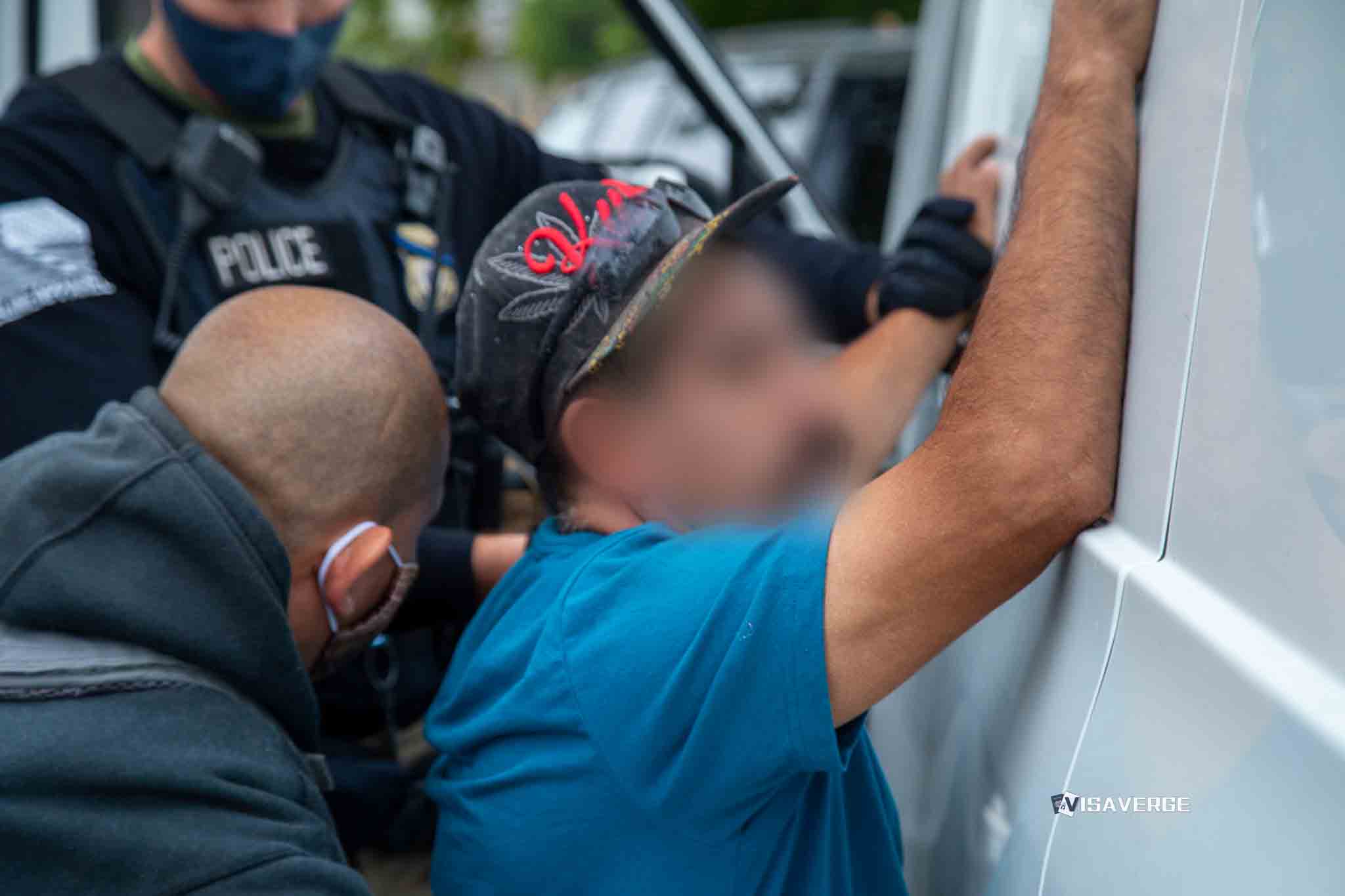
Department of Homeland Security Secretary Kristi Noem said in a press release earlier this month that the operation was targeting criminal activity among immigrants in the state.
Operation Metro Surge has remained the focus of public debate in Minnesota as the state and its largest cities challenge what they describe as an escalated federal footprint, while federal officials argue the effort is aimed at public safety.
Gov. Tim Walz and leaders in the Twin Cities have addressed the operation as it plays out on the ground, with local officials weighing how to respond to heightened federal activity in their communities amid the ongoing surge. Discussion of the enforcement effort and local concerns has intensified alongside ICE operations that have become more visible in the Twin Cities.
Attention has also turned to what happens after Minnesota, with community groups, employers, and local governments looking for signals about where federal agents might deploy next. No location has been announced.
There is no announced information about which city ICE will target next after Minnesota, and the Trump administration has not publicly disclosed plans for ICE’s next deployment location.
That uncertainty has created practical challenges for people trying to plan their lives and work in Minnesota, including families who worry about the pace and reach of enforcement actions and employers who rely on immigrant workers. In the absence of confirmed information about a next city, the operation’s immediate effects have been felt through heightened anxiety, increased demand for legal help, and local governments trying to prepare for rapidly changing conditions tied to immigration enforcement.
The lack of publicly disclosed future deployment locations has also complicated efforts to track what is happening in real time, a problem that advocates and residents say can fuel rumors and misinformation. Public information about enforcement activity can be hard to verify quickly, and questions persist about how to measure the scope of the current operation, as tracking arrests remains elusive publicly.
For immigrants whose legal situations are already complex, uncertainty around enforcement can intersect with broader questions about status and stability. In Minnesota, concerns about potential exposure to enforcement have landed alongside ongoing worries about how temporary protections and changing federal policy can shape daily life, including employment and family decisions, as status uncertainty undermines Minnesota immigrants.
Federal officials and administration allies have pointed to the operation’s stated aim of targeting criminal activity among immigrants, while critics and local officials have described Operation Metro Surge as a sweeping effort that can create fear beyond any specific law enforcement target.
The political context has been central to how the operation is discussed, with references to what some officials describe as a broader pattern in where and how enforcement surges are deployed. Assistant Secretary for Homeland Security Tricia McLaughlin said that:
“Operation Metro Surge fits the Trump Administration’s pattern of targeting Democratic municipalities, including Los Angeles, Portland, Chicago, and Washington-DC”.
McLaughlin’s statement has been echoed in broader debate over whether enforcement decisions are driven solely by operational considerations or also by political geography, with Democratic municipalities often at the center of disputes over how much local governments should cooperate with federal immigration enforcement. Even when federal actions are framed as narrowly focused, the messaging around large-scale deployments can shape local public response, including protests, calls for legislative action, and pressure on mayors and police leaders.
Minnesota’s legal response has become a focal point for that debate, as state and city leaders pursue a court challenge aimed at stopping or limiting the operation.
Minnesota Attorney General Keith Ellison and the cities of Minneapolis and St. Paul filed a lawsuit to halt Operation Metro Surge, placing the enforcement push into a legal fight that could influence how the operation proceeds in the state.
The plaintiffs are seeking court intervention to halt the operation, aligning with a broader trend of legal challenges that have sought to restrict immigration enforcement actions viewed by local or state leaders as overreach. Similar litigation has played out elsewhere, including efforts described in a separate case involving the ACLU lawsuit to halt immigration raids in Southern California.
While the Minnesota lawsuit is directed at the current operation, the issues it raises often turn on the balance of federal authority and local or state interests, including questions of jurisdiction and enforcement discretion. In disputes like this, the federal government typically argues it has broad authority over immigration enforcement and significant discretion over how and where to deploy agents.
The case also carries implications for how local governments communicate with residents during large-scale federal actions, including what warnings or guidance officials can provide without escalating fear or spreading unverified information. For city leaders, the stakes can include community trust in local institutions, particularly when residents feel uncertain about the boundaries between local services and federal enforcement.
Beyond the courtroom, community response in Minnesota has extended to economic protest.
Organizers have planned a “Day of Truth and Freedom” economic blackout scheduled for January 23, an event that comes as Operation Metro Surge continues and as debates over immigration enforcement sharpen in the Twin Cities.
Economic boycotts and blackouts have often been used in immigration enforcement debates as a way to demonstrate community solidarity, draw attention to policy disputes, and apply pressure through consumer behavior. In Minnesota, the planned blackout has become another marker of how the operation has reverberated beyond law enforcement and into civic and economic life.
The backdrop of Operation Metro Surge has also fed a wider argument about how immigration enforcement is carried out in places where local politics and federal politics are at odds. In Democratic municipalities, disagreements can intensify over local cooperation, public messaging, and how to protect residents who may be fearful of any interaction with government systems.
Operation Metro Surge’s presence in Minnesota has made those tensions more visible, as the operation’s scale and sustained nature have prompted questions from residents, local officials, and advocates about what comes next and how decisions are made at the federal level.
Even as Minnesota remains the current focus, questions about a potential next deployment have not gone away. The Trump administration has not publicly disclosed future deployment locations, and no announced information identifies which city ICE will target next after Minnesota.
That absence of public confirmation has left people searching for reliable signals, especially as social media and informal networks amplify claims that can be difficult to verify. It has also increased pressure on local governments and legal aid groups as they attempt to respond to community concerns while avoiding reliance on unconfirmed reports.
For residents and employers seeking reliable information, the most direct sources of confirmation about future deployments are official statements from the Department of Homeland Security and announcements from the White House. Statements from Trump administration officials can also offer indications of priorities or messaging, though they may not provide specific operational details.
Local government briefings can provide information about what officials are hearing and how they are preparing, particularly in places where city leaders and public safety agencies have direct contact with federal counterparts. Legal developments can also serve as a signal of operational shifts, since injunction requests, court orders, and hearings can shape what enforcement looks like on the ground.
In Minnesota, the lawsuit filed by Ellison and the cities of Minneapolis and St. Paul has become one of the clearest formal channels through which the dispute over Operation Metro Surge is being aired, as local officials seek to halt the operation and federal authorities continue to defend its purpose.
The enforcement push has also moved beyond Minnesota’s borders as a political issue, with the operation cited in arguments about whether the administration is emphasizing Democratic municipalities in its most visible immigration actions. McLaughlin’s statement listing Los Angeles, Portland, Chicago, and Washington-DC has reinforced that framing for supporters and critics alike, even as the administration has not identified any next city after Minnesota.
As the operation continues in the Twin Cities and the legal challenge proceeds, Minnesota residents are left with a simple, unresolved question—where ICE goes after Minnesota remains unannounced—while the debate over Operation Metro Surge grows louder in a state now at the center of a national immigration fight.