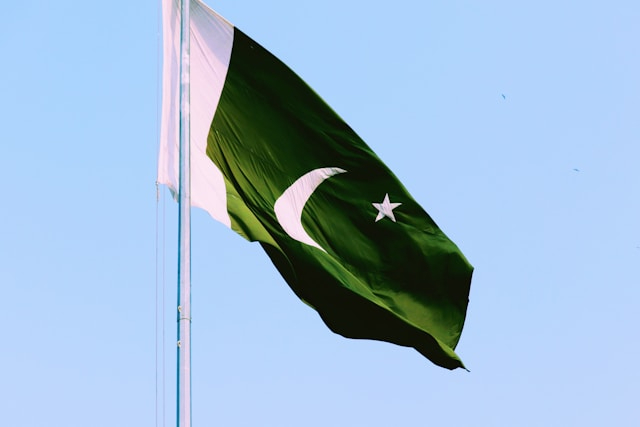
(PAKISTAN) Pakistan has deported over 930,000 Afghans in 2025, officials and aid agencies say, as a sweeping enforcement drive pushes Afghan refugees and other long-term residents across the border at a pace the United Nations says now exceeds 7,000 people a day. The UN reported that by December 20 at least 2.8 million Afghans had returned from Pakistan and Iran combined this year, with 67% of those returns forced — a shift that humanitarian groups warn is sending families back into danger in Taliban-controlled Afghanistan.
Scope and scale of the returns
- Pakistan’s deportation total in 2025: over 930,000.
- Combined returns from Pakistan and Iran by Dec 20, 2025: at least 2.8 million (UN figure).
- Proportion forced: 67% of combined returns.
- Returns are up 62% from 2024, according to UN figures cited in the source material.
- UN daily crossing figure reported as above 7,000 people per day as of Dec 20, 2025.
The UN says the scale is not just a Pakistan story. Iran has returned 1.8 million Afghans in 2025, with a peak of 373,000 in July after headcount documents expired on March 21, 2025. Amnesty International’s combined estimate is slightly lower at 2.6 million, while the source material also notes returns from Tajikistan (about 1,700) and thousands from Turkey, showing a broader regional squeeze on Afghans.
Pakistan’s enforcement policy and practices
Pakistan’s “Illegal Foreigners Repatriation Plan”, confirmed by authorities on July 31, 2025, has widened from targeting undocumented migrants to including people who say they hold temporary paperwork such as Proof of Registration (PoR) cards or Afghan Citizen Cards (ACC).
Refugees interviewed by rights groups describe:
– Police raids
– Detention
– Pressure to leave even when documents have not expired
Aid groups report that many people with PoR and ACC cards—long used to live and work in Pakistan—have still been vulnerable to detention despite holding valid documents. Lawyers and advocates say lack of clear public guidance and misinformation make people more likely to sign “voluntary” return papers under pressure.
“This rush to forcibly return people to Afghanistan ignores why they fled… and violates the binding principle of non-refoulement.”
— Smriti Singh, Amnesty International, Regional Director for South Asia
What returnees face at the border
At the Torkham crossing, one of the busiest routes out of Pakistan, aid workers have observed convoys of families arriving in waves. The source material reports:
– 700–800 families per day passing through Torkham.
– More than 280,000 Afghans returned from Pakistan by May 2025 alone.
– Many arrive carrying only bedding, cooking pots, and plastic bags of documents.
A Taliban official at the crossing, Bakht Jamal Gohar, told journalists returnees typically receive 4,000 to 10,000 Afghanis (roughly a week’s survival money) before moving on.
Protection risks and legal concerns
Humanitarian and rights groups warn the returns risk breaching the principle of non-refoulement, which bars sending people back to situations of serious harm. UN agencies and rights groups say enforcement has swept up people who tried to comply with Pakistani rules.
Specific protection concerns cited:
– Women and girls face special protection risks, including restrictions on movement, work with UN/NGOs, and education beyond age 12.
– Former government or security workers face arrest, torture, or killings despite the Taliban’s 2021 amnesty.
– Activists and those with visible online profiles or past advocacy risk being targeted; the source material describes a returned activist whose family was arrested in efforts to locate her.
UNHCR and other agencies have warned that these restrictions can turn return into a form of punishment and increase vulnerability.
Individual and family impacts
The source material provides specific human examples:
- Gull Agha, an ex-security worker deported from Iran in April 2025, could not return to his home area due to Taliban arrests, torture, and killings of former officials despite the amnesty.
- Human rights researchers report families moving frequently to avoid checkpoints and local lists.
- There are unconfirmed accounts of 15 to 40 or more deaths among people attempting to re-enter Iran, indicating the desperation of some returnees.
Socioeconomic and humanitarian pressures
Returnees are arriving in a country already under heavy strain:
- 22 million people in Afghanistan need aid, according to the source material.
- The small cash aid at the border (4,000–10,000 Afghanis) often runs out after paying transport and temporary shelter.
- 60% of returnees are women and children, per Amnesty and UN figures, increasing pressure on households with limited work access.
- Aid groups warn that winter conditions and rising food prices can push returnees into debt within days.
The speed of movements makes it difficult for agencies to track who is returned and whether people had a chance to challenge removal.
Social and community consequences in Pakistan
Many deported people say Pakistan has become the only home they know. Waves of displacement over four decades mean many children in Pakistani cities have never lived in Afghanistan. Community effects include:
– Parents pulling children from school
– Landlords canceling leases
– Small shops closing as owners try to sell stock before leaving
In crowded holding areas, families share intelligence about which districts are conducting raids and which routes may be open.
Information gaps and official communications
Pakistan’s government has not published a single, detailed public rulebook for every stage of the repatriation plan, leaving many Afghans relying on rumors and word of mouth. For official notices and policy updates, the Pakistan Ministry of Interior posts information on its site at Ministry of Interior.
Aid groups emphasize that access to clear information matters as much as food or tents when families decide whether to stay, hide, or cross.
International responses and policy implications
Outside Pakistan, governments that resettle refugees have faced calls to accelerate pathways for Afghans who worked with international missions or who have close family abroad. Amnesty urged world leaders — including in Germany and Austria — to halt deportations after interviewing 11 returnees and people at risk between July and November 2025, according to the source material.
Analysis by VisaVerge.com cited in the source material suggests the scale of returns from Pakistan and Iran is now large enough to affect regional labor markets and border management, even for countries far from South Asia that are processing Afghan asylum claims.
UN experts and the UN human rights office (OHCHR) have also raised alarm about Pakistan’s plan, the source material notes.
Key takeaways
- The 2025 returns are massive in scale: over 930,000 deported from Pakistan, 1.8 million returned from Iran, and 2.8 million combined according to the UN.
- A large share of returns are forced (67%), raising non-refoulement and protection concerns.
- Vulnerable groups — especially women, children, former government/security workers, and activists — face heightened risks on return.
- Humanitarian needs in Afghanistan are acute, with 22 million people needing aid and limited immediate support for returnees.
- Lack of clear procedural guidance and rapidly accelerating returns hinder tracking, legal recourse, and effective assistance.
For further official updates from Pakistan’s authorities, see the Ministry of Interior: Ministry of Interior.
In 2025, Pakistan and Iran forced the return of millions of Afghans, with Pakistan alone deporting over 930,000 people. Rights groups emphasize that 67% of these returns are involuntary, breaching international protections. Those returning face severe risks, including persecution of former officials and systemic restrictions on women. With Afghanistan’s economy struggling and 22 million people needing aid, this mass displacement creates a catastrophic humanitarian emergency.