(UNITED STATES) — The Trump administration has moved to deport Venezuelans who lost Temporary Protected Status (TPS) after ending the program’s designations and pointing to changed conditions following the U.S. capture of Nicolás Maduro, leaving approximately 600,000 people facing deportation risk.
Homeland Security Secretary Kristi Noem defended the shift on Fox News Sunday on January 4, 2026, saying
“Venezuela is “more free than it was yesterday” and urging affected Venezuelans to seek “refugee status” as an alternative, a position the Department of Homeland Security later clarified applies only to people outside the United States.

USCIS spokesperson Matthew Tragesser said the administration will process asylum and refugee requests under existing law, while encouraging Venezuelans to use the CBP Home app for “safe and orderly return” to Venezuela.
DHS Assistant Secretary Tricia McLaughlin, describing the government’s view of post-Maduro Venezuela, said
“deportees can “go home with hope for their country, a country that they love that is going to have peace, prosperity and stability.”
The deportation push follows the administration’s termination of TPS protections that had allowed hundreds of thousands of Venezuelans to live and work legally in the United States while conditions in their country prevented safe return.
A 2021 TPS designation covering around 268,000 Venezuelans ended in November, and a 2023 designation for about 348,000 ended in April, leaving many with dwindling options as they confront removal proceedings or prepare to leave.
The Trump administration ended TPS for Venezuelans while citing improved conditions, and the Supreme Court allowed the termination to proceed despite ongoing lawsuits. A Ninth Circuit hearing is scheduled next week, where Maduro’s capture may be raised.
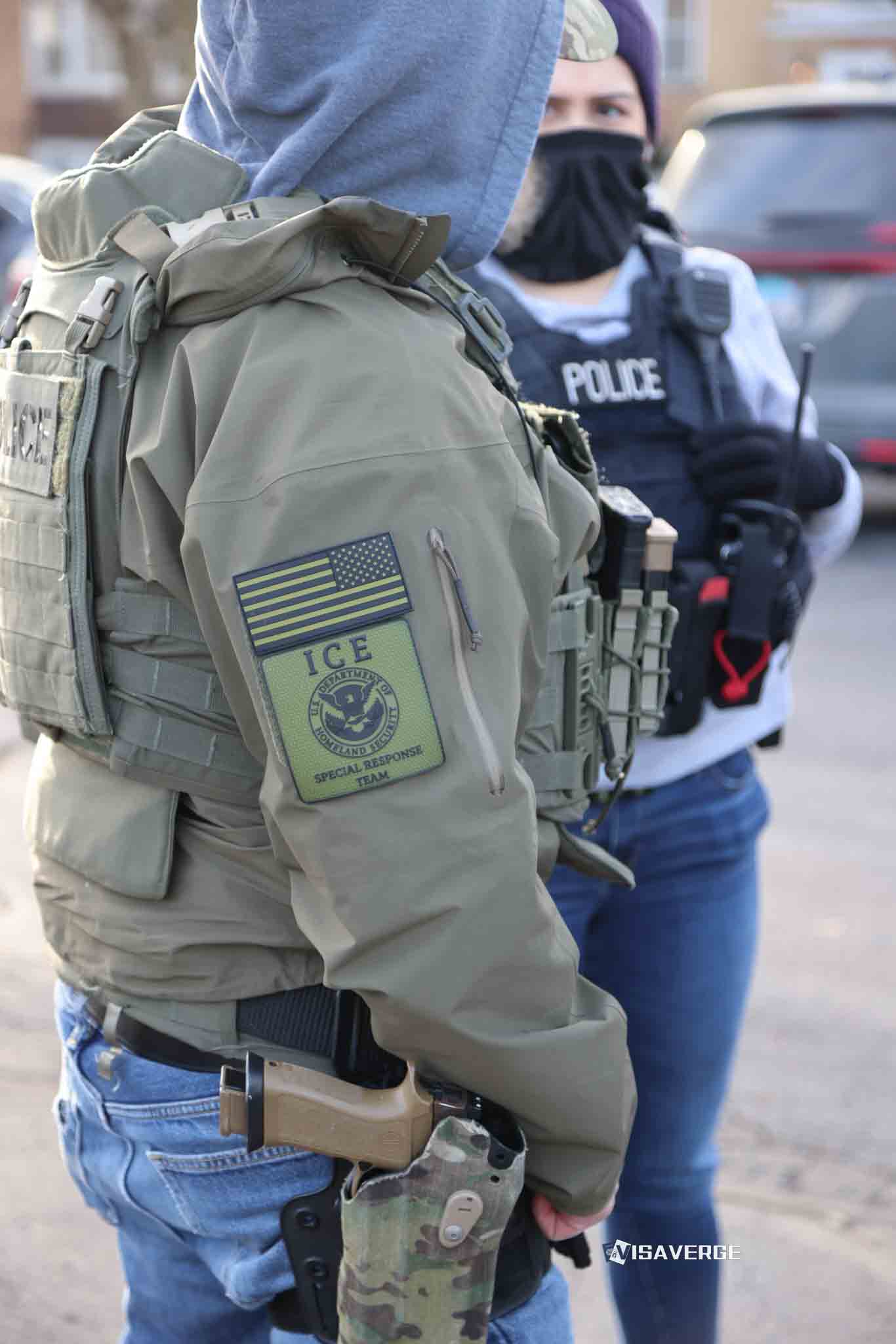
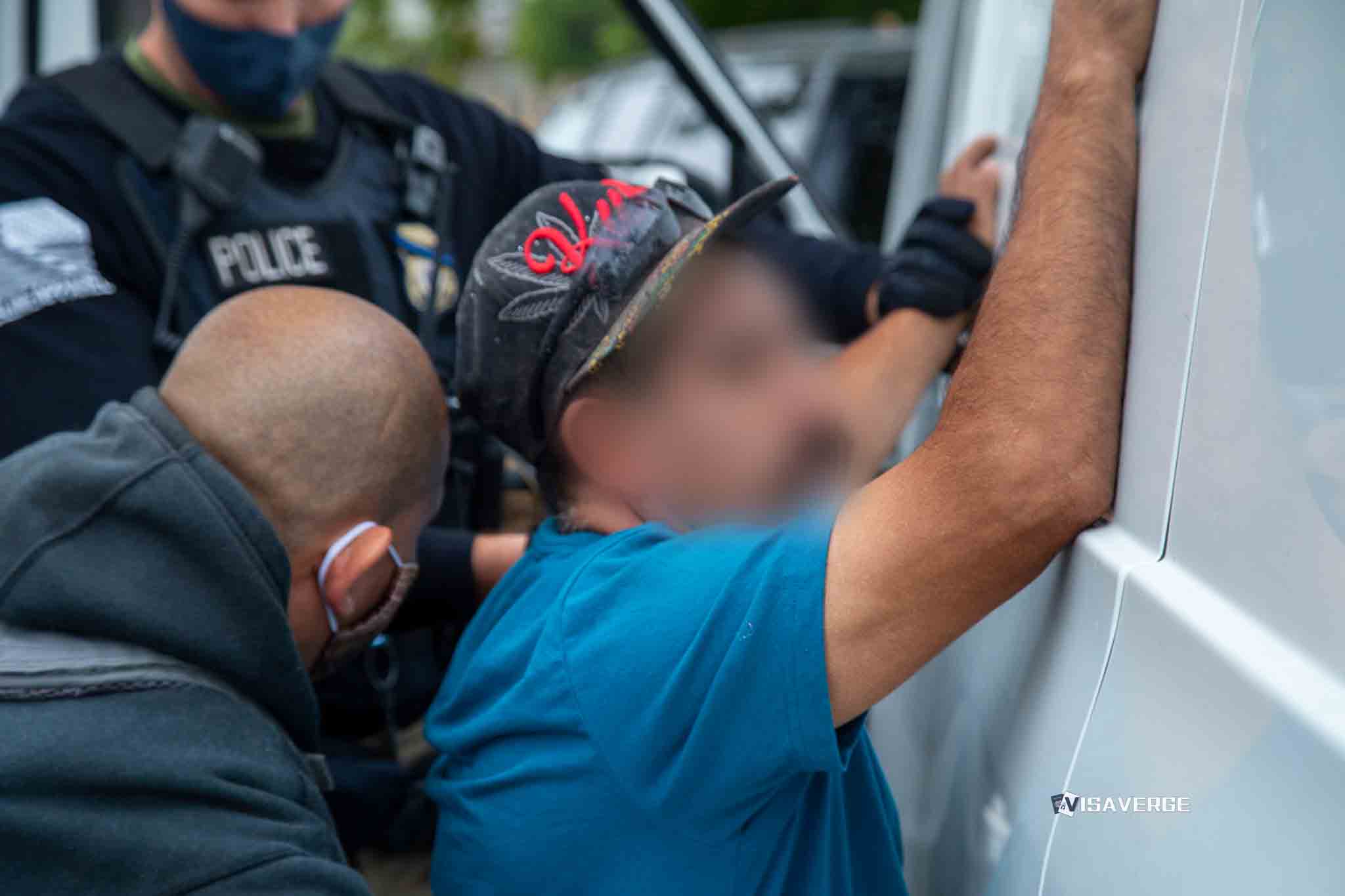
The policy changes are colliding with the immediate reality of deportation enforcement. Over 13,000 Venezuelans were deported last year after TPS revocation, and ICE plans increased deportation flights.
Rep. Dan Goldman (D-N.Y.) described what he said he heard during an oversight visit, recounting a supervisor’s statement:
“in light of Nicolás Maduro’s abduction this past weekend, the Department of Homeland Security is going to reevaluate possibility ofing Venezuel back”.
Venezuela has been non-cooperative and has accepted few deportees, the material said, with many Venezuelans instead sent to Mexico. DHS also confirmed post-capture deportation flights continue, despite mid-December claims otherwise.
Beyond those who relied on TPS, other pathways that brought Venezuelans to the United States are also under strain. Over 200,000 Venezuelans entered via CBP One parole, and 117,000 arrived through former President Biden’s CHNV parole program for Cuba, Haiti, Nicaragua, and Venezuela.
Both face termination challenges, with a Boston appeals court upholding endings in September. A USCIS December memo holds asylum applications, and immigration processing is suspended for Venezuelans on the travel ban list.
The administration’s message has placed new urgency on asylum, even as many Venezuelans face obstacles to applying. Most TPS holders exceed the one-year filing deadline, and backlogs and shifting court conditions add pressure on those trying to mount last-minute claims.
Roughly a third of the 117,000 CHNV parolees applied by March 2025, but cases face backlogs, fired judges, and rising denials that climbed from 50 in January 2025 to over 1,200 in November.
Christopher Helt, National Trial Lawyers Immigration Law Section President, said:
“for those who want to file now, they are facing a huge uphill battle”.
The government has also reshaped immigration court priorities. The Justice Department’s immigration courts are prioritizing deportations through new “deportation judges,” the material said, a move that coincides with the broader effort to accelerate removals as protections fall away.
In communities with large Venezuelan populations, the end of TPS is triggering fear and organizing. About 50,000 Venezuelans settled in Illinois after busing from Texas, the material said, adding another flashpoint for local advocates calling for restraint.
Luciano Pedota of Illinois Venezuelan Alliance urged a halt to deportations, saying:
“It’s still a very dangerous place”.
South Florida, long a hub for Venezuelans and other Latin American diaspora communities, has also been swept by anxiety. Lawyer John De La Vega said “hundreds of people” fear asylum denials after Maduro.
Rossaly Nava, 43, from Maracaibo, said:
“I can’t return until I’m certain that those who attacked me won’t be there,” citing risks from figures like Diosdado Cabello.
Adelys Ferro of Venezuelan-American Caucus tied the community’s flight from Venezuela to the sudden loss of U.S. protections, saying:
“We victims of Nicolás regime, we are also victims of the policies of the Trump administration”.
Local officials have joined the criticism. Miami Mayor Eileen Higgins called the end of TPS “reckless, dangerous and incorrect”, echoing arguments that Venezuela remains unstable even after Maduro’s capture.
Julia Gelatt of the Migration Policy Institute described the simplified political argument now emerging around deportations, quoting the line: “with Maduro gone, Venezuelans should go home”.
Ahilan Arulanantham of UCLA challenged that premise, saying:
“The country remains unsafe. If anything, it’s more obvious now”.
The legal fight over TPS is continuing, with ongoing suits challenging the endings on racial animus grounds, the material said. Maduro’s capture, and the administration’s claims about changed conditions, are now colliding with court arguments about whether Venezuelans can safely return.
The material said Maduro’s capture included his wife, Cilia Flores, who has been indicted in Southern District of New York on narcoterrorism. It also said U.S. threats of further action have heightened uncertainty.
Venezuela’s leadership is also in flux, the material said, with Vice President Delcy Rodríguez holding interim power amid Chavismo remnants, a situation that has left many Venezuelans in the United States unsure what awaits them.
Helen Villalonga of Amavex warned that uncertainty could deepen risks for those forced back, saying:
“Venezuelans “need protection now more than ever””.
While the administration has urged Venezuelans to consider asylum or other relief, the material said DHS later clarified Noem’s suggestion about “refugee status,” emphasizing that refugee status applies only to those outside the United States.
That clarification leaves many TPS holders with limited immediate alternatives if they cannot meet asylum requirements or if they fear applying will not stop their deportation. The shifting rules have also forced families to weigh whether to fight their cases in crowded courts or accept removal.
The government, for its part, has promoted its return tools and framed deportation as orderly and forward-looking. Tragesser pointed to “safe and orderly return” through the CBP Home app, while McLaughlin described deportation as a chance for Venezuelans to return to a country she said is moving toward “peace, prosperity and stability.”
The dispute over deportation, however, is unfolding against reports that Venezuela has accepted few deportees, leaving enforcement agencies to route many removals through Mexico. That dynamic has complicated the administration’s effort to scale up flights and rapidly remove those who lost status.
The coming Ninth Circuit hearing next week now looms as a key test for TPS policy and for Venezuelans trying to pause deportation while the lawsuits proceed, as lawyers and advocates weigh how Maduro’s capture will be used in arguments over the country’s safety.
For Venezuelans who built lives under Temporary Protected Status (TPS), the policy shift has compressed years of uncertainty into days, as advocates warn that the change is hitting people who fled political persecution and who still fear those left behind.
USCIS spokesperson Matthew Tragesser said the administration will process asylum and refugee requests under existing law, while other officials discussed alternatives.
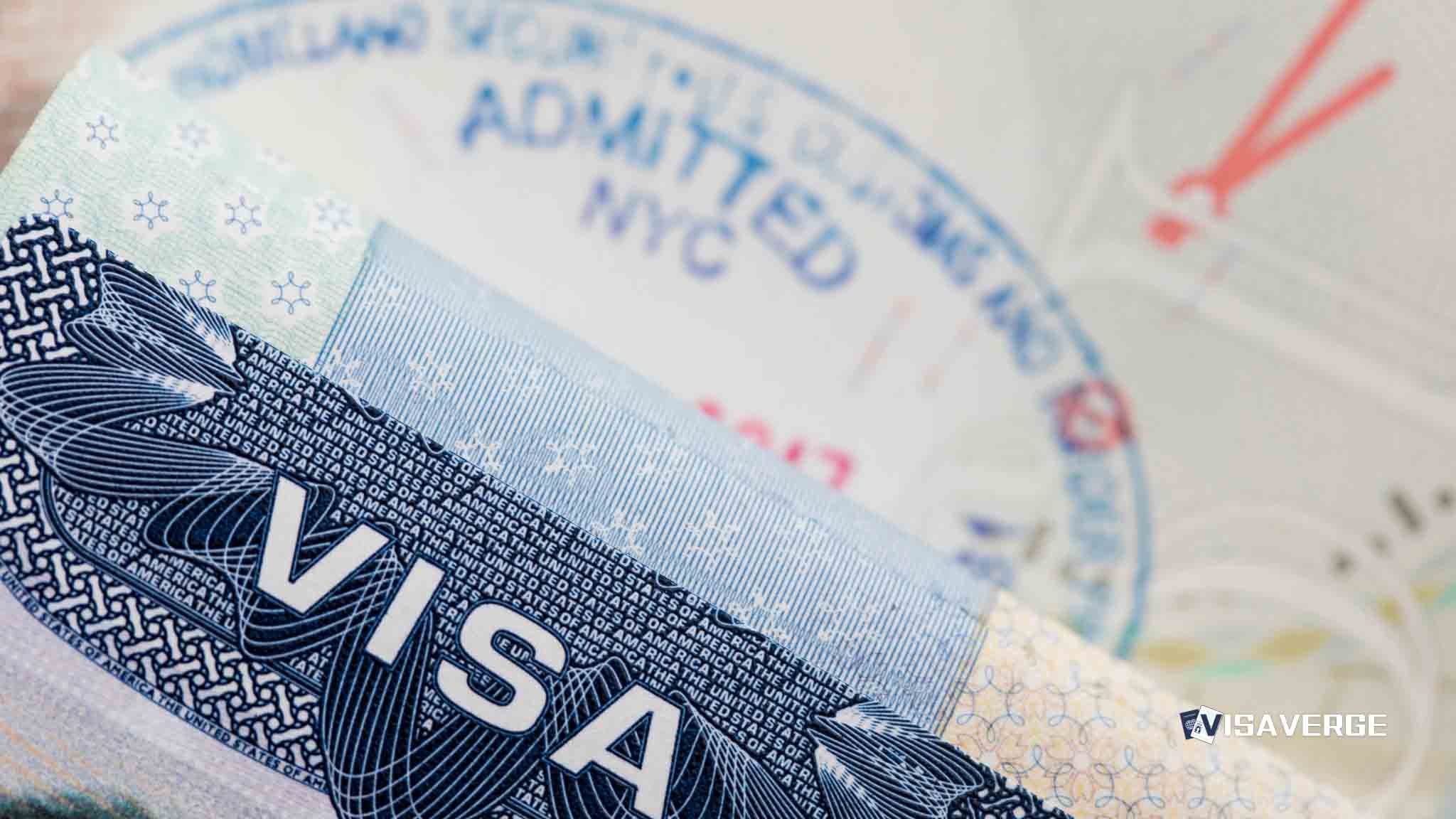
The Trump administration’s decision to end TPS for Venezuelans follows USCIS and DHS policy processes. Information on TPS (Temporary Protected Status) for Venezuelans and related guidance is available from USCIS.
Following the capture of Nicolás Maduro, the U.S. government has ended TPS protections for 600,000 Venezuelans. Despite administration claims of improved stability and freedom, advocates argue the country remains unsafe. Legal challenges regarding racial animus are ongoing, while the Department of Homeland Security accelerates deportations through specialized judges. Many Venezuelans now face a difficult path toward asylum amid significant court backlogs and rising denial rates.