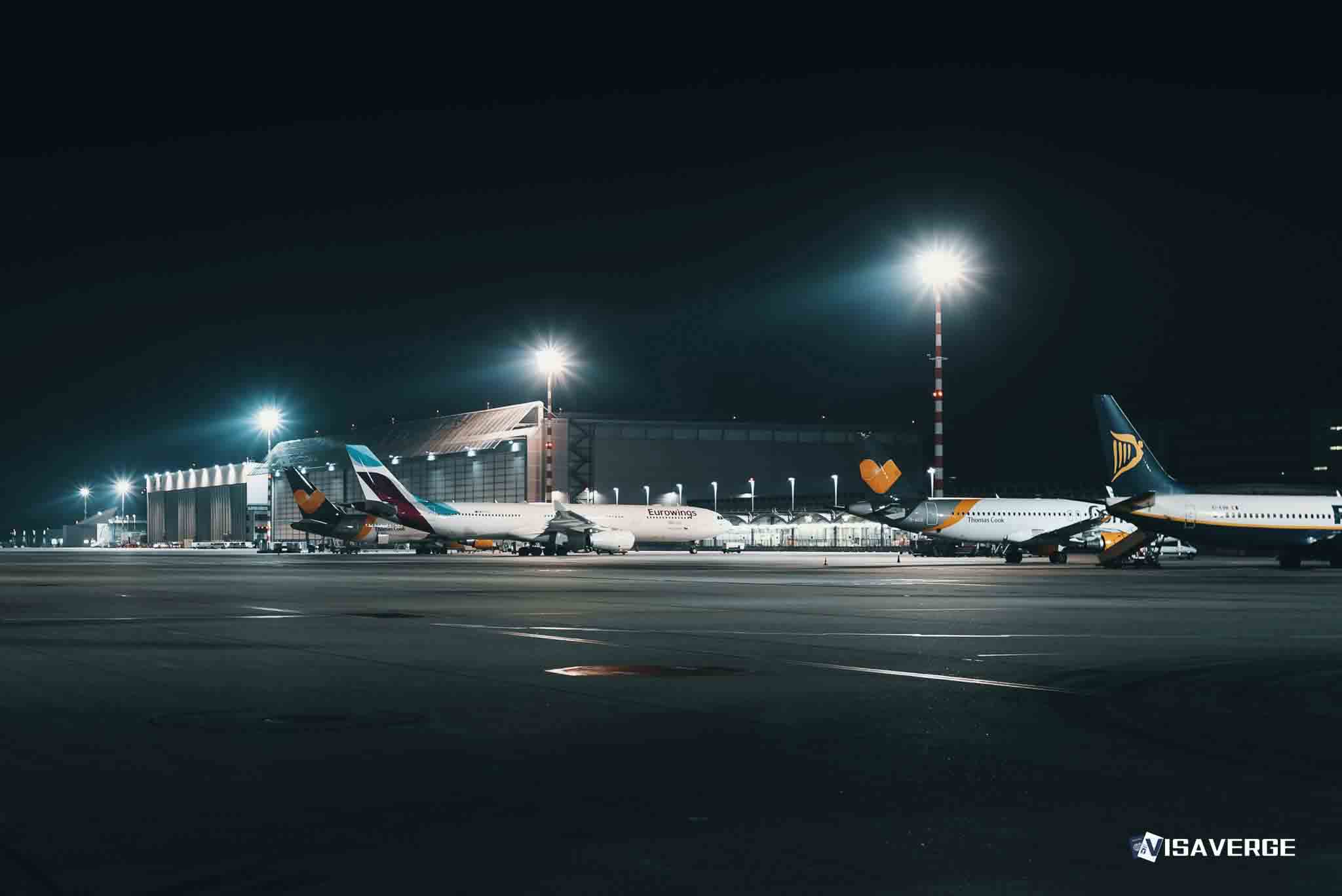
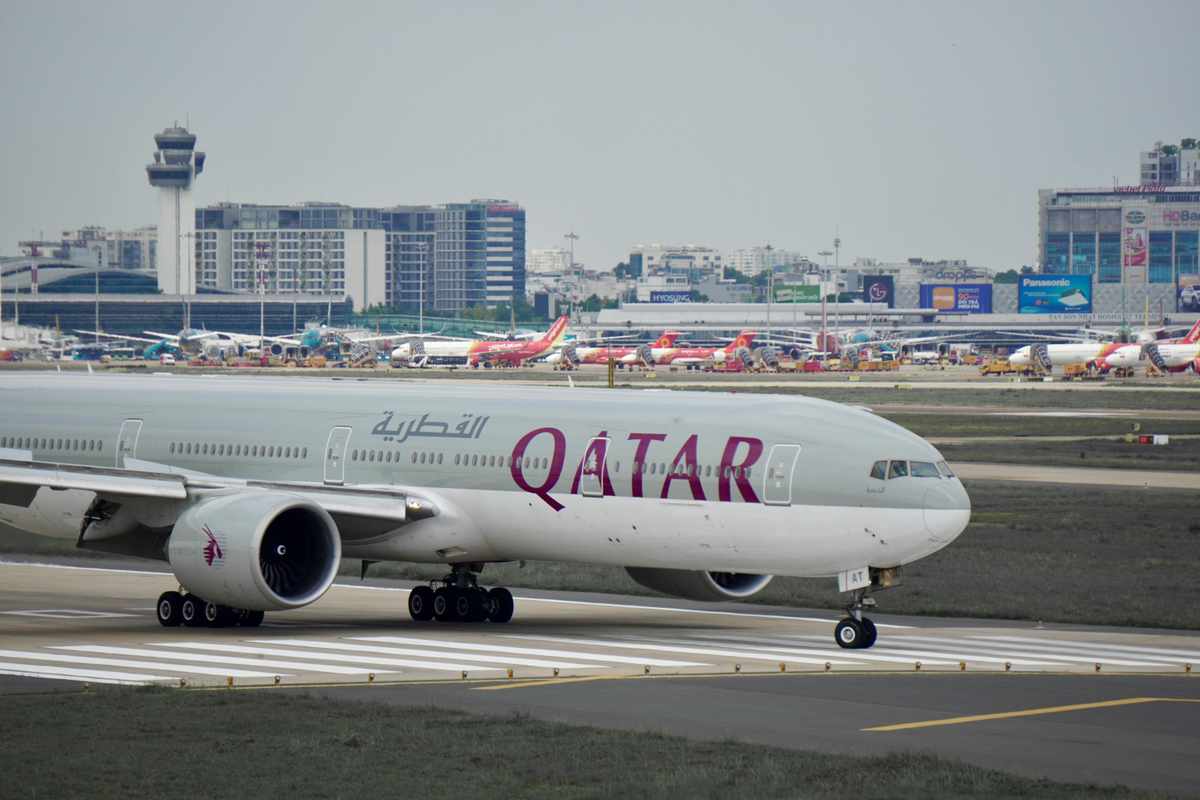
(ABU DHABI, UAE) — Gulf carriers left 33 widebody jets stranded across 13 North American airports on Monday after Middle East airspace closures blocked long-haul aircraft from returning to their home bases.
The out-of-position jets, reported as of March 2, 2026, include aircraft operated by Emirates, Qatar Airways and Etihad Airways, along with Middle East Airlines. Airlines and airports did not publish a full location-by-location breakdown.
Widebody jets sit at the center of intercontinental schedules, and keeping dozens overseas can quickly strain crew rotations, maintenance routing and long-haul capacity. Even when some flights resume, carriers can face aircraft shortages on other routes because the biggest jets are in the wrong place.
Middle East airspace remained largely closed, and the UAE airspace also shut temporarily, creating a moving operational freeze that affected flights already overseas and others still inbound. When closures arrive with little warning, airlines often face a split network of aircraft that cannot safely or legally reposition.
Reports tied the latest disruption to regional conflict and security incidents, including an Iran drone attack on Abu Dhabi airport on Sunday. That attack killed one Nepali national and injured seven others, the reports said.
Airlines typically respond to fast-moving security developments by suspending flights, limiting operations or attempting controlled repositioning to protect crews and aircraft. Those decisions can strand passengers as well as planes, and they can leave pilots and cabin crews stuck far from where they are scheduled to work next.
Etihad Airways suspended all scheduled commercial flights to and from Abu Dhabi until Tuesday afternoon, while also operating repositioning flights when operational conditions allowed and safety approvals were in place. Those movements included an Airbus A380 to London and widebody flights to Europe, Asia, Africa, Dammam and Cairo.
Emirates planned limited flights from Dubai on Monday evening and advised passengers not to head to airports without notification. Elsewhere in the region, flights from Qatar, Bahrain and Kuwait stayed fully suspended, tightening the bottleneck for aircraft trying to move back toward Gulf hubs.
Middle East Airlines appeared among the carriers with widebody aircraft stuck in North America, underscoring how airspace closures can spill beyond the biggest hubs and reach airlines with smaller long-haul fleets. With widebody jets, a single aircraft can represent a large share of a carrier’s daily capacity.
Lufthansa offered a separate example of how staffing limits can halt flying even when an aircraft is available. A Lufthansa Airbus A380 that had been in Abu Dhabi for maintenance departed for Munich empty, with only two pilots on board, after the airline could not secure 17 flight attendants under the restrictions described in the reports.
Such ferry flights illustrate a constraint airlines repeatedly confront during abrupt closures: crew legality can matter as much as aircraft access. Duty-time rules, hotel availability, local movement limits and security requirements can prevent assembling the full complement needed to carry passengers.
The disruption extended well beyond the aircraft parked in the United States and Canada. Reports described hundreds of thousands of travelers stranded globally, reflecting cancellations, missed connections and the knock-on effects of networks built around tightly timed arrivals and departures.
At least 145 planes diverted en route to Middle East destinations such as Tel Aviv and Dubai, the reports said. Diversions can further complicate recovery because aircraft land at airports that were never planned as endpoints, leaving crews out of position and maintenance checks harder to schedule.
Even if airspace restrictions ease, airlines still need time to unwind the backlog. Aircraft must return to planned routes, crews must be reassigned or rested, and airports must absorb waves of delayed arrivals while accommodating rebooked passengers.
No confirmed timeline existed Monday for the stranded North American jets to return, the reports said. Airlines must wait for airspace reopening, safety clearances, operational approvals, crew availability and workable aircraft positioning plans before long-haul schedules can normalize.