

Policy changes in 2025 rewired how employers plan H-1B hiring and how applicants experience screening at nearly every step of the immigration system. Three tracks moved in parallel: H-1B Visa Reform that changes cost and selection, a fast expansion of biometrics and identity checks across agencies, and national-security actions that pause or slow other adjudications that can intersect with employment cases. The throughline is enforcement-first framing from DHS and USCIS leadership, with adjudications treated as a gatekeeping function rather than a service workflow.
Kristi Noem, as DHS Secretary, defended continuing visa programs while tightening screening. She said the government would keep using visa programs but ensure “integrity” and screen out terrorist supporters and “organisations that hate America.” Joseph Edlow, as USCIS Director, put the philosophy more bluntly on August 4, 2025: “USCIS must be an immigration enforcement agency… the adjudication of immigration benefits is inherently an act of enforcement.” That posture matters because it connects H-1B rules, border biometrics at airports, land borders, and seaports, and even asylum processing into a single compliance and risk story.
H-1B: from lottery mechanics to price-and-priority signals
Two late-year changes reshaped the H-1B program’s core incentives. One hits budgets right away. The other changes who gets selected.
First, the $100,000 proclamation fee for certain new filings. On September 19, 2025, President Trump issued the “Proclamation on Restriction on Entry of Certain Nonimmigrant Workers.” It became effective on September 21, 2025. The practical effect is narrow but steep: an additional $100,000 payment applies to new H-1B petitions filed by workers outside the United States.
USCIS set the compliance trigger in a public alert on October 20, 2025: “New H-1B petitions filed at or after 12:01 a.m. EDT on September 21, 2025 must be accompanied by an additional $100,000 payment as a condition of eligibility.” USCIS also clarified limits that employers have to internalize. The $100,000 does not apply to renewals, amendments, or people who already hold valid H-1B status. That distinction splits the labor market: hiring a new worker abroad can become dramatically more expensive than retaining or extending a worker already in the United States.
Cost signals often change behavior faster than selection formulas. A six-figure add-on can:
- Push employers toward domestic recruiting
- Encourage longer retention of current employees
- Shift which roles are sponsored at all
- Price out smaller firms, while large employers may reserve payments for revenue-impact roles
Second, the end of the random lottery for cap cases—replaced by a weighted selection system. On December 23, 2025, DHS announced a final rule replacing the lottery with a weighted selection system that prioritizes “higher-skilled and higher-paid aliens,” with an explicit goal of protecting American wages. The rule takes effect on February 27, 2026, and is designed for the FY 2027 cap season.
For employers, that changes planning assumptions:
- Under the lottery, randomness could advantage early-career candidates.
- Under a weighted system, compensation and skill signals become central to selection odds.
- This may push wages upward for sponsored roles and compress opportunities for early-career candidates who relied on the lottery’s randomness.
Vetting expands beyond forms: public social media disclosure for H-1B and H-4
Effective December 15, 2025, the State Department expanded “online presence” reviews to all H-1B and H-4 applicants. Applicants must disclose social media profiles and make them public for security screening.
This is not a small procedural tweak. Social media review introduces ambiguity because content is contextual, multilingual, and often tied to past political speech. Employers do not control this risk, yet it can affect hiring timelines and consular outcomes. Families are pulled in as well: H-4 dependents are subject to the same disclosure expectation, which can turn one principal-worker case into a multi-person screening exercise.
Biometrics in 2025: toward a “person-centric” identity framework
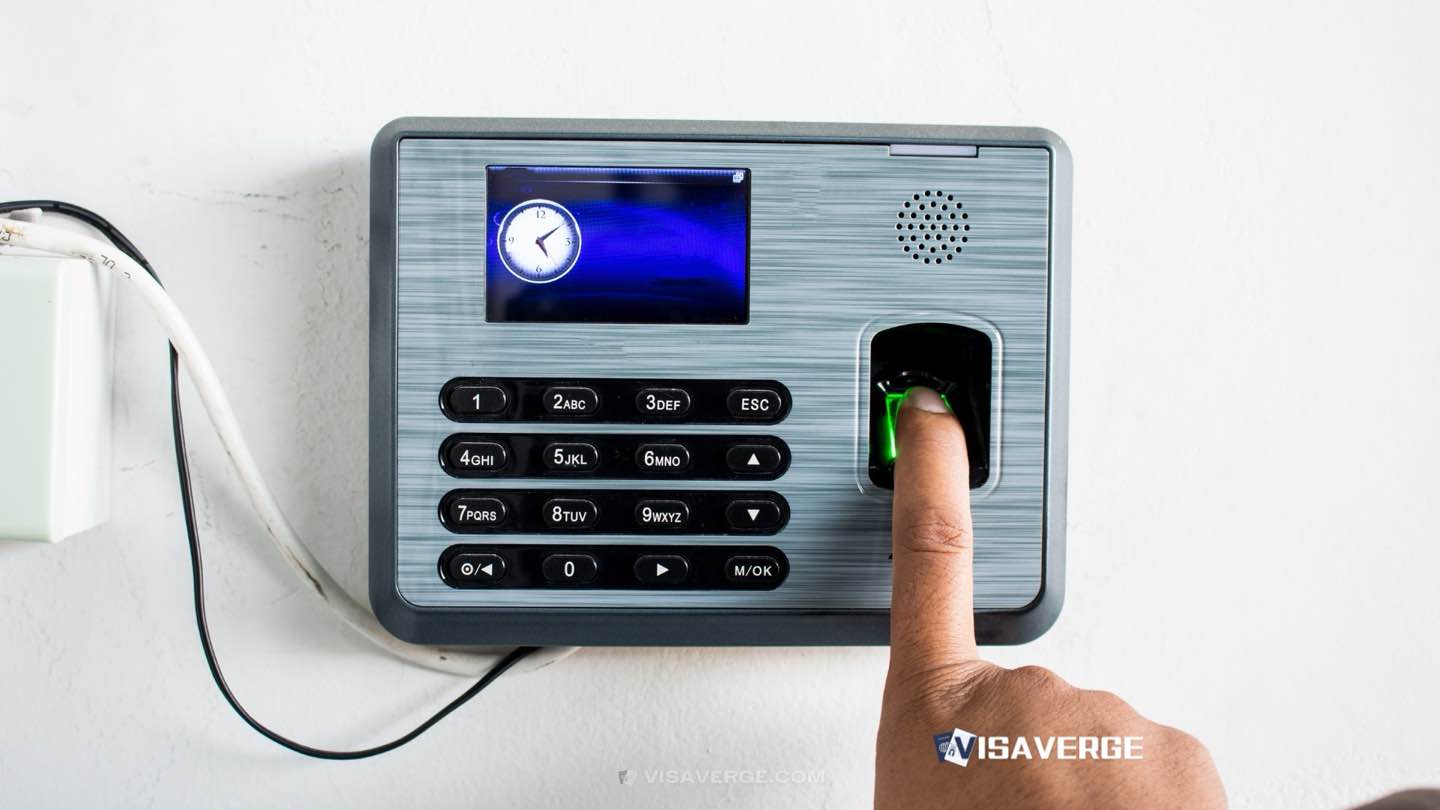
Employment-based cases do not exist in a vacuum. DHS’s biometrics agenda in 2025 pushes more identity capture into more moments of the immigration lifecycle, from registration to border crossings.
Key milestones:
- April 11, 2025 — An “alien registration” shift tied to 30+ days biometrics requirements for non-citizens staying longer than 30 days. This set the tone early in the year.
- November 3, 2025 — DHS published a proposed rule to collect biometrics beyond fingerprints. The proposed list includes:
- Palm prints
- Facial and voice recognition
- Iris scans
- DNA samples
- The proposal also removes the prior age limit (14–79) and would extend collection to any individual immigration filing, including children and U.S. citizen sponsors.
- December 26, 2025 — A final rule requires CBP to take photographs of all non-citizens, including green card holders, every time they enter or depart the United States at airports, land borders, and seaports.
Together, these steps suggest a system that links identity capture to travel, filings, and adjudications, with more chances for mismatches or flags to surface. Even when an H-1B petition is clean, a border biometrics issue can still create friction for travelers and employers alike.
PM-602-0192: national-security holds that spill into ordinary adjudications
National-security framing reached a new peak with USCIS policy memorandum PM-602-0192 on December 2, 2025, following the “Protecting the United States from Foreign Terrorists” Executive Order (EO 14161). The memo did two things that ripple far beyond asylum.
- A 19-country processing hold
USCIS placed an immediate hold on all benefit requests for nationals of 19 “high-risk” countries. Examples listed include Afghanistan, Cuba, Haiti, Iran, Libya, Somalia, and Venezuela. That hold covers green cards, citizenship, and travel documents. It can also create indirect friction for employment-based workers who need related benefits or who are linked to dependents from affected countries. -
An asylum processing suspension
Effective December 2, 2025, USCIS suspended processing of all Form I-589 asylum applications indefinitely pending a program review. Even though asylum is a different pipeline, pauses and reallocations can shape agency workload, interview capacity, and security review posture.
Matthew Tragesser, speaking for USCIS on November 13, 2025, captured the administration’s intent: “The Trump administration continues to execute policies to ensure legal immigration advances American interests first and only the most deserving attain the privilege of U.S. citizenship.”
⚠️ Be mindful of asylum and 19-country processing hold implications for cross-cutting immigration processes that may intersect with H-1B cases. A dependent’s nationality, a related travel document, or a parallel benefit request can become the bottleneck.
Table: Key 2025 policy shifts and effective dates affecting H-1B and biometrics
| Date | Policy Shift | Impact / Who is Affected | Effective / Status |
|---|---|---|---|
| April 11, 2025 | Alien Registration Requirement | Mandatory 30+ days biometrics for non-citizens staying 30+ days | In effect |
| September 21, 2025 (announced September 19, 2025) |
$100,000 fee proclamation | $100,000 applies to new H-1B petitions filed for workers outside the United States; renewals/amendments exempt | In effect |
| November 3, 2025 | DHS proposed biometrics rule | Adds palm prints, facial/voice recognition, iris scans, DNA; removes age limits; can reach sponsors | Proposed |
| December 2, 2025 | USCIS PM-602-0192 | Hold on benefit requests for nationals of 19 countries; Form I-589 asylum processing suspended | In effect |
| December 15, 2025 | State Department social media vetting expansion | H-1B and H-4 applicants must disclose public social media profiles | In effect |
| December 23, 2025 | H-1B weighted selection final rule | Replaces lottery with wage-and-skill weighted selection to protect American wages | Effective February 27, 2026 for FY 2027 |
| December 26, 2025 | CBP entry-exit photo rule | Photos of all non-citizens on every entry and departure at airports, land borders, seaports | In effect |
Info — Upcoming actions for H-1B employers and applicants: confirm whether the $100,000 fee applies to your case (new H-1B petitions filed by workers outside the United States only), prepare for the weighted selection system ahead of FY 2027, and track how biometric expansion and December 15, 2025 social media vetting can change consular and travel risk.
What employers should infer for 2026 planning
Three operational signals stand out:
- Financial split — The $100,000 fee (effective September 21, 2025) creates a cost divide between offshore new hires and in-country continuity (renewals/amendments).
- Competitive pressure — The December 23, 2025 weighted selection rule makes pay and skill signals more determinative, tightening the link between compensation strategy and petition strategy.
- Procedural friction — Social media disclosure and expanding biometrics increase the number of points where a case can slow, even if eligibility is strong.
For employers that rely on cap H-1B hiring, the planning deadline worth circling is the FY 2027 cap season under the weighted system. Recruiting, wage setting, and job-leveling decisions made in 2026 will shape selection odds before a petition is filed.
The 2025 H-1B and immigration policy overhaul prioritizes national security and high-wage labor. Key measures include a $100,000 fee for new offshore hires, the end of the random lottery in favor of wage-weighted selection, and mandatory social media vetting. Agencies have also expanded biometric data collection to include facial and voice recognition, while implementing processing holds on 19 specific countries to ensure system integrity and enforcement.


