- U.S. Customs and Border Protection cannot immediately process refunds for $166 billion in invalidated IEEPA tariffs.
- The Supreme Court ruled the tariffs lacked a legal basis under the International Emergency Economic Powers Act.
- CBP is developing an automated ACE mechanism expected to be operational by late April 2026.
(UNITED STATES) — U.S. Customs and Border Protection told a federal trade court it cannot yet process refunds of tariffs collected under the International Emergency Economic Powers Act, despite a Supreme Court decision that invalidated the underlying legal basis for much of the Trump tariff program.
In a sworn declaration filed on March 6, 2026, Brandon Lord, Executive Director for Trade Programs at U.S. Customs and Border Protection (CBP), said the agency lacks the operational capability to quickly return the money at the scale the court has ordered. “Currently, it is not possible for CBP to immediately prevent any additional entries from liquidating without IEEPA duties. Processing the refunds with current resources would pull staff away from other critical trade and security work,” Lord said.
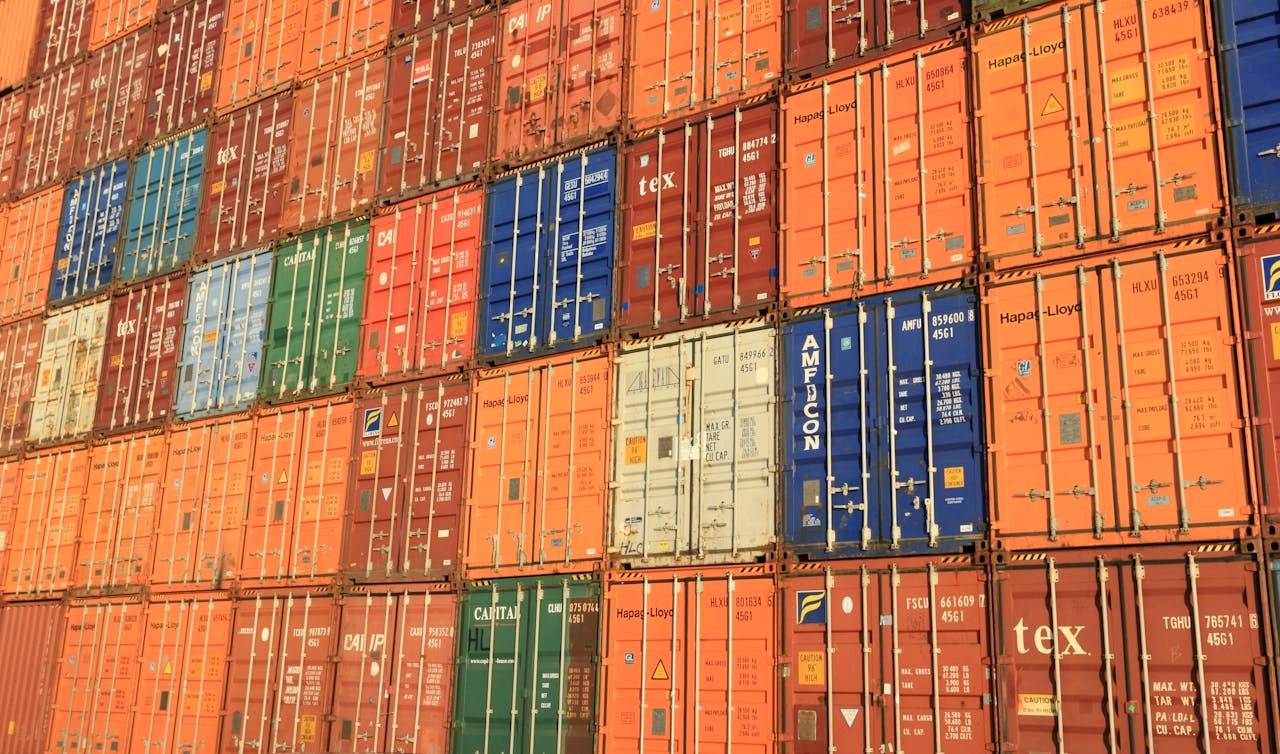
The dispute centers on refunds in the customs sense: returning duties and related deposits tied to individual import “entries,” the filings importers and customs brokers submit for goods cleared at the border. For companies that paid the now-invalid tariffs, those deposits can represent substantial working capital, and the fight over timing has become as consequential as the earlier legal battle over authority.
Court filings and reports published on March 6 said CBP collected about $166 billion in duties and related deposits under IEEPA and does not have a rapid way to unwind those collections across millions of entries. The scale has amplified the stakes for importers, their lenders, and supply chains that have already priced in higher landed costs for goods and components.
Business Today reported the U.S. Court of International Trade ordered Customs to begin issuing refunds to importers affected by the invalid duties, finding the companies that paid them were entitled to the benefit of the Supreme Court ruling. Reuters separately reported that roughly 20.1 million tariff entries remained unresolved, a volume that complicates immediate reimbursement.
The operational fight has unfolded alongside an effort by the Trump administration to preserve tariff pressure through a different statute, creating a split-screen policy environment in which refunds depend on one legal track while new collections proceed on another. Treasury Secretary Scott Bessent said this week that a new 15% global tariff was likely to be rolled out soon, replacing some invalidated measures through a different legal route.
The refund dispute traces back to tariffs first introduced in April 2025 as part of President Donald Trump’s “Liberation Day” trade push. Rates began at 10% and rose much higher for some countries, and CBP implemented the duties at the border as importers filed entry paperwork and posted deposits.
On February 20, 2026, the Supreme Court ruled in a 6-3 decision in Learning Resources, Inc. v. Trump that IEEPA does not grant the President authority to impose revenue-raising tariffs, holding that power belongs to Congress under the Constitution’s Taxing Clause. The ruling invalidated the IEEPA-based tariff approach at the center of the refund fight, forcing the government to confront what it would take to return money already collected.
Immediately after the decision, President Trump issued a new executive order effective February 24, 2026, imposing a temporary 10% global tariff that was later increased to 15% under Section 122 of the Trade Act of 1974. Reuters and the Financial Times reported the White House looked to use Section 122 to keep tariff pressure in place while it explored longer-term options. The Section 122 tariffs are time-limited to 150 days and expire July 24, 2026.
That switch in legal authority matters for importers because it separates the question of refunding deposits collected under IEEPA from the question of what duties apply to new entries under a different statute. Companies may win back older deposits while simultaneously facing fresh duties on current shipments, depending on timing and product flows.
In his March 6 declaration in Atmus Filtration, Inc. v. United States, Lord described a system straining under the volume of entries potentially tied to IEEPA tariffs. As of March 4, 2026, the filing estimated there were roughly 53 million entries subject to IEEPA tariffs, accounting for “approximately $166 billion” in deposits.
Lord also described the agency’s position that the bottleneck is not limited to payment authorization. CBP said it cannot quickly prevent additional entries from “liquidating” with IEEPA duties while the system transitions, a technical constraint that can affect how and when final duty bills are set and how refunds get calculated.
CBP told the court it is “making all possible efforts” to develop a new, streamlined Automated Commercial Environment mechanism to manage refunds. ACE is the government’s trade processing platform used for import data submissions and related transactions, and CBP framed an ACE-based pathway as central to processing refunds at scale rather than handling them manually.
The agency aims to have the ACE refund mechanism operational within 45 days, by late April 2026, according to the filing. Even that timeline, reports said, could shift depending on court supervision and further appeals.
At the center of CBP’s explanation is the reality that refunds attach to discrete entries, not to a single consolidated account. Importers often rely on customs brokers to file entries, transmit data, and manage compliance records, and the refund process can require standardized data and validated payment information to ensure the right party receives funds tied to a specific filing.
The numbers in CBP’s filings and the surrounding coverage underscore why the agency has emphasized scale. Manually validating and processing all 53 million entries would require more than 4 million labor hours, CBP estimated, a workload the agency argued would force trade personnel away from other responsibilities.
Electronic readiness has also emerged as a limiting factor. As of March 6, only 21,423 out of 330,566 affected importers had completed the electronic refund setup CBP required as of February 2026, according to the figures cited in the court materials and related reports.
The gap between eligible importers and those ready to receive electronic refunds has already produced stalled transactions. The same reporting cited 7,700 stalled refunds for importers that had not transitioned from paper-based systems.
Those figures also frame the dispute as a test of administrative feasibility, not merely legal entitlement. For many companies, especially those that import frequently, the relevant cash is spread across many entries, and delayed refunds can keep funds locked up across accounting periods.
For businesses, the inability to obtain immediate refunds can create cash-flow strain and complicate balance sheets. Duties and deposits paid at the border can run into large sums for high-volume importers, and the longer those funds remain with the government, the longer companies may need to finance inventory and operations without expected reimbursements.
Contract pricing adds another layer. Importers and their customers often set terms that allocate duty costs, and uncertainty over whether a duty will ultimately be refunded can spur renegotiations, change how duty-paid pricing is structured, and alter procurement decisions, particularly for goods with narrow margins or high sensitivity to landed cost.
Logistics and operations can also be affected when tariff rules shift while refunds remain unresolved. Importers and brokers have to reconcile entry data, track which deposits tied to IEEPA tariffs qualify for return, and monitor how liquidation timing interacts with court orders and system changes.
The dispute has drawn attention beyond the companies directly seeking refunds because tariff costs can move through supply chains into retail prices and business inputs. Higher import costs can raise the price of items such as electronics, household goods, school supplies, and transportation inputs, and businesses that depend on imported inventory can face budgeting uncertainty.
The broader uncertainty also reaches sectors tied to cross-border commerce and global mobility. Employers that procure equipment and parts, universities that purchase supplies and technology, retailers that manage inventory cycles, and logistics firms that coordinate international shipping can all face planning complications when duties are collected under one authority, challenged in court, and then replaced under another authority.
Some major companies have already sought refunds through litigation, including FedEx, while business groups have watched for court guidance and CBP instructions. The central question for many importers has shifted from whether the tariffs were lawful to whether the government can build a workable system to unwind them at scale.
In the near term, the administration’s pursuit of a replacement tariff pathway has kept pressure on import planning. Bessent’s comments about a likely new 15% global tariff, coupled with the White House interest in Section 122 reported by Reuters and the Financial Times, signaled that tariff collections could continue even as the government confronts obligations tied to invalidated IEEPA duties.
For importers, that overlap can produce a mixed financial picture: refund claims tied to past entries on one side, and new duties on current and future entries on the other. Even if refunds begin to flow, fresh collections could offset part of the relief for companies that continue importing at volume.
The dispute is playing out at the U.S. Court of International Trade, which handles many customs and trade challenges. The court ordered CBP to provide a progress update on the development of the automated refund process by March 12, 2026, a deadline that could clarify how CBP intends to sequence refunds, what technical steps remain, and how quickly the agency expects throughput to increase once the ACE mechanism goes live.
Companies also typically take steps to preserve their rights in customs disputes, including filing entry protests and participating in related litigation. The court has indicated that even with a streamlined system, administrative deadlines still apply, and importers and brokers have monitored notices and guidance as the refund pathway takes shape.
Further information about the court and trade agencies involved is available through the U.S. Court of International Trade, CBP’s Trade Newsroom, and the Department of Homeland Security press room. The Supreme Court’s materials are available at its opinions page, including the February 20, 2026 decision that triggered the current refund dispute.
For now, the Trump tariff fight has entered a new phase in which a Supreme Court win for importers has collided with CBP’s warning that it cannot yet execute refunds at the required scale, even as the administration pursues new tariff authority to keep collections moving.