- King County Executive Girmay Zahilay allocated $2 million in emergency funding for immigrant and refugee support.
- The order restricts civil immigration enforcement in non-public areas of county-owned or controlled property.
- New protocols for sheriff’s deputies responding to 911 calls regarding ICE must be published within 30 days.
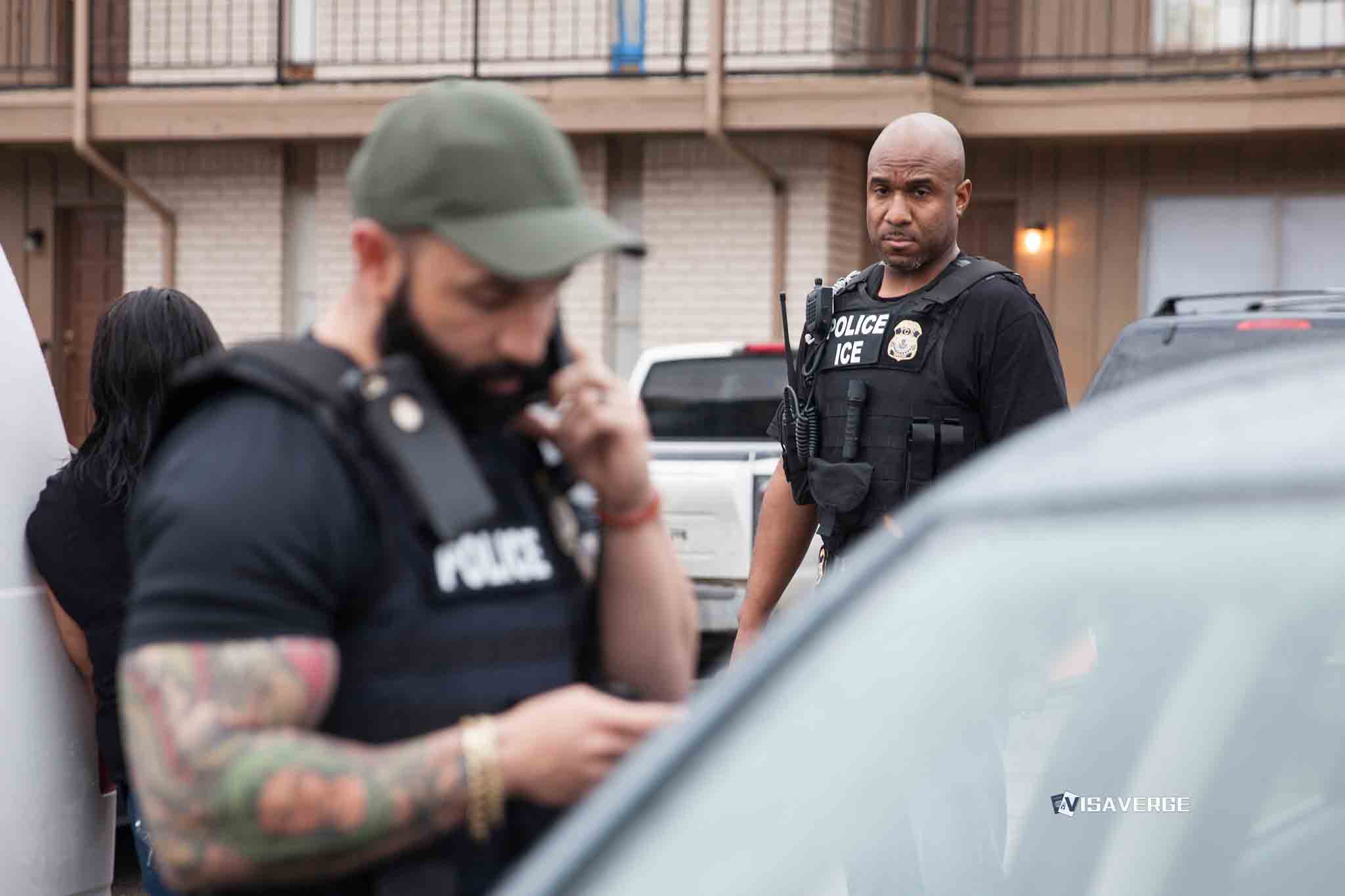
King County Executive Girmay Zahilay on Thursday, Feb. 12, 2026, signed an executive order that both injects emergency funding into immigrant and refugee supports and restricts where U.S. Immigration and Customs Enforcement (ICE) may conduct civil immigration enforcement on county-owned or county-controlled property. The order immediately allocates $2 million in emergency funding and directs new countywide protocols for sheriff’s deputies responding to 911 calls about immigration enforcement activity.
The move arrives amid heightened concern in immigrant communities that federal actions can disrupt everyday life, including work, school attendance, health appointments, and even willingness to report crime. Legally, the order sits at a familiar fault line: counties have substantial authority to manage their own property, employees, and budgets, but they cannot change federal immigration law or block federal agents acting within federal authority.
Warning: A county executive order can shape county property rules and staff conduct. It does not grant “immunity,” stop federal immigration enforcement off county property, or change anyone’s immigration status.
Executive order overview and the emergency funding mechanism
the executive order has three core goals: (1) reduce disruption and fear tied to immigration enforcement when residents access county services; (2) stabilize services that meet urgent needs; and (3) increase transparency and reporting so county leadership and the public can better track what is happening.
The $2 million allocation is routed through the King County Executive Budget Office, a channel that typically allows faster deployment than ordinary annual budgeting, while still requiring documentation, oversight controls, and compliance with county spending rules. In practice, emergency funding routed this way is commonly used for time-sensitive needs that cannot wait for a full budget cycle.
County officials described intended uses in broad categories tied to immediate harm from enforcement actions. Those categories include short-term housing supports (such as rental help to prevent displacement), food access, and immigration legal services. The order also frames the funding as a bridge for community organizations and service providers that often see rapid surges in demand during enforcement activity.
Importantly, the order is a county-level directive. It governs county property, county departments, and how county resources are deployed. It does not alter federal standards under the Immigration and Nationality Act (INA), including the civil immigration enforcement framework administered by the Department of Homeland Security.
ICE limits on county property: what changes, what doesn’t
A central legal feature of the order is a restriction on civil immigration enforcement in non-public areas of county property. “Non-public” areas generally include spaces not open for general public access, such as certain building interiors, staff-only areas, and controlled-access facilities. The order identifies covered property types that may include county buildings, parking lots and garages, vacant lots, and other fixed county properties.
This is not a blanket ban on ICE presence in King County. The order draws lines that matter operationally:
- It does not apply to public rights-of-way and ordinary pedestrian or vehicular traffic areas. Public sidewalks and streets generally remain outside these property-based restrictions.
- It contains an exception when action is “required by federal law.” As a general matter, that phrase signals the county is not attempting to place employees in violation of mandatory federal legal duties. It does not mean the county agrees with all federal tactics.
- It includes a carve-out for King County International Airport (Boeing Field), a detail that can affect how residents understand airport-adjacent activity and why the order adds separate transparency measures there.
The order also tries to reduce confusion between civil and criminal enforcement. Most immigration violations are civil. They are typically processed through DHS and immigration courts, not state criminal courts. Criminal investigations can involve different authorities, warrants, and interagency practices.
For residents, narrower but meaningful: when seeking county services inside county-controlled spaces, the county is directing that those locations not be used as a platform for civil immigration operations in areas not open to the public, subject to exceptions.
Deadline: The order was signed Feb. 12, 2026, includes $2 million in emergency funding, and requires new sheriff protocols within 30 days.
911 calls and deputy response: protocols expected within 30 days
The order directs King County Sheriff Patricia Cole-Tindall to develop and publish protocols within 30 days for deputies responding to 911 calls reporting immigration enforcement activity. Publication matters. When protocols are public, residents, advocates, and local officials can evaluate whether field practices match written policy.
Operationally, the protocols are expected to address issues that commonly arise during reports of enforcement activity, including:
- how deputies should verify the identity of agents, including when personnel are in unmarked vehicles or not readily identifiable;
- what documentation deputies should request or record when encountering federal personnel;
- when and how body-worn cameras should be used; and
- when information should be elevated through the chain of command.
These county protocols can guide deputies and increase consistency. They do not directly limit federal agent authority under federal law.
Governance and transparency: subcabinet, Boeing Field measures, and reporting
The order creates a Welcoming County Subcabinet tasked with advising on protections, recommending possible ordinance changes, and exploring future budget proposals. This structure can matter because it creates a formal venue for departments to coordinate and for community stakeholders to feed concerns into policy development.
At Boeing Field, the order directs upgrades tied to transparency, including security camera improvements and observation-area concepts associated with concerns about deportation flights. These steps are framed as visibility measures. They may improve public oversight of county-controlled areas. They do not, by themselves, control federal custody decisions or flight operations that are federally authorized.
The order also requires county departments to support “Know Your Rights” information and to report immigration enforcement activity up through department directors, with notice to the executive’s office. Internal reporting can strengthen oversight by creating a consistent record and escalation path across departments.
Council action and related legal posture
King County Councilmember Teresa Mosqueda said she plans to introduce a companion ordinance to codify the executive order’s restrictions. Codification can make policies more durable than an executive order alone, because ordinances typically remain in place across administrations unless amended or repealed. Ordinances can also specify enforcement mechanisms, training requirements, and clearer compliance standards.
Measures discussed publicly include physical barriers such as locked gates on certain properties, signage templates for private sites that address warrant requirements, and employee reporting protocols. These are property-and-process tools. They are distinct from federal immigration authority.
The county also pointed to broader engagement, including joining an amicus brief in Minnesota v. Noem and sending a letter opposing additional ICE funding. Those actions signal an advocacy posture and intergovernmental engagement, rather than a direct change in how INA enforcement operates.
Community response and what residents should expect next
Community organizations largely framed the order as a belonging and safety message coupled with practical support. Service providers emphasized stabilizing housing, food access, and healthcare continuity when fear keeps people home. Legal aid groups stressed that demand for counsel often spikes when enforcement increases.
Elected leadership described the order as a starting point. That framing is consistent with phased implementation: immediate funding and property rules now, deputy protocols within 30 days, and potential council legislation later.
For residents, expectations should be realistic. Implementation will take time, and results may vary by location and context. People should also expect continued community engagement and possible ordinance debates at the county council.
Practical guidance: If you have contact with ICE, ask whether the action is based on a judicial warrant signed by a judge, and consult a qualified immigration attorney promptly. Civil “administrative” warrants are common in immigration enforcement and differ from judicial warrants.
Healthcare and housing note: If fear of enforcement is keeping you from medical visits or housing assistance, consider contacting trusted local providers or legal service organizations. Many can advise on safety planning and confidentiality practices.
⚖️ Legal Disclaimer: This article provides general information about immigration law and is not legal advice. Immigration cases are highly fact-specific, and laws vary by jurisdiction. Consult a qualified immigration attorney for advice about your specific situation.
Resources:
- AILA Lawyer Referral
- Immigration Advocates Network
- EOIR Immigration Court info
- USCIS guidance and updates