- Frontier filed a federal lawsuit following a ramp collision at Miami International Airport involving American Airlines.
- The March 2024 incident grounded an Airbus A321neo for six months, causing significant operational disruptions.
- Frontier seeks damages for lost revenue and downtime despite a partial settlement reached for physical repairs.
A Frontier-Airlines v. American Airlines lawsuit filed in the Southern District of Florida centers on a March 7, 2024 collision at Miami International Airport (MIA) that grounded Frontier’s A321neo for six months, triggering operational and financial ripple effects. The dispute is not about an in-flight emergency. It is about what happens on the ramp, where inches matter and a single contact can sideline an aircraft for months.
Section 1: Incident Overview
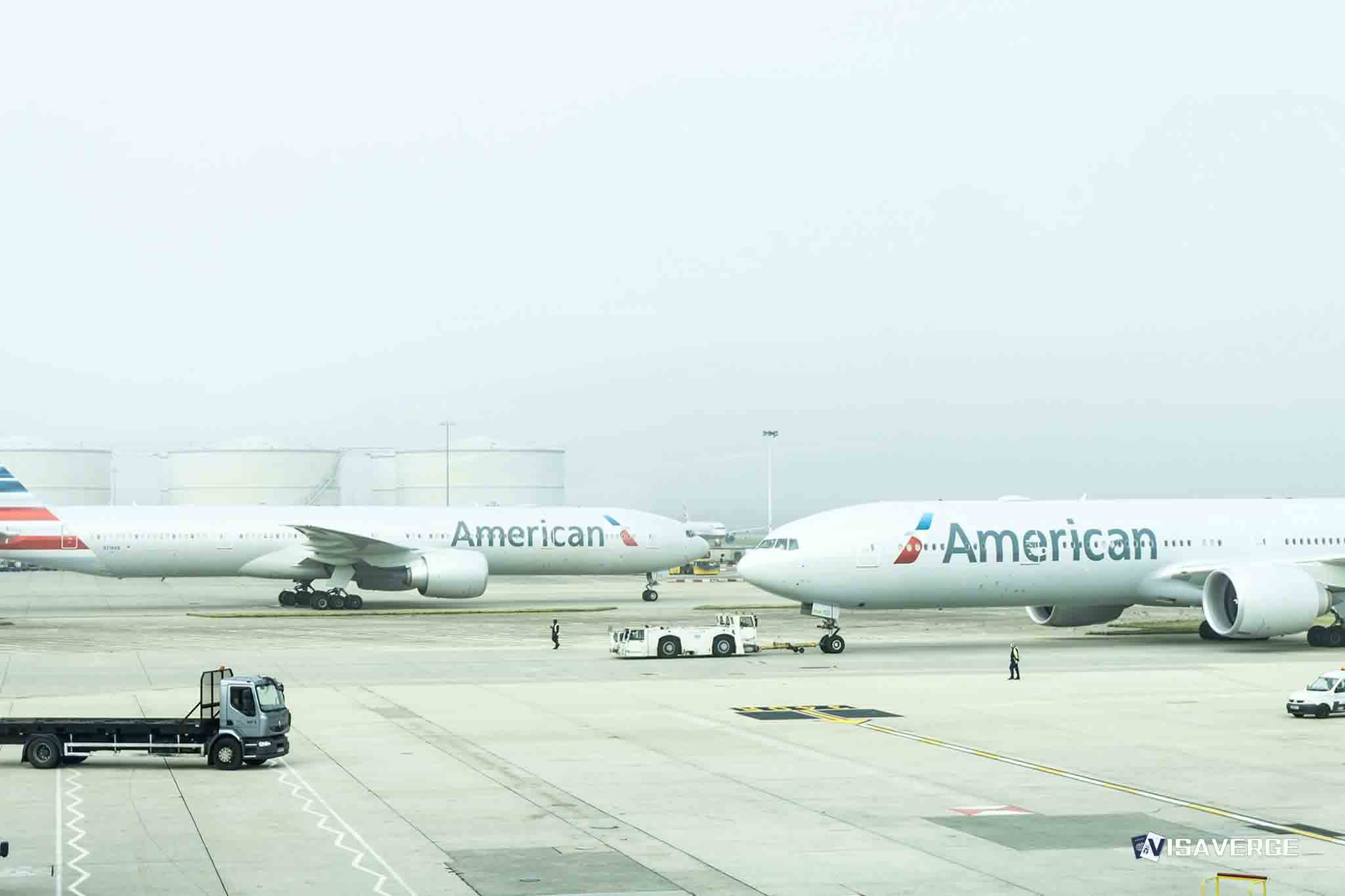
Miami International Airport (MIA) is built for constant motion. Aircraft arrive, park, unload, refuel, board, and depart in tight sequences. On March 7, 2024, that choreography broke down.
During departure activity, an American Airlines Boeing 777-300 made contact with a stationary Frontier Airlines Airbus A321neo at MIA. Frontier’s aircraft was parked and not moving. The American widebody was being pushed back from a gate as part of ramp and pushback operations.
A ground collision like this can set off a chain reaction. First comes the immediate inspection and damage assessment. Next, the aircraft is pulled from service while repairs and follow-up checks are planned. For Frontier, the practical result was a long outage. The Airbus A321neo was grounded for six months, which can ripple into scheduling, fleet availability, and passenger reaccommodation decisions.
Section 2: Legal Action and Parties Involved
Frontier Airlines is the plaintiff. American Airlines is the defendant. Frontier filed suit on February 2, 2026, in the U.S. District Court for the Southern District of Florida under case number 1:26-cv-20686, seeking damages above $100,000.
At its core, the complaint frames the event as a preventable ramp incident. Frontier alleges negligence and gross negligence tied to how the pushback and nearby ramp activity were handled. Frontier also alleges negligent training and supervision, meaning the airline claims American did not properly train or oversee personnel involved in ramp and pushback operations.
“negligence” is a claim that someone failed to use reasonable care. “Gross negligence” is a more serious accusation. It generally means the conduct went beyond ordinary carelessness. Frontier’s requested damages include more than the physical repair work. The airline is also seeking money connected to the six-month loss of use and the downstream disruptions that followed.
A related state-court matter, 2025-025232-CA-01, is referenced alongside this federal case. That state case included a notice of conditional settlement on May 9, 2025. It is not the same proceeding as the federal action.
✅ Status watch: American Airlines has not yet responded to the federal complaint. Readers should watch for official court updates and any subsequent motions or settlements.
| Category | Item | Details | Context |
|---|---|---|---|
| Incident | Location and date | Miami International Airport (MIA), March 7, 2024 | Ramp environment with tight clearances |
| Aircraft | American Airlines aircraft | Boeing 777-300 | Moving during pushback for AA-929 |
| Aircraft | Frontier Airlines aircraft | Airbus A321neo | Stationary when contacted |
| Operational impact | Grounding period | six months | Aircraft outage can reduce capacity and flexibility |
| Federal case | Court and case number | U.S. District Court for the Southern District of Florida, 1:26-cv-20686 | Complaint filed February 2, 2026 |
| Federal case | Parties | Frontier Airlines v. American Airlines | Commercial carrier-to-carrier dispute |
| State matter | Separate action | 2025-025232-CA-01 | Included a conditional settlement notice dated May 9, 2025 |
| Settlement activity | Repair-cost milestone | September 2025 partial settlement | Repairs addressed while other losses remain disputed |
| Response status | Defendant response | Not yet filed as of last filing | Federal case still at an early stage |
Section 3: Incident Details and Timeline
Pushback is the step where a tug moves an aircraft away from the gate. The flight crew is typically coordinating with ground personnel, and ramp staff may be guiding clearance. Communication matters. So does spacing.
Congested ramps raise the risk of wingtip or tail clearance issues. Widebody aircraft add another layer because they occupy more ramp space and have different turning geometry. When a large aircraft is pushed back near other parked aircraft, small positioning errors can become expensive.
The March 7, 2024 event involved American’s Boeing 777-300 moving during the pushback phase for Flight AA-929 to Sao Paulo. Frontier’s Airbus A321neo was stationary. Frontier says the contact caused severe damage and led to the six-month grounding period.
Frontier also points to another incident as context. In November 2024 at Boston Logan International Airport, an American aircraft reportedly clipped a parked Frontier jet’s wing. Frontier uses that history to argue the MIA event was not an isolated lapse.
Section 4: Damages and Financial Implications
Airline-to-airline ground-collision claims often split into two broad buckets. The first is direct damage. That includes the physical repair work needed to return the aircraft to a safe, airworthy condition. The second bucket is consequential damage, sometimes described as losses that flow from the outage rather than from the dent itself.
Frontier and American reached a partial settlement in September 2025 that covered repair costs. That type of split outcome is common in commercial disputes. Repair invoices can be easier to quantify. The bigger fight can be about what the outage cost the airline day by day.
Frontier is pursuing additional damages tied to the aircraft’s downtime and the disruptions it says followed. Those categories include lost revenue and profits, operational disruptions, passenger re-accommodations, flight cancellations, and ongoing lease payments on the grounded Airbus A321neo.
⚠️ Six-month downtime for an aircraft represents substantial operational disruption and potential cascading effects on schedules, leases, and maintenance planning.
How do airlines typically support these claims in court? The paper trail can be extensive. It may include maintenance and inspection records, return-to-service documentation, utilization history for the aircraft, schedule changes showing substituted capacity, and accounting records that tie the outage to lost revenue. Lease terms can matter too, especially if payments continued while the aircraft was not flying.
| Damages Category | Definition | Examples in case |
|---|---|---|
| Direct damages | Costs to repair physical damage | Repair costs for the Airbus A321neo, inspections, parts, labor |
| Loss of use (downtime) | Value of the aircraft being unavailable | six months out of service, reduced capacity and aircraft rotation limits |
| Consequential damages | Secondary losses caused by the outage | Operational disruptions, passenger re-accommodations, cancellations |
| Lost revenue and profits | Income Frontier says it could not earn | Revenue tied to flights that could not be flown as planned |
| Continuing fixed costs | Costs that may continue despite outage | Ongoing lease payments during the grounding period |
Section 5: Case Status and Procedural Context
A case being “filed” in federal court means the complaint has been submitted and opened as a docket. The next steps usually involve service of process and a deadline for the defendant’s response. The response may be an answer, a motion to dismiss, or another early motion that challenges the claims.
Frontier’s federal case, 1:26-cv-20686, was filed February 2, 2026, with a last known filing dated February 4, 2026. As of that point, American Airlines had not yet responded.
The state case, 2025-025232-CA-01, sits alongside the federal dispute as a separate track. A notice of conditional settlement in state court does not always mean the dispute is fully finished. “Conditional” can mean additional steps remain before dismissal. Parties also sometimes resolve one slice of a conflict in one forum while still litigating other claims elsewhere.
For travelers, including international passengers and visa holders, indirect. Ramp incidents can reduce an airline’s available aircraft and create schedule changes. That can complicate tight connections, rebooking across carriers, and coordination for time-sensitive travel. Each situation is different, so travelers typically check carrier rebooking options early and keep documentation of changes.
Section 6: Key Dates and Milestones
Spring 2024 is the starting point. The March 7, 2024 collision at Miami International Airport set the stage, followed by a lengthy repair and return-to-service process that kept Frontier’s Airbus A321neo grounded for six months.
Late 2024 brought another referenced ramp event at Boston Logan International Airport, with Frontier citing a November 2024 collision involving an American aircraft and a parked Frontier jet. That incident is separate, yet it adds context to the claims about ramp oversight.
During 2025, the dispute showed signs of partial resolution. A notice of conditional settlement was filed in state court on May 9, 2025, and the airlines later reached a partial settlement in September 2025 to cover repair costs. Early 2026 marked a new escalation. Frontier filed the federal lawsuit on February 2, 2026.
Section 7: Airports and Aircraft Involved
Miami International Airport is a high-volume hub with complex gate areas and steady widebody traffic. Ramp operations there can involve multiple aircraft moving at once, plus tugs, ground staff, and tight timing windows. Clearance is not just a preference. It is a constraint.
American’s Boeing 777-300 is a widebody aircraft, and its size raises the stakes on crowded ramps. Frontier’s Airbus A321neo is a narrowbody, often used for high-frequency schedules where each aircraft’s daily utilization matters. Put those two together in close quarters, and small errors can lead to contact.
A “grounded for months” situation is not just waiting for a mechanic. It can mean coordinating structural repairs, sourcing parts, completing required inspections, and performing return-to-service checks. Meanwhile, planners may need to reshuffle routes, substitute aircraft, or lease capacity. Those ripple effects are a major reason airlines fight over downtime damages in court.
This article discusses a legal dispute and is not legal advice. For case-specific guidance, consult a qualified attorney.
Facts and procedural posture may change; verify latest court filings for current status.