- Federal prosecutors charged five individuals for running a sophisticated immigration fraud scheme involving fake law firms.
- The elaborate scam included staged courtroom hearings where participants impersonated judges and law enforcement officers.
- Victims are urged to verify hearing dates via official EOIR channels to avoid in absentia removal orders.
(EASTERN DISTRICT OF NEW YORK) — A federal case unsealed in Brooklyn lays out how an alleged immigration fraud scheme can derail real immigration court cases, and it offers a clear lesson for immigrants with pending matters: verify counsel, verify hearing dates, and treat “guaranteed results” and off-the-books payments as urgent warning signs.
Prosecutors say the defendants ran a fraud scheme from March 2023 through November 2025 that targeted people in removal proceedings, including asylum seekers, by using fictitious law firm branding, collecting fees for “representation,” and even arranging staged courtroom hearings in which participants allegedly impersonated judges, lawyers, and law enforcement. The defendants are presumed innocent, and the allegations come from charging documents.
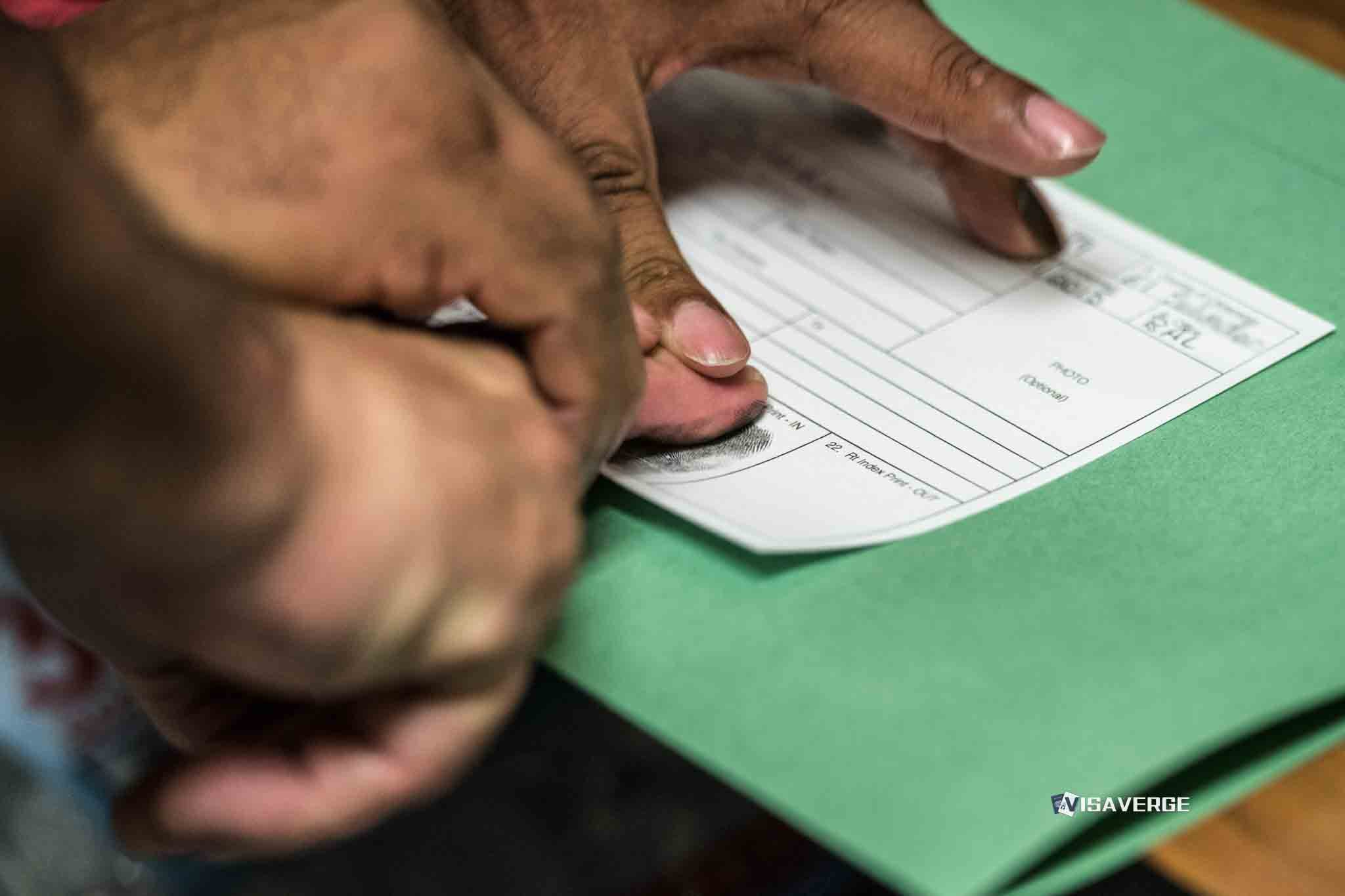
What this process explainer accomplishes is twofold: (1) it explains where the criminal case typically goes next, and (2) it provides a practical, step-by-step safety and reporting process for victims and for immigrants who fear their case may have been affected.
1) Overview: how the alleged scheme worked, and why it persuaded vulnerable respondents
According to prosecutors, the alleged operation focused on immigrants who already had pending immigration court matters. That group is often under intense pressure. Many fear detention or removal, and many struggle to find affordable counsel quickly.
The alleged pitch relied on credibility signals. Prosecutors say the group presented itself as a legitimate law office, offered “case help,” and collected payments for purported legal services. The scheme’s most alarming allegation involved staged courtroom hearings. Prosecutors say victims were directed to attend fake proceedings, where individuals allegedly played the roles of officials to create the appearance of real adjudication.
Recruitment was allegedly done through community channels and direct outreach, with victims paying fees for sham services, including purported asylum-related appointments. Prosecutors also allege intimidation messages were sent to at least one victim who began to suspect fraud.
Warning: If anyone tells you to skip a real EOIR hearing notice and attend a “special hearing” elsewhere, treat that as an emergency red flag.
2) Defendants and case status: what “charged,” “arrested,” and “arraigned” mean
The Eastern District of New York U.S. Attorney’s Office said an indictment was unsealed charging five defendants. The names reflected in the publicly described allegations include Daniela Alejandra Sanchez Ramirez, Jhoan Sebastian Sanchez Ramirez, and Alexandra Patricia Sanchez Ramirez.
Prosecutors said those three were arrested on Friday, Feb. 20, 2026 at Newark Liberty International Airport while attempting to board a flight to Colombia, and they were arraigned the next day in New Jersey. “Arraignment” is the first appearance in federal court where charges are read, counsel is addressed, and release conditions are considered.
A fifth defendant was described as at large in Colombia. When someone is “at large” abroad, the U.S. may seek cooperation through diplomatic and law-enforcement channels. Extradition can be possible, but it is country- and treaty-specific and can take significant time.
Readers should be careful about what can be inferred at this stage. A complaint is often an initial charging document supported by an agent affidavit. An indictment is a formal charge returned by a grand jury. Neither is proof of guilt. The government must still prove the case beyond a reasonable doubt.
For official case announcements and updates, EDNY press releases are typically posted at the Department of Justice site: Department of Justice — USAO EDNY.
3) Alleged crimes and charges: translating the counts into plain English
Prosecutors alleged wire fraud, money laundering, and impersonation of federal officers.
- Wire fraud generally means using interstate communications, like phone calls, texts, email, or online platforms, as part of a plan to take money or property through lies or material omissions. A key concept is intent. The government typically must prove a knowing “scheme to defraud,” not just a mistake or bad service.
- Money laundering allegations often focus on how funds were moved after they were obtained. That can include transfers between accounts, use of intermediaries, or transactions structured to conceal origins.
- Impersonation of federal officers generally involves falsely claiming to be an officer or employee acting under U.S. authority. In immigration scams, impersonation allegations may include fake “official” roles, fake badges, and fake adjudicative settings.
Prosecutors alleged losses exceeding $100,000 and said dozens of victims were affected. If there is a conviction, courts can order restitution (repayment to victims) and forfeiture (loss of criminal proceeds). Those remedies are not automatic at the start of a case.
Federal criminal cases often take months or longer. Outcomes vary. Some cases resolve by plea. Others proceed to motion practice and trial.
Tip: Preserve every text, voice note, payment receipt, and document. In fraud cases, communication channels often become central evidence.
4) Impact on victims: immigration-court consequences can be immediate and severe
For immigrants in removal proceedings, the most serious risk is missing a genuine court hearing. If a respondent fails to appear, an immigration judge may enter an in absentia removal order under INA § 240(b)(5), if proper notice was given. Many people do not learn of an in absentia order until later, sometimes after an arrest or a failed attempt to update a case.
Fake “hearings” can also cause missed filing deadlines, wrong filings, or address problems. Address errors matter because EOIR and DHS serve notices by mail. If you move and do not update your address, you may miss real hearing notices.
Key decision point: if you missed a hearing, you may need to speak with a qualified immigration attorney immediately about whether a motion to reopen is possible, and what deadline applies. Motions can be time-sensitive, and rules can vary by posture and facts.
Practical first steps often include requesting your records, confirming your next hearing date, and identifying whether any filings were made in your name without your informed consent.
Deadline watch: If you believe you missed an EOIR hearing, verify your EOIR case status the same day if possible, then speak with counsel promptly. Delay can reduce options.
5) Context: why these scams spread, and the “too good to be true” playbook
The alleged conduct fits a broader pattern of immigration scams that spread through social media, messaging apps, and community referrals. Speed and pressure are common. Scammers often claim “inside contacts,” promise “guaranteed” outcomes, or insist problems can be fixed immediately for a large fee.
Pricing often escalates quickly, and high upfront payments are a common warning sign. Another tell is reluctance to provide a written agreement and itemized receipts, or refusing to share copies of filings.
It also helps to separate legitimate paid representation from the unauthorized practice of law. Attorneys must be licensed by a state bar. Non-attorney representatives must be specifically authorized in limited contexts, such as EOIR-recognized organizations.
6) Common red flags and legitimate resources (how to verify help and hearing information)
Watch for these red flags:
- Guaranteed approvals or “special access” to judges.
- Refusal to sign a written contract or provide receipts.
- Withholding copies of submissions or notices.
- Charging simply to hand you blank forms.
- Threats, intimidation, or instructions to lie.
How to verify a lawyer:
- Ask for the attorney’s full name and state bar number.
- Confirm licensure using the state bar’s official attorney lookup.
- Insist on a written retainer agreement describing scope and fees.
- Ask who will appear in court and who will sign filings.
How to find legitimate low-cost help:
- AILA’s directory: AILA — Find a Lawyer
- Immigration Advocates Network nonprofit directory
How to verify EOIR hearing information:
- EOIR Automated Case Information: EOIR Automated Case Information
- EOIR main site and resources: Department of Justice — EOIR
7) Reporting and prevention steps (a step-by-step process with documents to gather)
- Confirm your real case posture and dates (same day if possible).
- Use EOIR’s Automated Case Information (A-number required).
- Gather: EOIR hearing notices, any DHS/EOIR mail, your A-number.
- Stop further payments and limit contact.
- Contact your bank, card issuer, Zelle/Venmo provider, or wire service immediately.
- Gather: receipts, transaction IDs, account names, phone numbers, emails.
- Preserve evidence in one folder.
- Gather: screenshots, chat logs, voicemails, contracts, business cards, fake “orders,” photos of staged sites, and names used.
- Get qualified legal help to triage immigration harm.
- If you are in removal proceedings, a lawyer may file or update an EOIR-28 (Notice of Entry of Appearance).
- For USCIS matters, counsel may file Form G-28 (Notice of Entry of Appearance as Attorney).
- Gather: any filings made, signatures used, and timelines given.
- Report to the right agencies.
- EOIR Fraud and Abuse Prevention Program (FAPP): EOIR — Fraud and Abuse Prevention Program
- USCIS immigration scams reporting and education: USCIS — Avoid Scams
- FTC ReportFraud
- Consider your state Attorney General consumer protection office, and local law enforcement if threats occurred.
- If your identity or filings were misused, consider record requests.
- You may request immigration records through DHS/USCIS FOIA and EOIR record processes.
- Gather: identity documents and your A-number. Ask counsel which request is appropriate.
Tip: When reporting, include every alias used, contact handle, payment destination, and any “case number” the scammers gave you. Small details can connect reports.
Resources
- AILA Lawyer Referral: AILA — Find a Lawyer
- Immigration Advocates Network
⚖️ Legal Disclaimer: This article provides general information about immigration law and is not legal advice. Consult a qualified immigration attorney for advice about your specific situation.