U.S. Citizenship and Immigration Services has been widening the use of I-485 interview waivers in 2025, letting more “low-risk” green card applicants finish the last step of adjustment of status without the traditional in‑person meeting at a field office. The shift, reported by VisaVerge.com, is aimed at speeding decisions in a system still strained by backlogs, and it is showing up most clearly in family cases, including spouses of U.S. citizens whose files already contain strong proof of a real relationship and lawful eligibility.

For applicants, the change can feel like a quiet relief: fewer trips, fewer missed workdays, and, in many cases, faster approvals. But immigration lawyers warn the same trend raises the stakes of paperwork, because a waived interview also removes the one moment when an officer might clear up confusion face to face instead of denying a case on the record.
USCIS posture and officer discretion
USCIS has not published a public checklist for who will get an interview waiver, and officers retain full discretion to call anyone in. Still, the agency’s posture in late 2025 has been to treat interviews as a targeted tool, not a routine step, when the file already answers the core questions:
- Identity
- Admissibility
- In marriage cases, whether the couple’s documents show a shared life
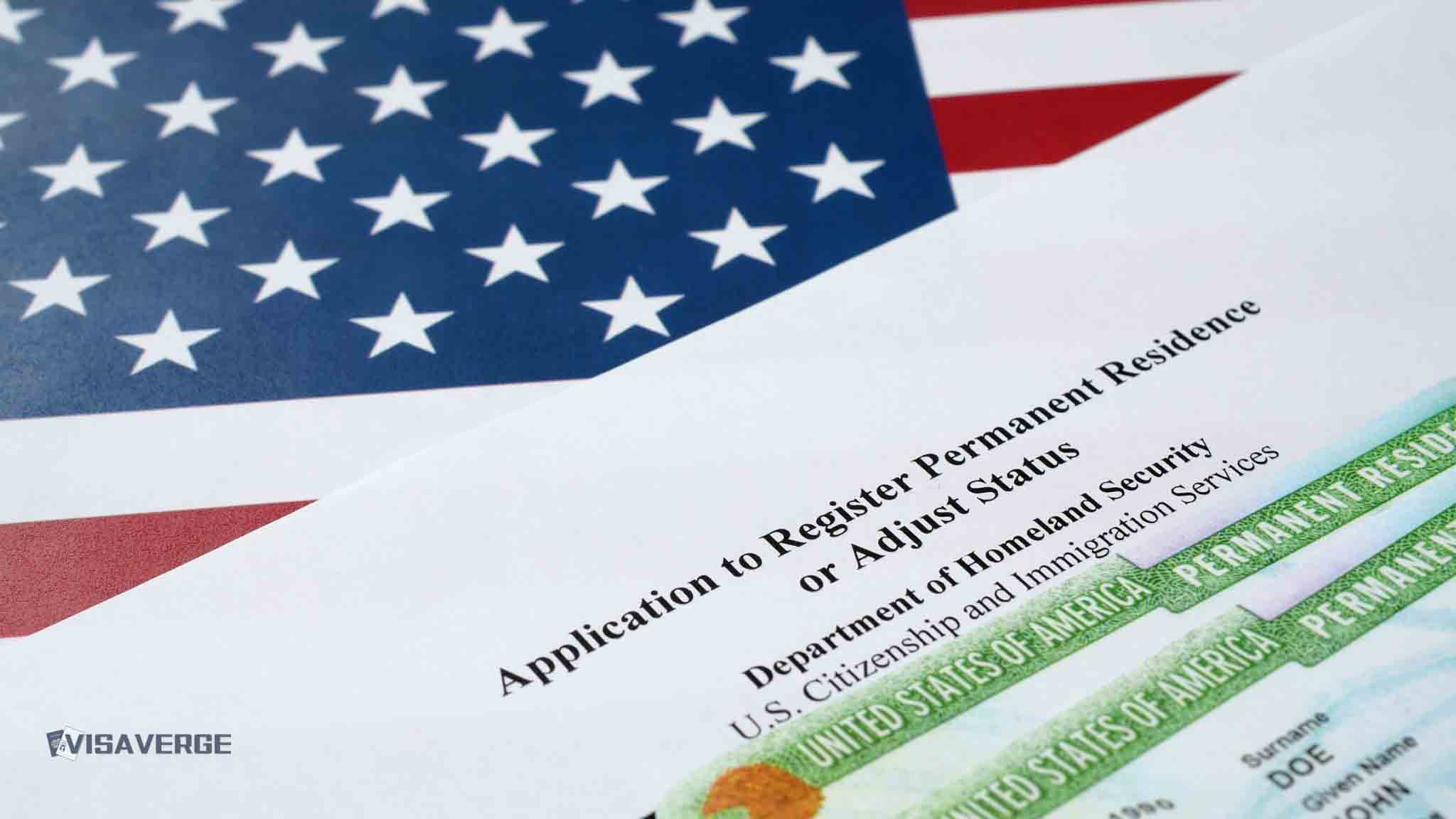
Applicants file the green card request on Form I-485, and USCIS can approve it without an interview if the written evidence is sufficient.
New Form I-485 edition and upfront evidence (effective February 10, 2025)
Reliance on the record tightened when USCIS began enforcing a new edition of Form I-485 for filings made on or after February 10, 2025. Key practical effects:
- Applicants who mail the wrong version risk rejection at the front door.
- The new packet expects more material up front, including the medical exam on Form I-693.
- Earlier flexibility to submit the medical exam later has ended.
- The Form I-864W exemption use was removed; sponsors generally must now submit a full affidavit of support.
- USCIS clarified questions tied to the “public charge” test, which assesses likelihood of depending on government cash aid.
For couples and employers hoping for I-485 interview waivers, these form shifts matter because they push key evidence into the initial envelope—often long before any officer might ask questions in a room.
Where to find official instructions and forms
Applicants can read USCIS’s instructions and download forms from the agency’s official pages:
- Adjustment of status guidance: Adjustment of status guidance
- Form I-485: Form I-485
- Form I-693 (medical exam): Form I-693
- Form I-864 (affidavit of support): Form I-864
In practice, the expanded waiver posture has made these instructions feel less like background reading and more like the core of the case, because the first submission may be the only complete chance to tell the story.
Enforcement context: NTAs and faster movement to court (February 2025 shift)
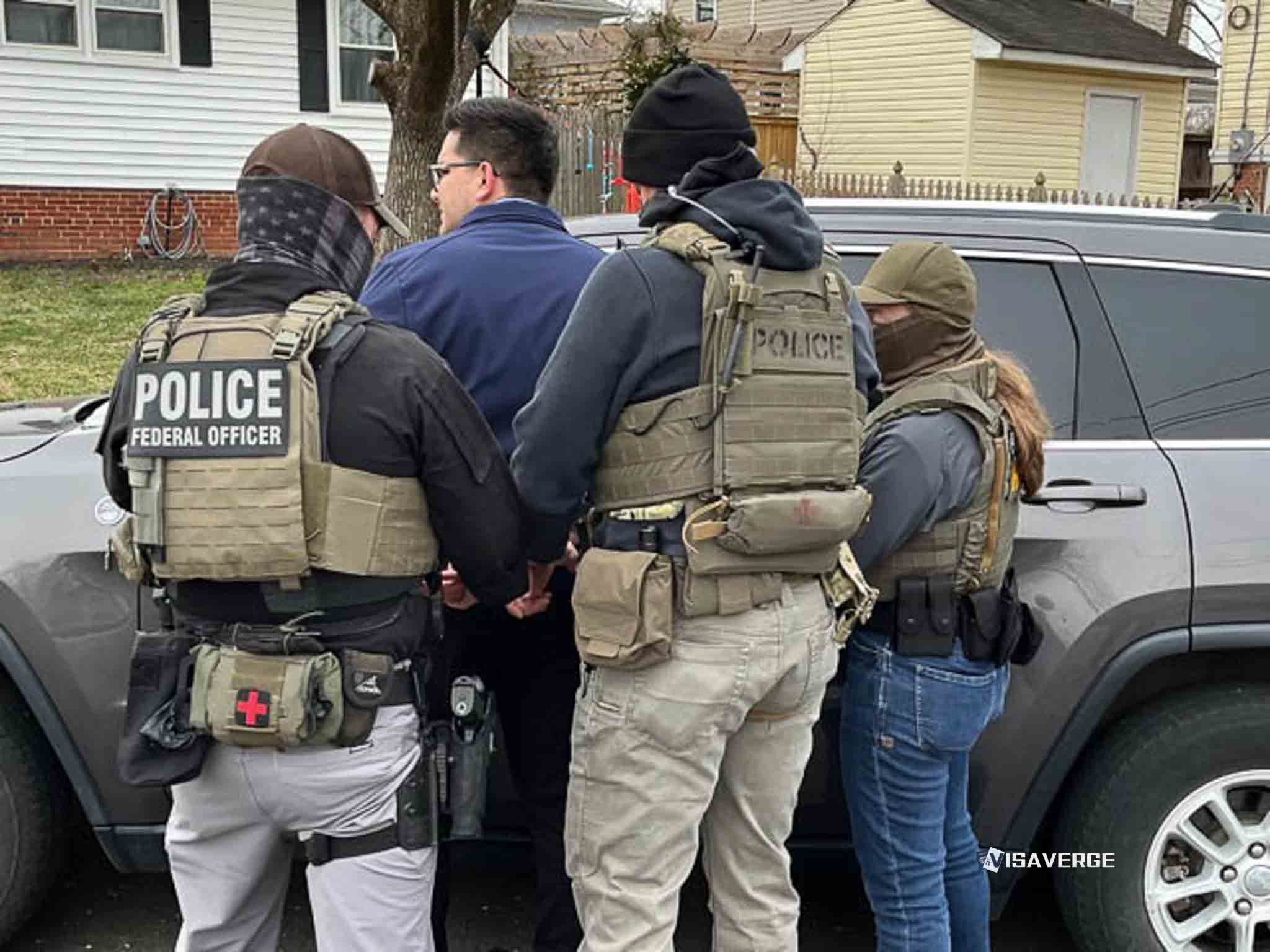
VisaVerge.com reports a separate USCIS policy shift in February 2025 that expanded when the agency will issue a Notice to Appear (NTA) after denying an immigration benefit. Important points:
- An NTA is the charging document that starts removal proceedings in immigration court.
- The site said more than 26,700 people have been placed into proceedings since the change began.
For applicants without another valid status, a denial can now carry a faster path from paperwork to court and may cut off related benefits such as work authorization and travel permission that depend on a pending adjustment case.
Denials remain a significant risk
Denials continue to be a real part of the system. VisaVerge.com cited fiscal year 2024 figures:
| Category | Denials (FY2024) |
|---|---|
| Family-based adjustment applications | 47,496 |
| Employment-based adjustment applications | 13,485 |
Common problems leading to denial include inadmissibility, missing documents, or mistakes in eligibility rules. USCIS has not said waivers cause denials, but the practical effect is that a file which might once have been “fixed” in an interview may now be decided more quickly through:
- A Request for Evidence (RFE), or
- A straight denial if key facts are unclear
Some attorneys describe I-485 interview waivers as a benefit with a sharper edge: the process moves faster, but it can also end faster if the record is thin.
Typical cases suited for waivers
USCIS has described waived interviews as appropriate when the evidence already answers the officer’s questions and the case does not raise harder issues such as:
- Suspected fraud
- Complex inadmissibility questions
- Shifting job terms in an employment filing
Day-to-day, applicants with clean records and well-organized packets are the ones most likely to benefit. The pattern has been most visible in immediate relative cases, especially spouses of U.S. citizens. Couples who submit detailed proof—marriage certificates, joint bank records, leases, photos, and consistent statements—often find that the mail is their only “hearing,” because the officer decides without calling them in.
External changes that affect travel and temporary status
Changes outside USCIS can ripple into adjustment cases:
- The Department of State tightened rules for nonimmigrant visa interview waivers on September 2, 2025, sharply limiting drop-box renewals for categories such as H-1B, L-1, F-1, and O-1 and narrowing age-based exceptions.
- These consular rules are separate from I-485 interview waivers but matter for workers and students who travel while an adjustment case is pending.
- If a person cannot renew a visa stamp without an interview abroad, a trip can turn into weeks of delay.
Because of this, lawyers often advise adjustment applicants to weigh travel plans carefully.
Paperwork errors can have larger consequences
With interviews waived more often, the paper trail is where small errors can grow into big consequences. Examples of risky mistakes:
- Missing signature
- Unreadable copy
- Incomplete medical exam
Such problems can stop a case before an officer ever meets the applicant. The new February 2025 NTA approach means the next letter may not just be a denial but a court date.
If someone receives a denial they believe is wrong, options include:
- Filing Form I-290B (motion to reopen or reconsider) within the standard 30-day window. Official instructions: Form I-290B
- In some situations, refiling may be possible, but timing can be unforgiving when work permits and travel documents are linked to a pending Form I-485.
Additional rule changes to watch
The source material also notes other rule changes that add pressure around adjustment cases:
- October 30, 2025: End date for automatic extensions tied to certain employment authorization renewals—can matter if an applicant’s job depends on an EAD while the green card case is open.
- December 26, 2025: Biometric entry rules will apply to all non-citizens, including green card holders, adding another compliance layer for travelers.
Practical advice and final takeaway
USCIS can still call an applicant in at any time, and many cases will still be interviewed—especially if an officer sees gaps, inconsistencies, or legal issues.
A well-documented submission can move quickly, and a weak one can move quickly too.
Applicants who receive a waiver should:
- Keep copies of everything submitted
- Track mail closely
- Answer any Request for Evidence quickly
- Be prepared that USCIS may later schedule an interview if questions arise
The agency’s message is plain: when the file answers the critical questions, interviews are increasingly treated as optional. That speeds outcomes for many—but it also raises the consequences of incomplete or inconsistent paperwork.
USCIS broadened I-485 interview waivers in 2025, allowing more low-risk applicants—especially immediate relatives—to complete adjustment without field-office interviews. A new Form I-485 edition effective Feb. 10, 2025, demands more upfront evidence, including medical exams and full affidavits of support. Separately, a February policy expanded issuance of NTAs, placing over 26,700 people into removal proceedings after denials. The shift speeds outcomes but increases the consequences of paperwork errors and missing evidence.