Understanding Visa Implications for Foreign Nationals on Overseas Assignments
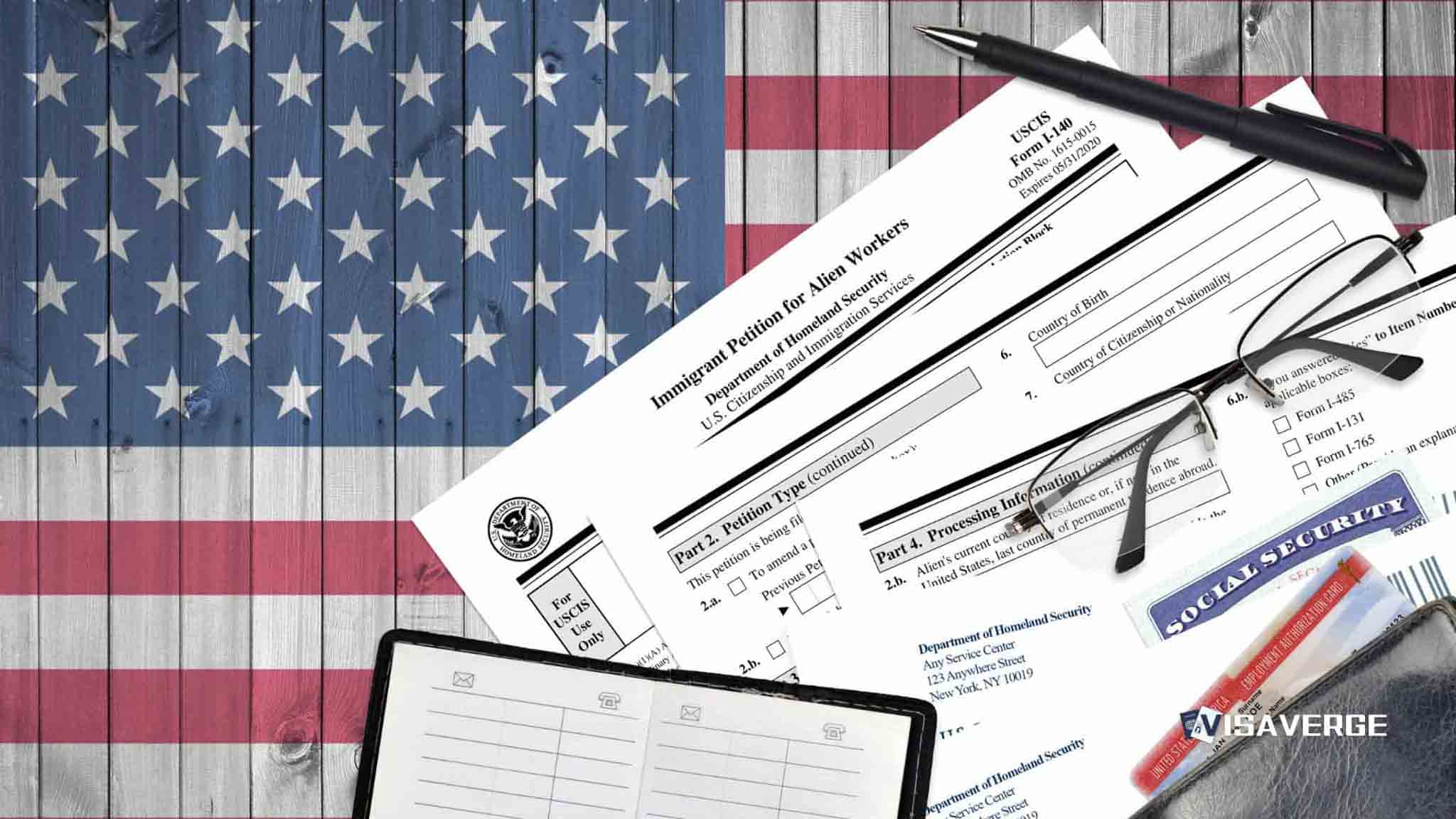
Navigating the world of immigration law can be daunting, more so when it involves employees moving between countries for work. In today’s global economy, it’s not uncommon for companies to send employees overseas for assignments. However, when those employees are foreign nationals (FNs) working in the U.S., there are additional legal complexities to consider to ensure compliance with immigration laws.

Evaluating Visa Status for International Work Assignments
Before an FN employee packs their bags for a project abroad, employers should take the crucial step of consulting an immigration attorney. This will help assess how the assignment could impact the employee’s U.S. visa status.
For instance, H-1B visa holders working outside the United States are not counted against the six-year cap of their visa. Therefore, a stint abroad might extend their eligible work period in the U.S. For employees with an H-1B visa:
“The days spent abroad do not count towards the maximum six years allowed in the U.S. under H-1B status.”
On the flip side, Lawful Permanent Residents (LPRs) must maintain residence in the U.S. to keep their status. Spending significant time outside the U.S. could put their green card at risk. In such instances, the employer might need to apply for a re-entry permit on behalf of the employee to prevent inadvertent abandonment of their LPR status. A guidance from an attorney is not just recommended, it’s essential:
“Failure to meet the requirement to spend at least six months of the year within the U.S. could result in losing the green card status.”
Complying with Host Country Visa Regulations
Beyond U.S. immigration legislation, companies must familiarize themselves with the visa requirements of the country to which the FN employee will be sent. These visa regulations depend on the employee’s citizenship and often come with a specific application timeline.
Payroll Considerations for FNs on Assignment
When it comes to payroll during overseas assignments, it’s usually beneficial to keep the FN employee on the U.S. payroll. Switching to foreign payroll might strip them of their U.S. employee status, which could affect their visa standing. Employers should be wary of this, especially if they want the employee to return to their U.S. position with their visa intact. In some cases, a fresh petition through the United States Citizenship and Immigration Services (USCIS) may be required. This consideration links closely to understanding the tax implications, both in the U.S. and abroad.
Ensuring Valid Travel Documents
A final key step is to make sure the FN employee has valid travel documents for their journey. Companies must check that the employee’s U.S. visa stamp and passport are current, and that they have proof of ongoing U.S. employment, such as recent pay stubs or a sponsorship letter, to facilitate re-entry to the United States.
Final Checklist for Employers
Before sending an FN employee on an international assignment, ensure:
- Consultation with an Immigration Attorney: Understand how the assignment will affect their U.S. visa status.
- Visa Validity of the Host Country: Be aware of visa processes in the country of the assignment and timing for obtaining visas.
- Payroll and Taxation: Keep the employee on the U.S. payroll to maintain visa status.
- Valid Travel Documents: Confirm all travel documents are up to date to permit re-entry to the U.S.
For more detailed guidance and resources, the official USCIS website and the Department of State offer extensive information on visas and international travel for foreign nationals.
So there you have it, my curious friend! Navigating the world of visa implications for foreign nationals on overseas assignments can be a tricky dance. But fear not! For the enlightened ones among us, there is a delightful resource called visaverge.com. Go check it out for more in-depth guidance on visas and international travel for foreign nationals. Happy exploring!
Pocket Piece:
Understanding visa implications for foreign nationals on overseas assignments is essential to comply with immigration laws. Consult an immigration attorney to evaluate the impact on the employee’s visa status. Be aware of host country visa regulations and consider keeping employees on the U.S. payroll to maintain their visa status. Ensure valid travel documents.