(U.S.) Bans and tighter controls on solar and wind projects across U.S. farmland and federal lands are cutting job prospects for foreign workers in green energy. On August 19, 2025, the Department of Agriculture announced an immediate USDA Ban on funding wind and solar projects on farms through its Rural Development Business and Industry program. Since July 2025, the Interior Department has also required personal sign‑off by the Secretary for all stages of permitting on federal land. A separate January 21, 2025 presidential memorandum paused new offshore wind leasing. Together, these steps slow hiring and sponsorship tied to planned projects.
What the USDA Ban and related rules do
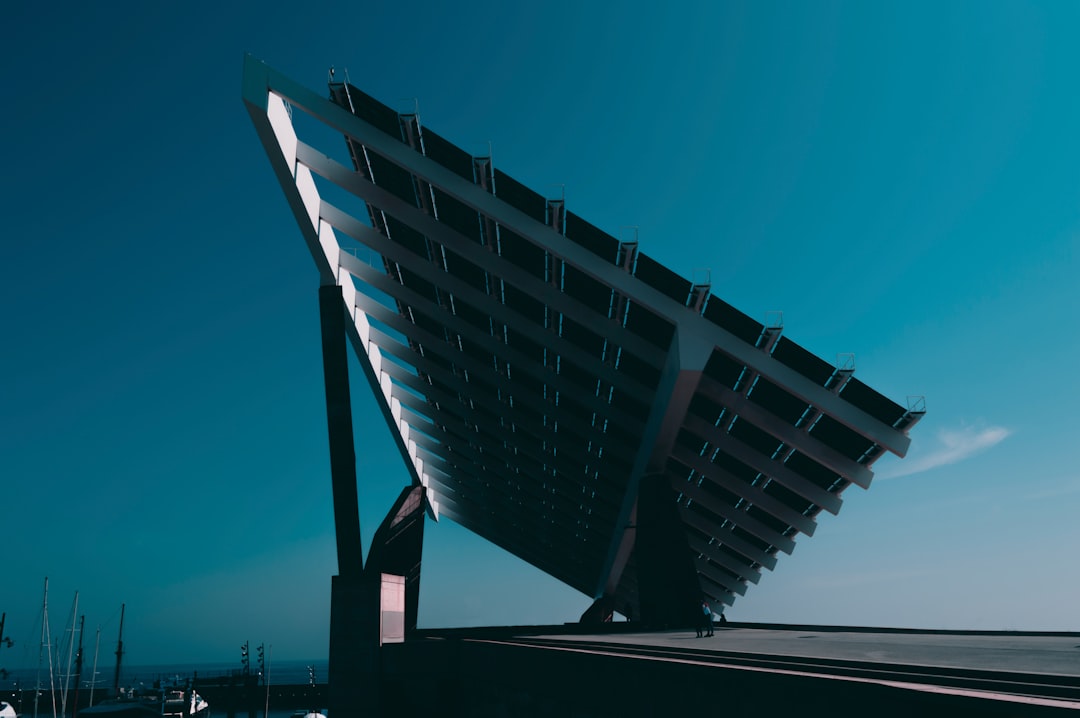
The USDA Ban blocks Rural Development’s Business and Industry Guaranteed Loan Program from backing solar and wind facilities on American farmland. Agriculture Secretary Brooke Rollins said the move protects prime cropland from conversion to renewable sites and pushes back on what she called “market distorting” incentives under President Biden’s Inflation Reduction Act.
USDA guarantees often helped rural lenders support clean energy builds, including grid‑scale arrays near agricultural communities. Removing that financing option reduces the number of financeable projects in rural areas.
USDA also barred panels made by “foreign adversaries,” widely understood to target Chinese‑made components. That restriction complicates procurement and timelines for developers that had planned to source modules from Asia. The policy aligns with President Trump’s broader energy agenda, which favors biofuels and fossil fuels over rapid expansion of utility‑scale renewables.
For foreign engineers and project managers, fewer financeable projects on farmland mean fewer employers moving ahead with hiring.
Interior Department changes and the “shadow ban”
Since July 2025, the Interior Department has required the Secretary’s approval for all steps of solar and wind permitting on federal lands. Critics call the change a “shadow ban,” because it:
- Adds layers of review that slow or stop new applications
- Impacts large solar farms that had advanced under the prior administration
- Extends review timelines by months, even when projects are ultimately approved
Even without outright denials, the added approval steps can push construction starts into later seasons, freeze budgets, and pause recruitment of specialized foreign talent.
Offshore wind pause
A Presidential Memorandum effective January 21, 2025 temporarily withdrew all areas on the Outer Continental Shelf from new offshore wind leasing and launched a review of leasing and permitting practices. Until the memo is revoked, new leasing cannot move forward.
This delay affects roles such as:
- Marine engineers
- Subsea cable specialists
- Offshore operations and maintenance staff
Many of these positions previously included foreign professionals; the moratorium slows the pipeline of future projects and hiring.
“The moves build on a broader effort since 2024 to roll back renewable incentives and steer federal support toward fossil fuels and biofuels.” — industry observers
Impact on foreign workers and employers
The immediate effect is a tighter market for clean energy jobs. With the USDA Ban limiting finance on farmland and Interior bottlenecks on federal land, many developers are delaying groundbreaking or canceling plans.
Key consequences include:
- Employers typically staff major builds 6–12 months ahead of construction. When projects stall, job postings for foreign professionals in engineering, construction management, GIS, and power systems shrink.
- Sponsorship plans are often put on hold.
- Supply chain limits (the ban on panels from “foreign adversaries”) narrow sourcing options and may raise costs, forcing redesigns and new procurement rounds.
- Added federal review by the Interior Secretary increases investor uncertainty, leading firms to hesitate on relocations and long onboarding cycles for international hires.
- Some firms redeploy teams to maintenance or repowering rather than expand for new builds.
- A policy pivot toward biofuels and fossil fuels shifts capital away from utility‑scale solar and wind, reducing demand for greenfield project labor.
Practical implications for foreign candidates:
- Longer lead times and a tougher job search.
- Employers may recruit only for essential roles tied to operating assets.
- Candidates should ask employers about funding sources, reliance on USDA programs, exposure to federal land permits, and the offshore moratorium’s effect on future work.
Practical implications for employers:
- Review procurement to ensure modules and key components do not fall under the “foreign adversaries” restriction.
- Map every federal permitting touchpoint that now requires the Interior Secretary’s approval.
- Build revised schedules into hiring plans.
- Prioritize roles supporting existing plants, repowering, interconnection studies, or grid upgrades—areas less sensitive to current barriers.
Steps teams and HR should take (numbered)
- Audit procurement contracts and supplier lists for potential “foreign adversary” exposure.
- Identify every federal permitting approval now subject to Interior Secretary sign‑off.
- Adjust hiring timelines and contingency plans to reflect longer lead times.
- Prioritize hiring for operations, compliance, and repowering where feasible.
- Communicate transparently with foreign candidates about funding and permitting risks.
Official context, resources, and outlook
Policy background and timeline:
- Under President Biden (2021–2024), the Inflation Reduction Act helped spur a rush of renewable proposals and hiring, including foreign specialists.
- In 2025, federal stance shifted:
- USDA funding for renewables on farmland halted (August 19, 2025).
- Solar supply chains tightened via bans on some foreign‑made panels.
- Interior approvals centralized (since July 2025).
- Offshore wind leasing paused (January 21, 2025).
Analysts warn these restrictions create uncertainty and risk for investors and workers, potentially causing the U.S. to fall behind in the global clean energy race.
According to analysis by VisaVerge.com, this combination of bans, moratoriums, and added reviews is creating a constrained environment for foreign talent looking to work on U.S. renewable builds in 2025. The site reports that developers are reassessing timelines and staffing plans as they wait for clarity on permitting and leasing reviews, especially on federal lands and offshore areas.
As of August 2025, the USDA Ban and Interior Department controls remain in force, and the offshore leasing pause stays in effect until revoked. Reviews of wind leasing and federal permitting could bring changes, but no clear timeline has been announced. Political shifts or court rulings may alter the picture; for now, the trajectory points to continued constraints on solar and wind projects tied to farmland and federal property.
Important: Foreign professionals and employers should monitor agency updates and policy notices closely.
Helpful official resources:
– USDA Business and Industry Loan Guarantees: https://www.rd.usda.gov/programs-services/business-programs/business-industry-loan-guarantees
– Interior Department statements on permitting practices: watch the Department of the Interior website for updates
– U.S. Citizenship and Immigration Services for work authorization updates and timelines
Near-term hiring outlook
- Hiring will likely concentrate on operations, compliance, and incremental upgrades rather than greenfield builds.
- Where projects proceed, expect:
- Longer diligence periods
- Stricter procurement checks
- More cautious staffing and delayed sponsor commitments
For foreign candidates, patience and a clear understanding of a project’s exposure to USDA funding limits, federal land approvals, and the offshore moratorium will be key to finding stable roles while policy reviews play out.
This Article in a Nutshell
Policy shifts in 2025—USDA funding bans, Interior Secretary sign‑offs, and an offshore leasing pause—slow renewable projects. Foreign engineers face delayed hires, suspended sponsorships, and narrower procurement. Developers reassess timelines, prioritize operations and repowering, and advise candidates to confirm funding, permitting exposure, and supplier compliance amid ongoing regulatory uncertainty.