(WASHINGTON, D.C.) US President Donald Trump is weighing new tariffs on Indian rice after American rice growers accused exporters from India, Vietnam, and Thailand of unfair dumping that they say is driving down prices and squeezing farm incomes across the 🇺🇸. The comments came on December 8, 2025, during a White House event where Trump announced $12 billion in new aid for American farmers and promised he would “take care” of what growers describe as a flood of cheap foreign grain.
Trump’s remarks and the White House exchange
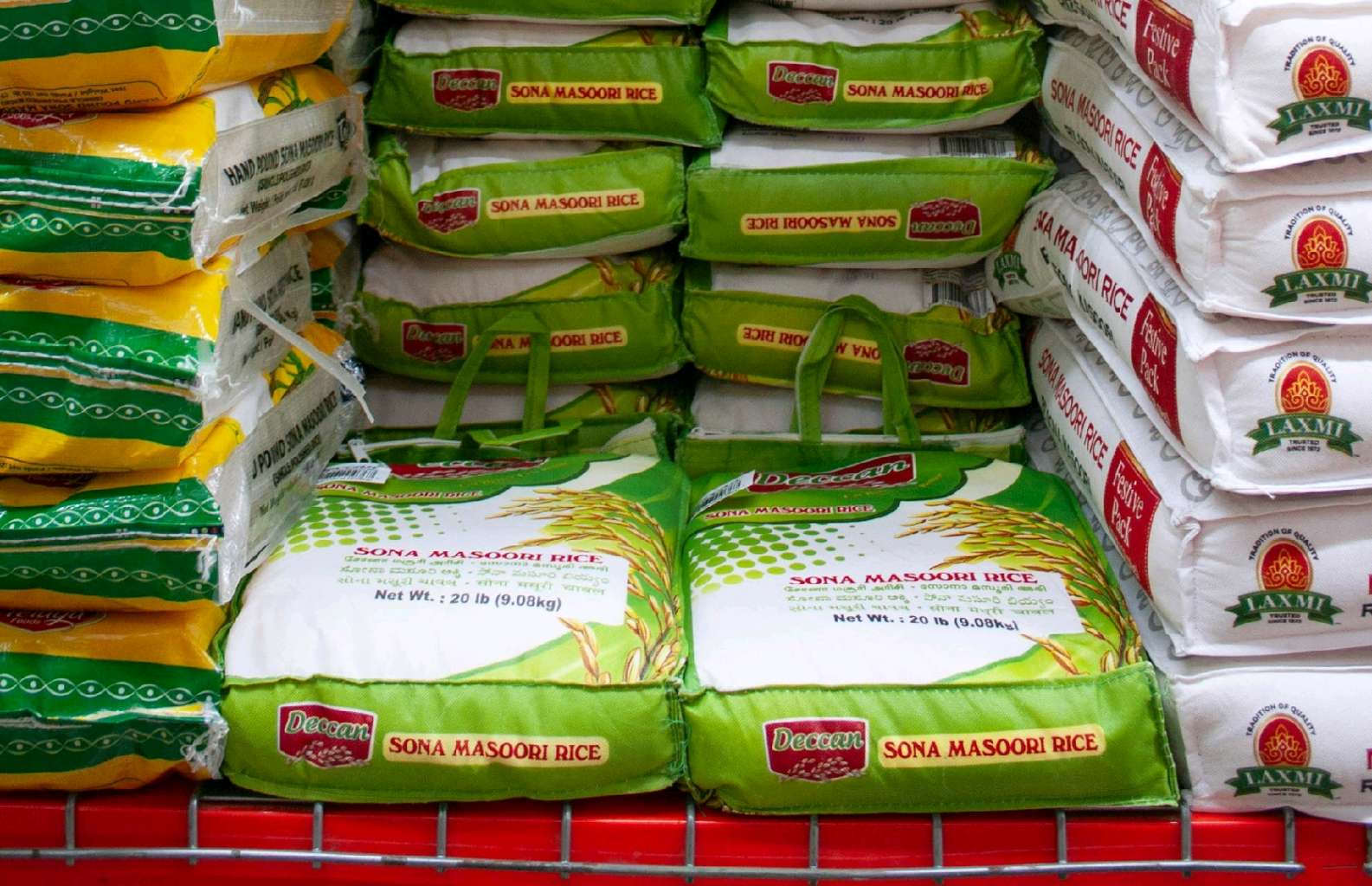
Speaking in front of farm leaders and agribusiness executives, Trump said countries “should not be dumping rice into the US market,” and pressed his advisers on why imports, particularly from 🇮🇳, continue to enter with what farmers view as unfair advantages.
He publicly questioned Treasury Secretary Scott Bessent about whether India enjoys tariff exemptions on rice, drawing attention to talks over a still-unfinished trade deal between Washington and New Delhi. Bessent replied that the 🇺🇸 is “still negotiating” with India, a sign that any new tariffs on Indian rice could be wrapped into a broader reset of trade ties.
“Countries should not be dumping rice into the US market.” — President Donald Trump
Context: recent trade measures and tensions
The tariff threat lands in an already tense trade climate. Earlier in 2025, Trump imposed 50% tariffs on a wide range of Indian goods, citing what he described as unfair trade barriers and energy purchases.
According to analysis by VisaVerge.com, those earlier measures prompted a planned US delegation visit to India for further talks, but diplomats on both sides have played down the chances of a major breakthrough. Now the focus has shifted more sharply to agriculture, where rice farmers say they are on the front line of global price pressure.
Growers’ complaints and the claim of “unfair dumping”
Growers from rice-producing states have complained for months that cheaper imports, especially from 🇮🇳, are undercutting domestic prices and piling extra pressure on a sector already hit by high fuel, fertilizer, and borrowing costs.
Farm groups argue that when foreign governments support their growers through subsidies and export incentives, it allows traders to ship rice into the US at prices that do not reflect true production costs. They label this unfair dumping, a term that in trade law refers to selling products abroad for less than they are sold at home or below cost.
Key grievances from US farmers
- Cheaper imports lowering domestic rice prices
- Added financial pressure on already high input costs (fuel, fertilizer, borrowing)
- Belief that foreign subsidies/export incentives create artificially low export prices
India’s response
India has pushed back hard on those claims. Officials in New Delhi have rejected US accusations of unfair farm subsidies and dumping, arguing that Washington is relying on outdated data and ignoring gaps in World Trade Organization rules.
Indian trade officials say WTO definitions of support and dumping are too narrow and do not fully capture the complex ways rich countries back their own farmers. They insist Indian rice exports are competitive because of lower production costs and efficiency, not hidden support schemes.
Other trade moves discussed at the event
Inside the White House event, Trump also signaled that the administration is studying fresh tariffs on Canadian fertilizer, a move that could hit 🇨🇦 exporters who currently enjoy exceptions under the North American trade agreement.
Trump told the audience he wanted to “encourage domestic production” of inputs that are vital to farmers and floated the idea of stripping away those exceptions. Farmers in the room responded with applause, though some later warned privately that higher fertilizer prices could cancel out the benefit of protection from cheap rice.
Potential economic and social impacts
Any move toward new tariffs on Indian rice would add to a growing list of trade disputes that shape the daily lives of immigrant and US-born farm workers alike.
- Many rice growers rely on seasonal labor, often including workers from Mexico and Central America who enter on temporary farm visas.
- When prices fall because of cheap imports, growers may cut planting, delay hiring, or reduce hours — hitting both rural communities and migrant workers who plan their lives around seasonal jobs.
For families in India whose relatives work in US agriculture or in food processing tied to rice, the stakes are different but no less personal. A sharp tariff hike could curb Indian exports if US buyers switch to other suppliers or to local rice. That could ripple through farming regions in 🇮🇳, where remittances from relatives in the 🇺🇸 help cover school fees, medical bills, and housing.
At the same time, if tariffs raise US rice prices at the grocery store, low-income immigrant households in American cities—many of whom rely on rice as a staple food—could see their monthly food budgets strained.
Legal and procedural paths
Trade lawyers say any formal move on unfair dumping allegations would likely involve one of two paths:
- A new investigation by the US Department of Commerce and the US International Trade Commission into dumping and injury claims.
- A political decision to raise tariffs using existing executive powers.
The administration has not yet published a formal notice, and officials have offered few technical details. A senior US trade official, speaking at the same event, said only that the administration is “reviewing all tools” to protect farmers from “market distortions.”
Political calculations
The tariff debate also plays into domestic politics. Farmers remain one of Trump’s most loyal voting blocs, and the $12 billion aid package announced at the White House event was framed as proof that the administration stands with rural America.
Trump’s public grilling of Scott Bessent over India’s tariff status appeared aimed both at pressuring New Delhi and at signaling to growers that he is personally engaged in the fight over rice prices. For many farmers, the combination of direct aid and the promise of tougher trade action offers some short-term comfort after several difficult years.
International risks and possible responses
Indian officials warn that another round of tariffs could push both countries toward broader trade conflict. They note that India could respond with its own measures on US products or turn more toward other partners.
Trade analysts point out that the United States and India already face disputes at the WTO on farm subsidies and market access, and new rice duties could deepen mistrust. The Office of the United States Trade Representative, which manages these talks, outlines current priorities with India on its official country page, including long-running arguments over agriculture and food products.
Practical consequences for markets and consumers
For now, rice exporters, importers, and farmers across three continents are watching for signs of concrete action.
- Shipping contracts are often set months in advance; sudden tariff moves can leave cargoes stranded or unprofitable.
- US importers warn that if duties rise sharply, some specialty rice varieties popular in immigrant communities might become hard to find or far more expensive, even if basic domestic rice remains available.
Outlook and timing
The administration has not set a deadline for a decision, but Trump’s forceful remarks, his promise to “take care” of the problem, and the public nature of his exchange with Bessent have raised expectations among farm groups that announcements could come within weeks.
Whether that means sweeping new tariffs on Indian rice, targeted duties based on unfair dumping claims, or a mix of measures tied to broader negotiations remains unclear. What is certain is that choices made in Washington will echo from American rice fields to Indian farming villages and to immigrant dinner tables in both countries.
President Trump signaled potential new tariffs on Indian rice after US growers accused exporters of unfair dumping that lowers domestic prices. The administration unveiled $12 billion in farm aid and is reviewing options including anti-dumping investigations by the Commerce Department and ITC or executive tariff actions. India denied the claims, citing competitive costs and outdated data. Tariff moves could raise US grocery prices, affect seasonal farm labor, and escalate US-India trade tensions.