(UNITED STATES) U.S. immigration officials have frozen all asylum decisions after a fatal shooting near the White House, a move that is already threatening the legal work authorization of hundreds of thousands of people who were counting on an Employment Authorization Document (EAD) to stay in jobs or start new ones. The USCIS Asylum Decision Freeze, announced in late November 2025, has no end date, and lawyers say it could trap more than 1 million asylum applicants in long-term uncertainty.
What the freeze does and why it was imposed
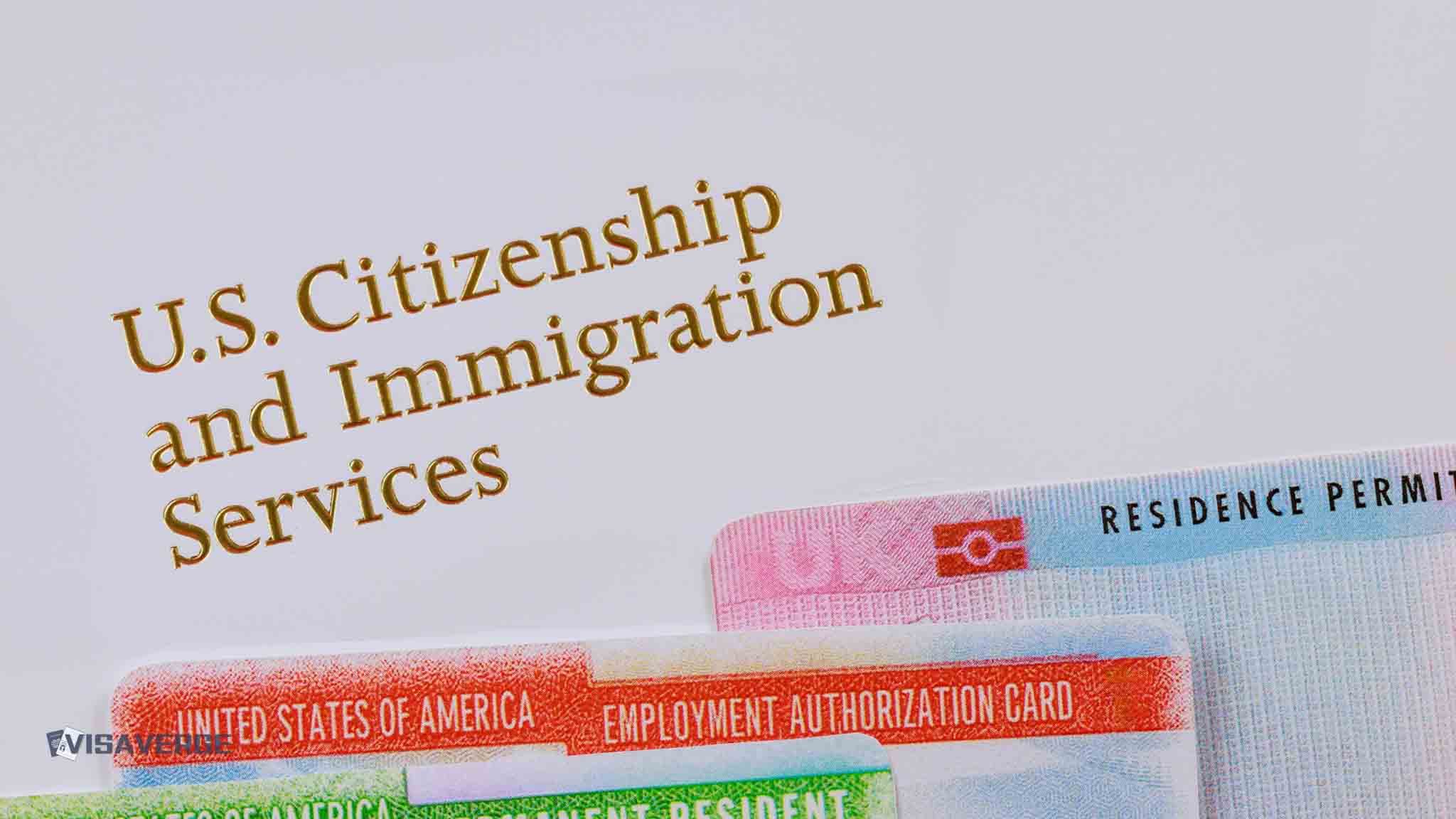
U.S. Citizenship and Immigration Services (USCIS), led by Director Joseph Edlow, has halted decisions on every affirmative asylum case it handles nationwide. The agency says processing will not restart until it is confident its vetting system is “fully secure” following the shooting and the administration’s order to re-check screening procedures.
This blanket pause affects more than final asylum approvals. It also reaches the EAD lifeline that many asylum seekers in the United States depend on to work legally and support themselves.
How EADs normally work
Under current rules:
– People who apply for asylum with USCIS can request an Employment Authorization Document (EAD) once their asylum application has been pending for more than 150 days.
– The EAD is a plastic card that proves work authorization and lets an employer complete hiring paperwork without fear of violating immigration law.
– Until now, the EAD has been one of the few ways people fleeing danger could earn a living while waiting for long-delayed asylum decisions.
Immediate effects on EAD applications and renewals
Because of the USCIS Asylum Decision Freeze, USCIS is not moving forward on new or pending EAD requests that are tied to an asylum application. Officials have not announced any exception for these cases.
Consequences include:
– People who applied for an EAD after filing for asylum may wait much longer than expected, with no timeline and no appeal option inside USCIS.
– EAD renewals tied to asylum are also not being adjudicated. If a current card expires while renewal is frozen, workers may lose the ability to prove they can legally work.
– Some employers, anxious about immigration audits, are warning employees that they will be taken off the schedule or removed from payroll if their EAD expires without a timely renewal.
USCIS has confirmed that existing, still-valid EADs remain valid until the date printed on the document. The freeze does not cancel current work authorization — the primary risk begins at renewal time.
Who is affected
The decision freeze reaches a wide group:
– Individuals with pending affirmative asylum applications at USCIS (a backlog now over 1 million cases).
– People waiting for their first EAD based on a pending asylum case.
– People whose EAD renewal applications are stuck.
– Refugees and asylees admitted or granted protection between January 20, 2021, and February 20, 2025, who may face re-interviews and status reviews under the same policy push to tighten vetting.
Human and legal impacts
Immigration attorneys and advocacy groups warn the combined effects are severe:
– Without an EAD, many asylum seekers cannot legally work, open bank accounts, or sign leases in their own name.
– Families who have been building a life in the U.S. based on a pending asylum case now face risks of job loss, eviction, and interrupted medical care.
– Lawyers say the freeze leaves people “in prolonged legal limbo, unable to work legally or plan for their future,” with no clear way to speed up their cases.
Legal challenges are expected:
– Analysis by VisaVerge.com notes the administration’s security concerns may carry weight in court, but challengers are likely to argue that an open-ended halt on decisions and EADs violates existing asylum and work rules.
– The government has signaled it expects lawsuits, and advocates are collecting testimonies from workers who lost jobs or job offers because their EAD was never issued or could not be renewed.
What USCIS is (and isn’t) doing now
- USCIS has not offered any special workaround for affected applicants.
- People may still file new asylum applications and EAD requests; USCIS is still cashing filing fees and sending receipt notices.
- However, those filings are not moving to final decisions while the freeze is in place.
- USCIS normally posts updates on processing and policy; asylum seekers and employers are urged to monitor the official USCIS asylum page for changes to the freeze or EAD handling.
Practical advice from immigration lawyers
Attorneys recommend:
1. Keep detailed records of every filing and notice from USCIS.
– Copies of asylum applications
– EAD forms
– Fee receipts
– Any written communication about case status
2. Do not work without authorization — it can harm future immigration options, even if the advice is hard to follow when families have no other income.
“If lawsuits succeed later, such paperwork could help show how long a person was blocked from work despite following all rules.”
Short-term economic and community effects
The timing of the freeze, at the start of the holiday hiring season, increases hardship:
– Many asylum seekers rely on seasonal retail, warehouse, or delivery work once they receive an EAD.
– With EAD issuance stalled, employers hire other workers and asylum applicants lose income opportunities.
– Community groups are scrambling to provide emergency support, including food drives and rent assistance, for those most affected.
Final note: security vs. consequence
While the administration defends the pause as a necessary security check after the fatal shooting, people caught in the middle say they are being punished for events they had nothing to do with. For asylum seekers who fled war zones, political crackdowns, or gang violence, legal work authorization in the United States was a central reason to apply through official channels. The USCIS Asylum Decision Freeze now undermines that promise with no clear date for relief.
USCIS has imposed an indefinite freeze on all affirmative asylum decisions after a nearby fatal shooting, halting adjudication of new and renewal EADs tied to asylum. The pause affects over one million pending asylum cases. Existing EADs remain valid until expiry, but many applicants face potential job loss, eviction, and healthcare disruption. Lawyers expect lawsuits; applicants are advised to keep records, avoid unauthorized work, monitor USCIS updates, and seek legal counsel.