- A partial shutdown restricts funding for DHS while most other agencies remain operational through mid-February.
- USCIS remains largely operational via fees, meaning most filings, biometrics, and interviews will continue normally.
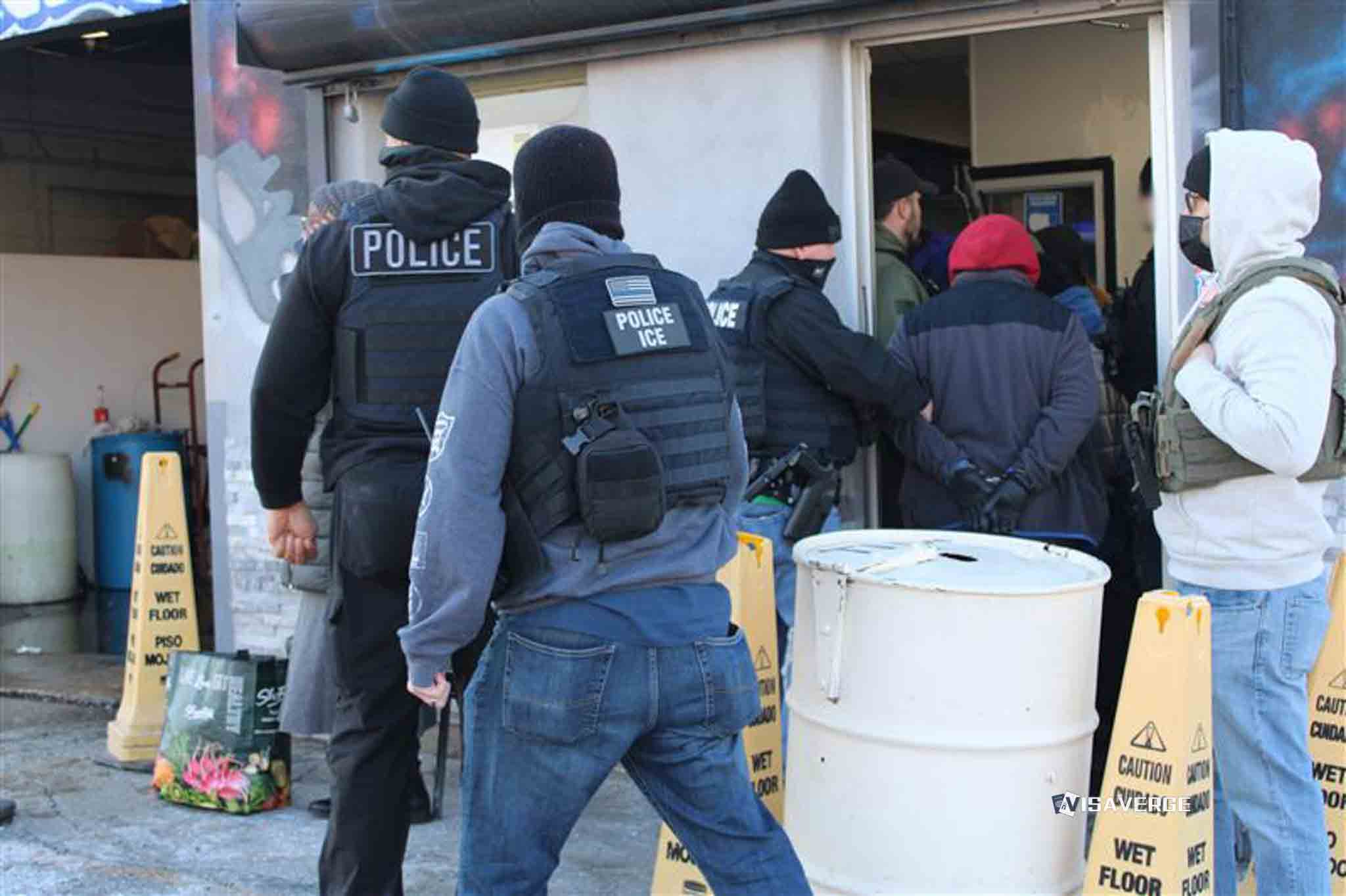
- Enforcement and border operations are considered essential functions and will continue despite the ongoing funding disputes.
A partial government shutdown does not stop “immigration” as a whole, but it can change which immigration functions keep moving, which slow down, and which pause until Congress restores funding.
As of Monday, February 2, 2026, the shutdown began at the end of the January funding window, while Congress separately extended Department of Homeland Security (DHS) funding only briefly and funded most other agencies for longer.

For immigrants, employers, and travelers, the immediate goal is practical: keep your case compliant, keep appointments, and avoid preventable status, work, or travel problems while federal operations run unevenly.
1) What a “partial government shutdown” means for immigration—and why it matters now
A “partial government shutdown” generally means some federal activities lose appropriated funding and must pause, while “excepted” functions continue.
In immigration, enforcement and border operations typically continue because they are treated as essential functions. Some benefit-related work continues because it is fee-funded.
Right now, the political pressure point is DHS funding. The Senate-approved package funds most of the federal government for the longer term, but DHS received only a short “bridge” extension.
That structure makes DHS operations—and DHS oversight conditions—a central bargaining chip in the current immigration debate involving Speaker Mike Johnson.
2) What officials are saying—and what it usually means operationally
DHS communications during shutdowns often emphasize continued enforcement activity and public safety messaging. Readers should treat those press releases as enforcement posture signals, not as a reliable proxy for USCIS case speed.
USCIS, by contrast, is primarily fee-funded and typically remains “largely operational” during shutdowns. That means many filings, biometrics, interviews, and naturalization ceremonies may continue.
Some functions can still be affected indirectly, including interagency checks, support contractors, and appropriations-dependent components.
Speaker Mike Johnson has publicly described the White House as leading negotiations and has suggested a desire to reduce the intensity of immigration sweeps.
At the same time, White House border official Tom Homan has framed “Operation Metro Surge” as an effort to make enforcement “safer” and “by the book.” Those statements matter because they foreshadow whether DHS oversight terms become part of any final funding bill.
3) How the funding “bridge” works—and what to watch for during negotiations
This shutdown scenario follows a common congressional pattern:
- The Senate passes an appropriations measure funding most agencies for months.
- DHS receives a shorter extension to force continued negotiations on DHS-specific conditions.
- The House must act under tight vote margins, which increases uncertainty for timing.
Democratic oversight demands described in current negotiations include categories that directly affect field operations: limits on masks during raids, requirements for body cameras and visible identification, constraints on roving patrol activity, and warrant rules for certain home actions.
Supporters argue these terms increase accountability. Opponents argue they limit operational flexibility.
During the bridge period, readers should watch for three things: (1) the enacted legislative text, (2) DHS operational guidance, and (3) USCIS and CBP public-facing updates. Even small text changes can alter implementation dates or exceptions.
Deadline Watch: The DHS “bridge” ends in mid-February 2026. If Congress does not act, DHS may face renewed funding gaps that can affect support functions and staffing.
4) Operation Metro Surge: separating enforcement headlines from benefits processing
Operation Metro Surge has been described by officials as a major enforcement deployment in the Minneapolis region with a high arrest tempo. Public reporting has referenced large numbers of agents and arrests, but exact figures can vary by source and may be updated.
Enforcement surges can shape immigration benefits in indirect ways. They can increase Requests for Evidence (RFEs) where identity and entry records are unclear and increase fear-based community responses that lead people to miss appointments.
Still, USCIS adjudications and ICE enforcement are distinct systems with different funding streams and workflows.
Practically, do not assume that an enforcement surge means your USCIS case will stop. Also, do not assume that “USCIS is open” means airports and land borders will feel normal.
5) The Minneapolis inflection point: incident-driven oversight and leadership changes
The present shutdown debate has been tied politically to reported fatal incidents during enforcement actions in Minneapolis, which triggered protests and intensified demands for oversight terms.
Public reporting also describes leadership shifts, including changes in who is overseeing the operation.
For immigration readers, the legal takeaway is narrower than the politics: Congress may try to write operational constraints into funding. If that happens, DHS may issue new guidance that changes field practices quickly.
That can affect the risk environment for travel, check-ins, and enforcement encounters.
6) The practical process: how to protect your immigration case during a shutdown
This step-by-step checklist is designed for immigrants, employers, and travelers trying to stay compliant while operations are uneven.
Step 1 — Identify which part of your “immigration life” is affected
Decision point: Are you dealing with (a) USCIS benefits, (b) immigration court, (c) work authorization and I-9, (d) travel and CBP, or (e) a program that needs congressional reauthorization?
Documents to gather:
- Your most recent USCIS receipt notices (Form I-797)
- Government ID and passport biographic page
- Your I-94 record, if applicable (CBP record)
- Any pending RFE/NOID notice and response deadline
Step 2 — Keep USCIS filings moving, and document proof of timely filing
Many filings remain available because USCIS is funded by application fees. Common forms include:
- Form N-400 (naturalization)
- Form I-485 (adjustment of status)
- Form I-765 (employment authorization)
- Form I-131 (advance parole)
- Form I-129 (many employment classifications)
- Form I-140 (employment-based immigrant petition)
Best practice documents:
- Delivery confirmation for any mailed filing
- Copies of every form, signature page, and check or card confirmation
- Form G-28 if you are represented by counsel
USCIS processing times may still change due to staffing limits, vendor delays, or downstream security checks.
Warning: Do not miss an RFE or NOID deadline because of “shutdown confusion.” A late response can lead to denial, even if USCIS is otherwise operating.
Step 3 — Attend biometrics, interviews, and oath ceremonies unless USCIS cancels
If USCIS is open, appointments often proceed. Confirm field office status and rescheduling rules.
Bring your appointment notice, passport or ID, and any requested originals (civil documents, court dispositions).
If you must reschedule, follow the notice instructions and keep proof of your reschedule request.
Step 4 — Employers: handle I-9 compliance if E-Verify is offline
When E-Verify is unavailable, employers must still complete Form I-9 on time. They should:
- Complete I-9 using acceptable documents from the Lists of Acceptable Documents
- Create a written memo noting E-Verify unavailability dates
- Run the E-Verify case when the system returns, if required for the employer
Common mistake: Trying to “delay I-9” until E-Verify returns. That can create compliance exposure.
Step 5 — Travelers: plan for delays and carry the right proof of status
CBP officers are generally excepted employees, but staffing and administrative slowdowns can increase wait times. Travelers should carry passport, visa (if required), and I-94 evidence.
Carry your advance parole document if traveling on parole and proof of pending extension or change, if applicable.
Decision point: If you have a pending adjustment (Form I-485), leaving the U.S. without advance parole may be treated as abandonment in many situations. Talk with counsel before travel.
Step 6 — Watch for program “lapses” that stop filings entirely
Some programs require congressional authorization and can lapse even if USCIS is open. Current examples reported include the Conrad 30 program and EB-4 Special Immigrant Religious Worker category.
A “lapse” can mean new filings are rejected or held, depending on the statute and agency guidance.
Step 7 — If enforcement risk is elevated, get individualized legal advice early
Relief and defense options are fact-specific. Potential forms of relief can include asylum (INA § 208), withholding of removal (INA § 241(b)(3)), protection under the CAT regulations (8 C.F.R. §§ 1208.16–1208.18), or cancellation of removal (INA § 240A).
Standards vary by circuit. Even in benefits cases, credibility, discretionary factors, and evidentiary sufficiency matter.
For example, discretionary adjudications often turn on documented record building. See, e.g., Matter of Dhanasar, 26 I&N Dec. 884 (AAO 2016) (articulating a structured framework for a discretionary employment-based benefit).
7) Official sources to follow for real-time updates
For authoritative updates, rely on official channels rather than social media summaries. Below are key official channels to monitor for operational notices and closures.
- DHS press and operational messaging via the DHS Newsroom
- USCIS operational posture and announcements via the USCIS Newsroom
- Appointment disruptions and closures via office closings
- Federal negotiation statements via the briefing room
Warning: Scammers often exploit shutdowns. Treat anyone promising “faster approvals” for a fee as a red flag, and verify communications in your USCIS online account.
Resources:
- AILA Lawyer Referral
- Immigration Advocates Network
⚖️ Legal Disclaimer: This article provides general information about immigration law and is not legal advice. Immigration cases are highly fact-specific, and laws vary by jurisdiction.
Consult a qualified immigration attorney for advice about your specific situation.