Securing H-2B visas in the 🇺🇸 United States for Fiscal Year 2026 starts with one core job: prove you tried to hire U.S. workers first and still have a temporary, seasonal need. If DHS releases supplemental H-2B visas for FY 2026, you use the same H-2B process—then request workers under the supplemental rules when they open.
This matters if you run a seasonal business (hospitality, landscaping, seafood processing, amusement, forestry, and similar industries) and your busy season will fail without extra staff. It also matters if you are a worker who qualifies as a returning worker or a worker from El Salvador, Guatemala, or Honduras (the “NCA” group often used in supplemental rounds).
A bipartisan group of 31 U.S. Senators, led by Sen. Mike Rounds (R-S.D.) and Sen. Angus King (I-Maine), urged DHS Secretary Kristi Noem and Labor Secretary Lori Chavez-DeRemer to release the maximum allowable supplemental H-2B visas for Fiscal Year 2026 to address seasonal workforce shortages. Employers should treat that request as a planning signal—not a shortcut. Your case still rises or falls on compliance and timing.
What “supplemental H-2B visas” means for Fiscal Year 2026
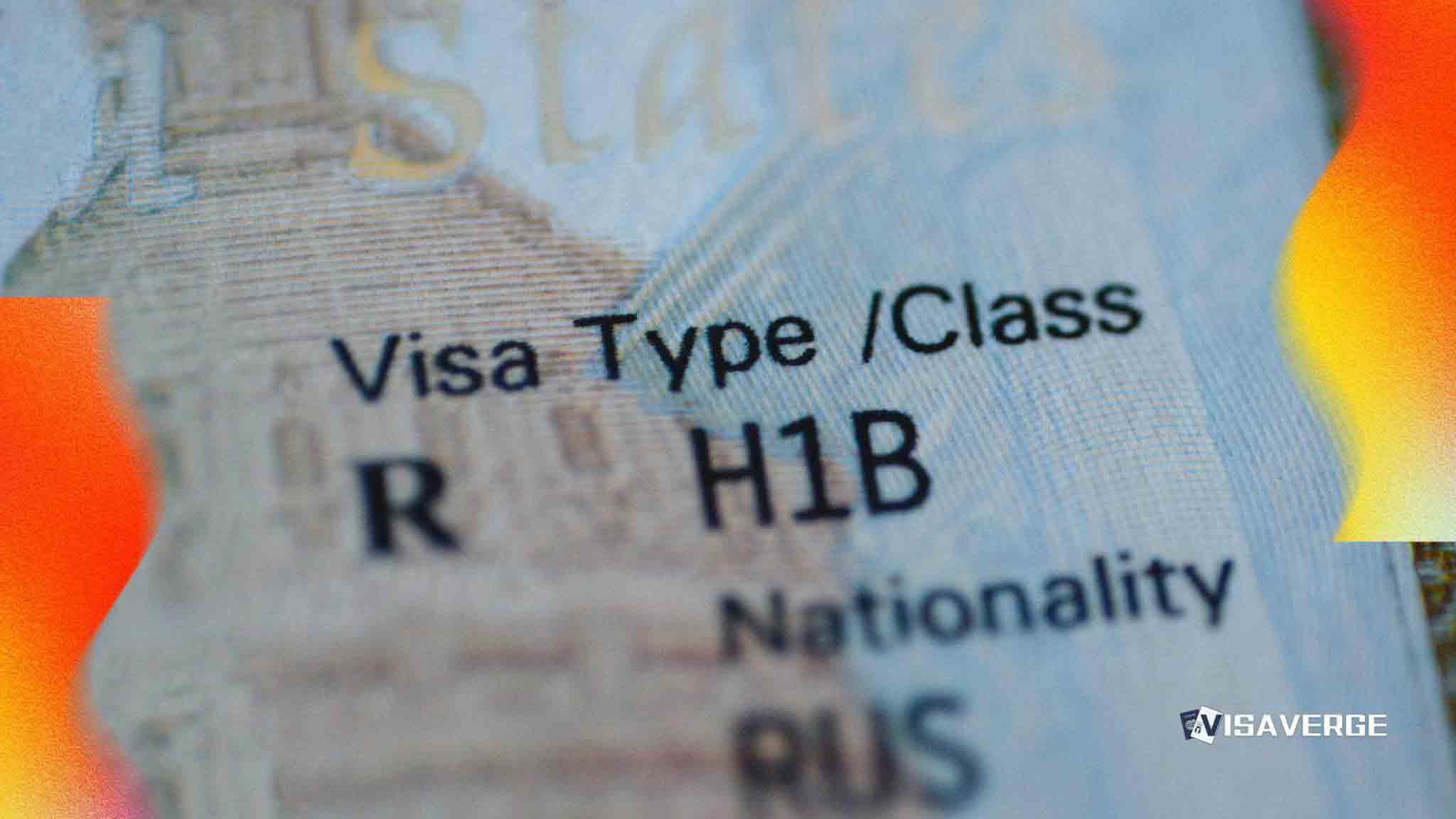
H-2B visas let you hire foreign workers for temporary, non-agricultural jobs when you cannot find enough U.S. workers. The program is capped each fiscal year, so demand often outpaces supply.
Supplemental H-2B visas are extra slots DHS can release under congressional authority when employers can show a serious need. In recent years, supplemental rounds commonly focused on:
- Returning workers (workers who previously held H-2B status and return for another season), and/or
- Workers from Northern Central American (NCA) countries: El Salvador, Guatemala, and Honduras
You should plan as if you will need to file fast if a supplemental round opens. Seasonal demand does not wait.
For the government’s overview of the program, start here: USCIS H-2B Temporary Non-Agricultural Workers.
Who qualifies: eligibility you must meet before you file
Employer eligibility: what you must prove
To hire under H-2B, you must show all of the following:
- Temporary need for the work (seasonal, peakload, intermittent, or one-time occurrence)
- Non-agricultural job duties (farm work is generally H-2A, not H-2B)
- Not enough available U.S. workers who are willing, qualified, and available
- Hiring H-2B workers will not hurt wages and working conditions of similarly employed U.S. workers
- Ability to comply with program rules on wages, recruiting, job terms, and recordkeeping
If you are aiming for a supplemental FY 2026 release, you still must meet the standard H-2B rules first.
Worker eligibility: who you can hire
A worker you hire must:
- Be qualified and able to do the job
- Be admissible to the United States (background and immigration checks apply)
- Plan to work temporarily and then depart when the job ends
If a FY 2026 supplemental round uses common restrictions, your worker may also need to be:
- A returning worker, or
- From El Salvador, Guatemala, or Honduras
Step-by-step: how to file for H-2B (and be ready for supplemental H-2B visas)
Use this process to request standard H-2B workers and to position your case for supplemental H-2B visas if they open for Fiscal Year 2026.
- Confirm your temporary need and set your season dates
- Define the exact start and end dates for your busy period.
- Write a clear job description that matches your real business need.
- Set a wage plan that meets H-2B requirements for your area and job type.
- File for a Temporary Labor Certification with the U.S. Department of Labor (DOL)
- This is the step where you show you tried to recruit U.S. workers first.
- You must follow DOL instructions closely on recruitment steps and documentation.
- If you skip a requirement, your case can fail even if your need is real.
- File the H-2B petition with USCIS after DOL certification
- Once you receive an approved labor certification, you file your petition with USCIS.
- This is where you request classification for the workers and the job period.
- If supplemental visas open, you use the same pipeline. Your timing and eligibility decide whether you can access those extra numbers.
- Have the worker apply for a visa (if needed) and travel to the United States
- If the worker is outside the U.S., they typically apply for the H-2B visa at a U.S. embassy or consulate and then seek entry at a port of entry.
- If the worker is already in the U.S. in another status, you may request a change or extension where allowed.
- Run a compliant season: pay correctly, keep records, and send workers home on time
- Your wage, hours, job duties, and worksite must match what you filed.
- At season end, the worker must depart unless you have an approved extension or change.
Documents you should gather before you start (employer checklist)
Build your file as if you will be audited later. That mindset prevents mistakes.
- Business documents
- Proof your business is real and operating (licenses, registrations, tax records)
- Worksite address list (all locations where workers will actually work)
- Prior-year staffing records that support your seasonal pattern
- Job and wage documents
- Job description with duties, minimum requirements, tools/equipment, and schedule
- Written explanation of your temporary need type and dates
- Pay plan and payroll setup for compliant wages and deductions
- Recruitment and hiring records (keep everything)
- Copies of job ads and postings
- Contact logs showing who applied and how you responded
- Interview notes and lawful job-related reasons for any rejections
- Proof you hired available U.S. workers who met requirements
- Worker-specific items (once selected)
- Full legal name, date of birth, passport details
- Prior H-2B history if you are requesting a returning worker
- Country of citizenship if you are targeting NCA eligibility (El Salvador, Guatemala, Honduras)
Fees and timeline: what you need to plan for (without guessing)
You will spend money in three main buckets:
- DOL labor certification-related costs (recruitment and compliance tasks)
- USCIS petition filing costs
- Visa and travel costs for the worker (if the worker applies abroad)
Timeline planning matters more than any single fee. H-2B hiring fails when you start late.
Here’s how to build a practical calendar for Fiscal Year 2026:
- Count backward from the date you need workers on site.
- Leave buffer time for recruitment, government review, and travel.
- Assume delays during peak filing periods and around seasonal demand surges.
If DHS releases supplemental H-2B visas, the window can move quickly. Cases that are already prepared have a real advantage.
Common mistakes that get H-2B cases delayed, denied, or investigated
Avoid these pitfalls — they are the most common reasons for denials, delays, and investigations.
Don’t treat supplemental H-2B as a shortcut. A weak recruitment file or mismatched duties can trigger denials or audits, and rushing filings during peak periods often causes costly delays.
- Treating “supplemental” like a separate program
- Supplemental H-2B visas do not replace the normal process. A weak DOL recruitment file will not be saved by extra numbers.
- Using a job description that does not match reality
- If you claim a seasonal need but actually require year-round labor, you risk denial and compliance problems.
- Sloppy recruitment records
- Missing screenshots, missing copies of ads, or incomplete applicant logs can sink an otherwise valid case.
- Underpaying or misclassifying workers
- Pay issues can lead to back wages, penalties, debarment, and lawsuits. Run a clean program to avoid exploitation risks.
- Assuming “returning worker” is automatic
- Even in returning-worker focused rounds, you must prove the worker meets the returnee criteria; keep prior approvals and travel history organized.
- Ignoring the “must return home” reality
- H-2B is temporary. The worker is expected to depart after the season and reapply legally for future seasons.
Next steps: how to prepare now for H-2B and possible FY 2026 supplemental releases
- Lock your season plan and hiring numbers this week. Your start date drives everything.
- Build a recruitment file template (ads, applicant log, interview notes, rejection reasons) so every location follows the same system.
- Identify your worker pool early, including any returning workers and any candidates from El Salvador, Guatemala, or Honduras if those carve-outs apply.
- Review your payroll and housing/transport practices against H-2B requirements before you file, not after you receive questions.
- Pick one person to own compliance (internal lead or counsel) and require written checklists for every step.
If you want more plain-English immigration guides like this, you can also visit VisaVerge.com.
U.S. Senators are pushing for the maximum release of supplemental H-2B visas for Fiscal Year 2026 to support seasonal industries facing workforce shortages. Employers must demonstrate a temporary need and prove recruitment efforts for domestic workers. These additional visas typically prioritize returning workers and citizens from Northern Central American countries. Early preparation and strict adherence to filing procedures are vital for success.