
- The IFHP provides essential medical coverage for non-citizens awaiting provincial health eligibility or immigration decisions.
- Rising costs and processing delays have sparked a partisan fiscal debate regarding program sustainability.
- Beneficiaries must carefully document eligibility to maintain coverage during status transitions or claim refusals.
(OTTAWA, CANADA) — The most immediate “defense strategy” for people caught in Canada’s Interim Federal Health Program (IFHP) debate is to preserve lawful eligibility for interim coverage while an immigration matter is still active, and to document medical need early in case benefits narrow for certain categories, including rejected asylum claimants.
IFHP is not an immigration status by itself. It is a federal health-coverage backstop that typically applies to specific non‑citizens who are not yet eligible for provincial or territorial plans, or who are in transition between systems. In practice, the program is closely associated with asylum seekers and certain other eligible groups, because claimants may have urgent medical needs while their files are processed. The policy flashpoint is that the same interim framework can also touch people whose claims have been refused, depending on category and the current rules. That intersection—immigration process plus health coverage—has pushed IFHP into partisan debate about both fiscal sustainability and access to basic care.
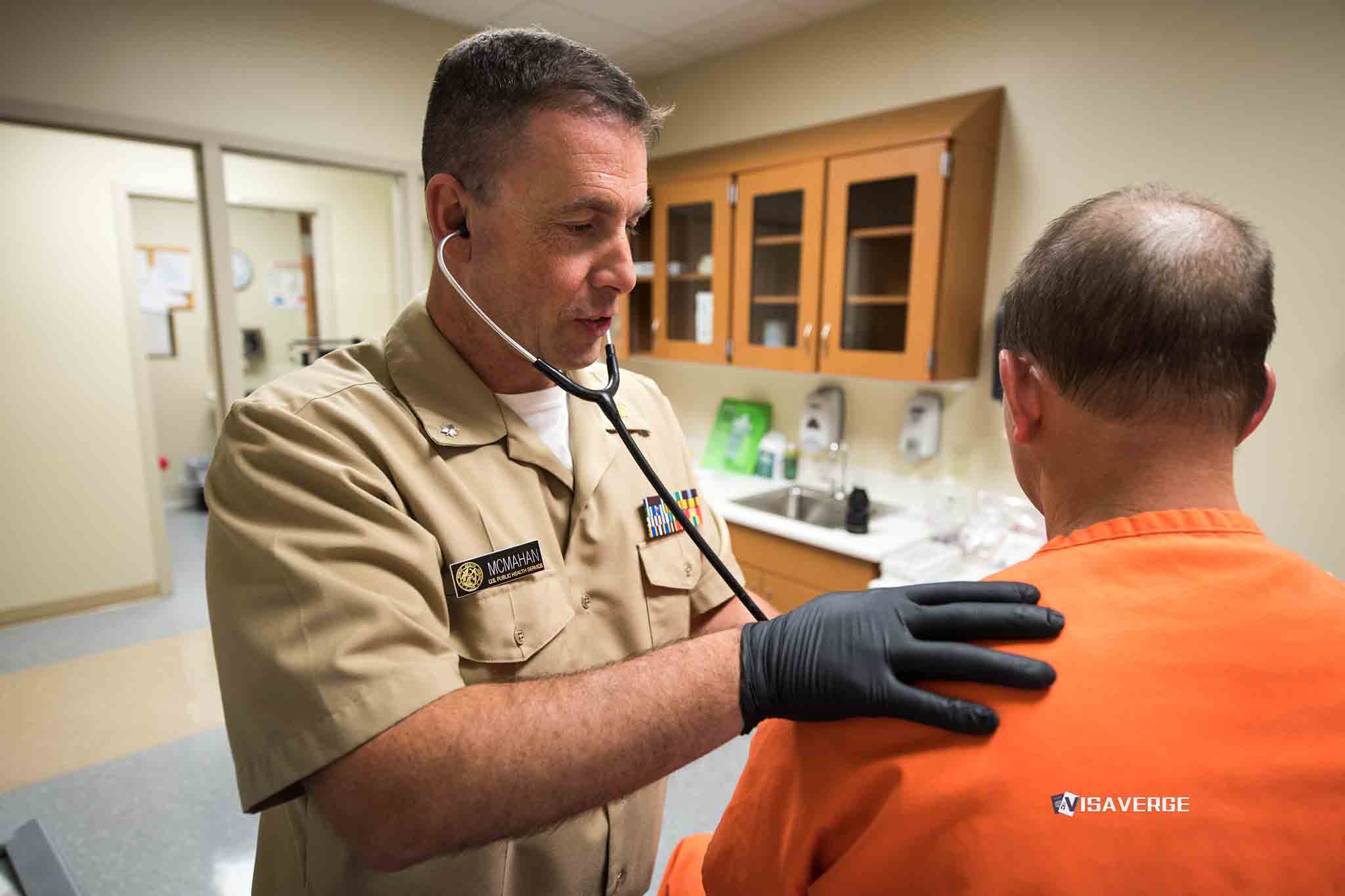
Warning: IFHP eligibility can change with status changes, missed immigration deadlines, or new policy directives. Confirm coverage before non‑urgent treatment when possible, and keep written proof of your category and dates.
1) Overview: what IFHP is, who it covers, and why it’s controversial now
At a plain-language level, IFHP helps pay for certain medically necessary services for eligible non‑citizens who are not yet covered by a provincial plan. The stated purpose is public health and humanitarian continuity. It can reduce pressure on emergency rooms by allowing basic care and prescribed treatment when coverage would otherwise be absent.
The current political dispute is not only about “cost.” It is also about capacity. Critics argue that rapid growth in claim volumes and long processing times put pressure on provider networks and hospital systems. Supporters counter that denying care shifts costs to emergencies and worsens health outcomes.
For individuals and counsel, the practical point is that IFHP is status-dependent. People should treat IFHP like a benefit that follows a legal category. When the category changes, coverage may change quickly.
Official reference: Government of Canada IFHP information is posted at canada.ca (search “Interim Federal Health Program”).
2) Parliamentary Budget Officer projections: what they are, and what drives them
The Parliamentary Budget Officer (PBO) is Parliament’s independent fiscal analysis office. A PBO projection is a forecast built on assumptions. It is not an audited expenditure total, and it is not a “bill” Parliament has passed.
In the current debate, the PBO projection is being cited to argue that annual IFHP spending is expected to rise sharply over a multi‑year horizon. The public discussion highlights a key mechanics point: duration matters. If asylum intake rises, and processing delays grow, people may remain in an interim category longer. Longer time in-category can translate into more months of eligible claims. That “duration-of-coverage effect” can increase program totals even if per-person use stays steady.
Readers should also weigh uncertainty. Projections can shift with intake levels, processing speed, policy design, and administrative choices. Faster adjudications can reduce time on interim coverage, but could also increase the number of people moving into post-decision categories. Those categories may have different benefit scope.
PBO information is available at the Parliamentary Budget Officer website.
Deadline: Immigration filing deadlines can indirectly affect IFHP continuity. Late filings, missed interviews, or missed document requests can accelerate loss of the category that supports coverage.
3) Scope of benefits for rejected asylum claimants: why “supplemental benefits” and billing rules matter
A central controversy is whether, and to what extent, rejected asylum claimants may receive broader coverage than the public expects. Much of the rhetoric focuses on “supplemental benefits.” In practical terms, “supplemental” means services beyond baseline physician and hospital care.
Examples often cited include vision care, physiotherapy, home care, and speech therapy. These services are debated because they can be high-volume, recurring, or difficult to define as “urgent,” depending on the case. Supporters stress medical necessity and continuity, especially for children or chronic conditions. Critics question whether limited public resources should fund non‑emergency services after refusal decisions.
Billing practices are another friction point. Provider reimbursement rules can differ from provincial billing schedules, depending on IFHP program terms and provider participation. That can shape public perceptions about cost growth, even if the patient’s clinical need is straightforward.
For claimants and counsel, the defense strategy here is administrative and evidentiary:
- Verify the exact IFHP category tied to the person’s current immigration posture.
- Confirm which benefits apply before treatment when feasible.
- Ask providers for itemized estimates and billing codes when possible.
- Maintain a medical continuity file showing diagnosis, clinical risk, and consequences of interruption.
Those records may matter if benefits are narrowed, or if a person must seek charitable care, provincial exceptions, or litigation-driven interim measures.
Warning: Do not assume a refused claim ends every benefit immediately. Also do not assume coverage continues. The answer often depends on category, dates, and current policy.
4) Political responses and proposed reforms: what would change operationally
Reform proposals in circulation generally fall into three operational buckets.
First are proposals to limit federal coverage for certain ineligible or refused categories to emergency-only care. “Emergency-only” usually means treatment for conditions that threaten life or limb, or that require immediate stabilization. It generally does not include routine outpatient care or non‑urgent therapies. In real life, emergency-only rules can shift costs to hospitals and delay preventive treatment.
Second are proposals to align immigration levels with capacity indicators, such as jobs, housing, and healthcare staffing. This is a framework concept rather than a single legal rule. If adopted, it could affect intake targets, resourcing, and processing speed. Those changes can flow into IFHP indirectly by changing the number of people eligible and the average time on coverage.
Third are proposals focused on program administration. These can include tighter documentation rules for providers, clearer eligibility verification steps, and closer audits of billing practices. Even without legislative change, administrative tightening can create access barriers, delays in reimbursement, or confusion about what paperwork is required at the point of service.
From a defense-strategy standpoint, people who may be affected should plan for documentation friction. That means carrying current immigration documents, retaining IFHP letters, and keeping contact logs with insurers, clinics, and settlement agencies.
5) International context: U.S. noncitizen healthcare access (and a limited UK note)
There is no direct U.S. federal program equivalent to IFHP as described in Canadian materials. The U.S. system is fragmented across federal restrictions, state choices, and safety-net providers.
At a high level, many undocumented people and many people with pending asylum matters face federal limits on Medicaid, CHIP, Medicare, and Affordable Care Act marketplace subsidies. Some coverage depends on state-funded expansions or locally funded programs. Many communities rely on safety-net systems, including Federally Qualified Health Centers, which provide sliding-scale care regardless of immigration status in many settings.
For readers comparing asylum processes, note that U.S. asylum is governed by INA § 208, and implementing regulations include 8 C.F.R. § 208.13. Those provisions address protection eligibility, not health coverage. Health eligibility questions usually turn on separate federal and state benefit rules, plus emergency Medicaid rules in some states.
A U.S. congressional overview of noncitizen eligibility is often summarized in Congressional Research Service products.
A brief UK immigration comparison is also imperfect. The UK’s NHS structure differs from Canada’s provincial plans, and asylum support rules are distinct from North American models. People should not assume a Canadian IFHP debate predicts UK access outcomes. In cross-border family situations, counsel should check the specific country’s eligibility rules and current guidance.
6) What to watch next, and how to interpret the recurring metrics
Going forward, the recurring metrics in the IFHP argument will be: projected annual cost growth over a defined horizon, healthcare capacity context, and provider reimbursement concerns. Readers should treat projections as forward-looking models, and distinguish them from audited spending after the fact. Both can inform policy, but they answer different questions.
Two reference types dominate this discussion. First is the PBO projection, which is used to frame fiscal risk under stated assumptions. Second are comparative discussions of U.S. eligibility restrictions, often used to show that “interim coverage” is not a universal model.
For affected individuals, the most important developments to track are: (1) any formal government review or probe outcomes, (2) eligibility rule changes that narrow categories or benefit scope, and (3) administrative steps that reduce processing delays, because reduced delays can shorten time on interim coverage.
Practical defense checklist for people at risk of losing coverage
- Keep proof of status category, dates, and any pending filings.
- Request and retain written benefit confirmations when possible.
- Build a concise medical packet: diagnosis, current meds, treating clinician notes, and risks of interruption.
- If your claim was refused, speak to counsel promptly about remaining options and timelines.
Attorney representation is critical in complex cases, especially when a refused claim intersects with medical vulnerability. A qualified immigration lawyer can assess post-decision options, deadlines, and whether any interim measures are realistic under current law and policy. Outcomes vary sharply by facts, procedure, and jurisdiction.
⚖️ Legal Disclaimer: This article provides general information about immigration law and is not legal advice. Consult a qualified immigration attorney for advice about your specific situation.
Resources:
- AILA Lawyer Referral
Government references:
- Government of Canada — IFHP (posted at canada.ca)
- Parliamentary Budget Officer (posted at the Parliamentary Budget Officer website)
- CRS Reports (U.S.) (posted at the Congressional Research Service reports portal)